Potato Granules FAQ
Common questions from Potato Granules buyers, R&D teams and foodservice customers
These questions cover high-intent topics that should be clarified before a sample trial or commercial order. For any parameter that affects acceptance, request the current grade-specific TDS and confirm the test method in the signed specification. When preparing an RFQ, include whether the request is for a bulk order, commercial or industrial use, import, distribution, wholesale, food manufacturing or another large-scale programme. Ask for the product specification, quality requirements, technical specification, sample and quotation, TDS and COA, packaging, import or export requirements, shipping requirements, quality control, quality inspection and the supplier's approach to batch consistency. That information is more useful than a search for the lowest nominal price alone.
What are Potato Granules?
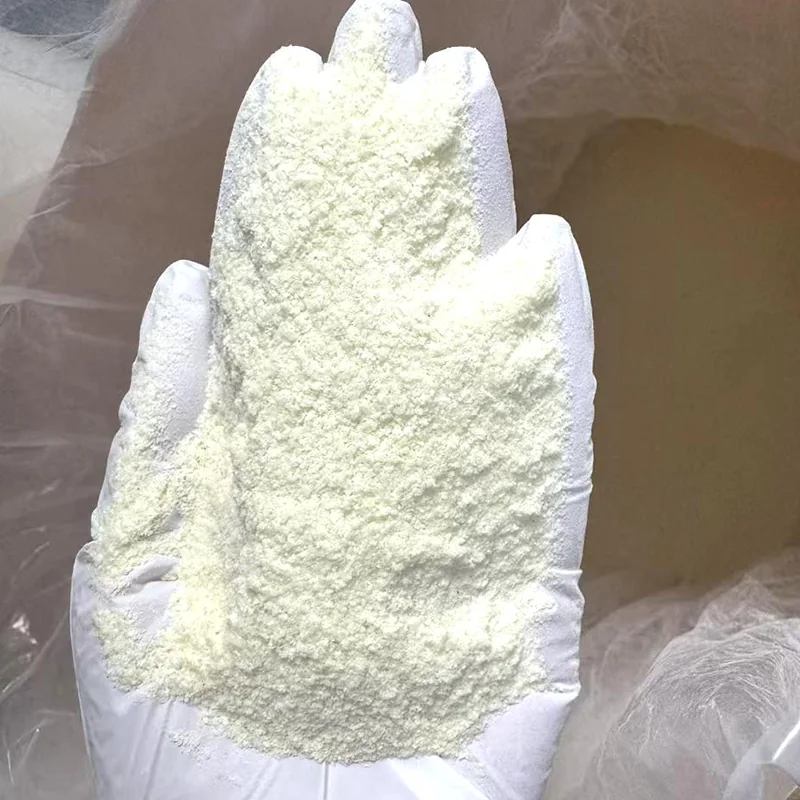
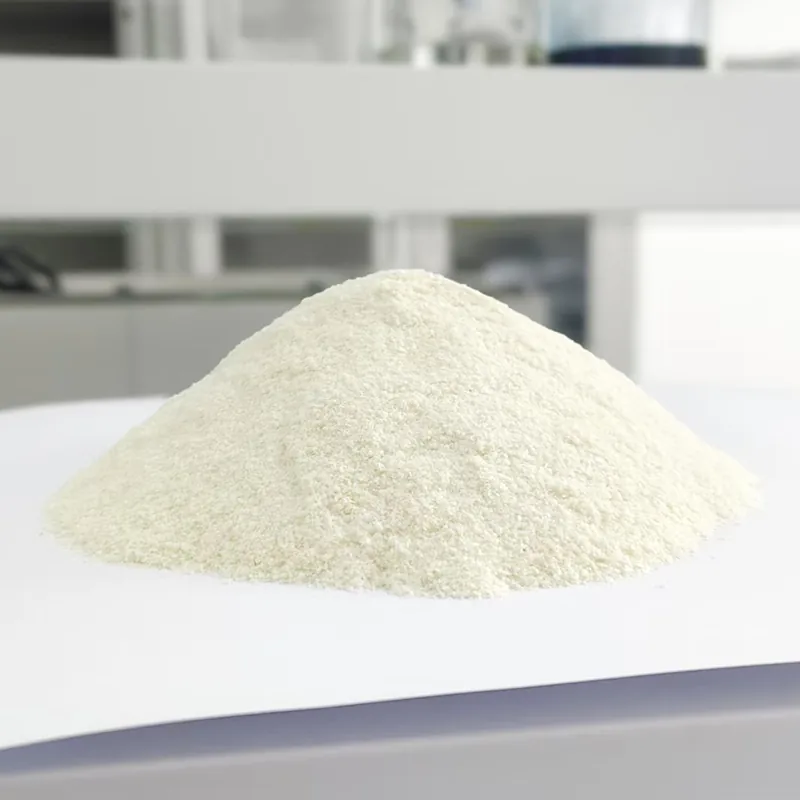
Potato Granules are fine dehydrated potato solids used in instant mashed potatoes, foodservice, dry mixes and selected prepared-food systems. They are generally chosen for dense dry handling, controlled rehydration and lower free-starch behavior compared with many flake-based systems.
What is the difference between Potato Granules and Potato Flakes?
Granules are finer and much denser, with a current bulk-density reference around 580 g/L versus about 220–250 g/L for flakes. Granules usually provide more controlled hydration and lower stickiness, while flakes generally hydrate faster and can build more cohesive body. Test both in your actual recipe before substitution.
Are Potato Granules suitable for instant mashed potatoes?
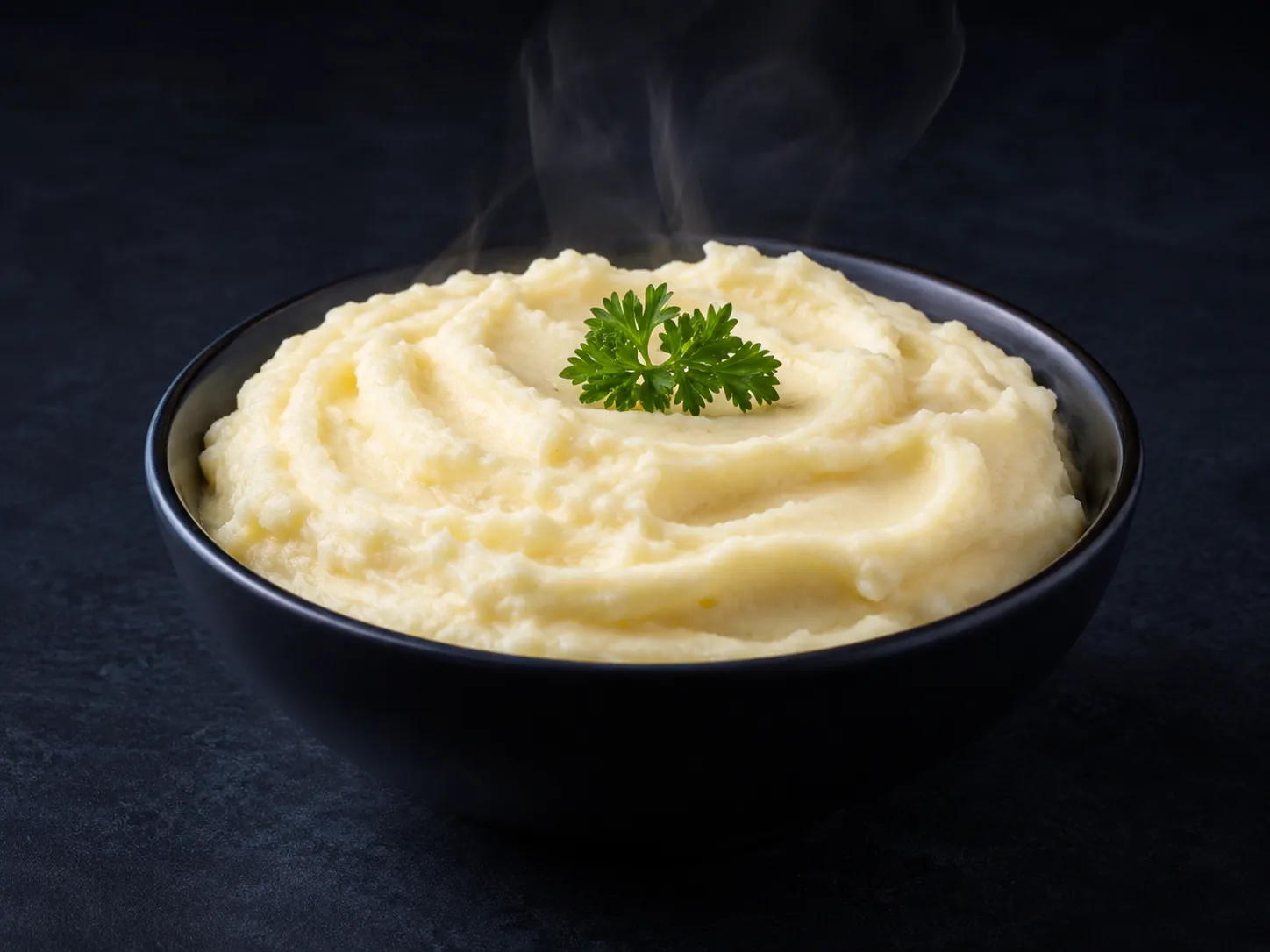
Yes. Instant mash is one of the key applications. Buyers should evaluate water ratio, water temperature, mixing, wet-out, lumps, smoothness, grain perception, prepared yield, flavor and holding texture under the intended preparation instructions.
Why is low free soluble starch important?
Lower free starch can help reduce excessive viscosity, gumminess and stickiness when the product is hydrated or mixed. It is not the only quality indicator, so it should be evaluated together with texture, hydration, flavor and the actual preparation process.
What does 40–60 mesh mean for Potato Granules?
It is a particle-size reference based on sieve range. The practical effect can include dry flow, wet-out, dispersion and texture. Ask how the particle distribution is measured and test the commercial grade if your dosing or mouthfeel requirements are sensitive to particle profile.
Why is Potato Granules bulk density important?
Bulk density affects bag fill, storage space, hopper behavior, volumetric dosing and recipe conversion. Because granules are much denser than flakes, the same visual volume contains more mass. Plants should convert by weight and recalibrate volumetric equipment when changing ingredient form.
Can Potato Granules replace Potato Flakes 1:1?
Not automatically. The two formats differ in density, hydration, free-starch behavior, viscosity and texture. Run side-by-side trials using the same formula and preparation conditions before approving any substitution ratio.
Can Potato Granules and Potato Flakes be blended together?
Yes, some formulations use both to balance faster hydration and body from flakes with controlled hydration and lower stickiness from granules. The correct ratio is application-specific and should be developed through controlled trials rather than copied from a generic formula.
Can you customize Potato Granules specifications under OEM or ODM?
For qualified projects, particle profile, bulk density direction, hydration, free-starch or texture targets and packaging can be discussed within technical feasibility, production capability, MOQ and agreed test methods. Final requirements must be fixed in the signed commercial specification.
What should I include in a Potato Granules RFQ?
Include application, preparation method, critical specification, trial or annual quantity, packaging, destination port, requested trade term and required documents. A benchmark product or target prepared texture makes grade selection more efficient.
Should I request a sample before a bulk order?
Yes. Use a representative sample and a written preparation or factory-trial protocol. Review the current TDS and available certifications, then lock approved parameters into the commercial specification before the first bulk shipment.
What documents should a Potato Granules supplier provide?
Typical qualification documents include the current TDS, batch COA route, ingredient or safety information and applicable certification documents. Exact requirements depend on the grade, customer audit and destination market.