Food Grade Potato Flakes Manufacturer & Bulk Supplier

Food Grade Potato Flakes for Industrial Food Manufacturing

Source bulk Potato Flakes with the specification, sample support and application guidance needed for fabricated potato chips, instant mashed potatoes, snacks, bakery, frozen prepared foods and savory formulations. We help buyers move beyond a generic product name by comparing reducing sugar, particle size, moisture, bulk density, hydration and finished-product performance before commercial approval.

If you are comparing a potato flakes manufacturer in China, a bulk potato flakes supplier or a low reducing sugar potato flakes grade for fried snacks, send us the food you manufacture, your critical specification, trial or annual volume and destination port. We can then discuss the grade, TDS, sample route, OEM/ODM feasibility and commercial supply plan that fits your project.

Potato Flakes ManufacturerFood Grade Potato FlakesBulk Potato Flakes SupplierPotato Flakes for Fabricated ChipsInstant Mashed Potato FlakesOEM / ODM Customization
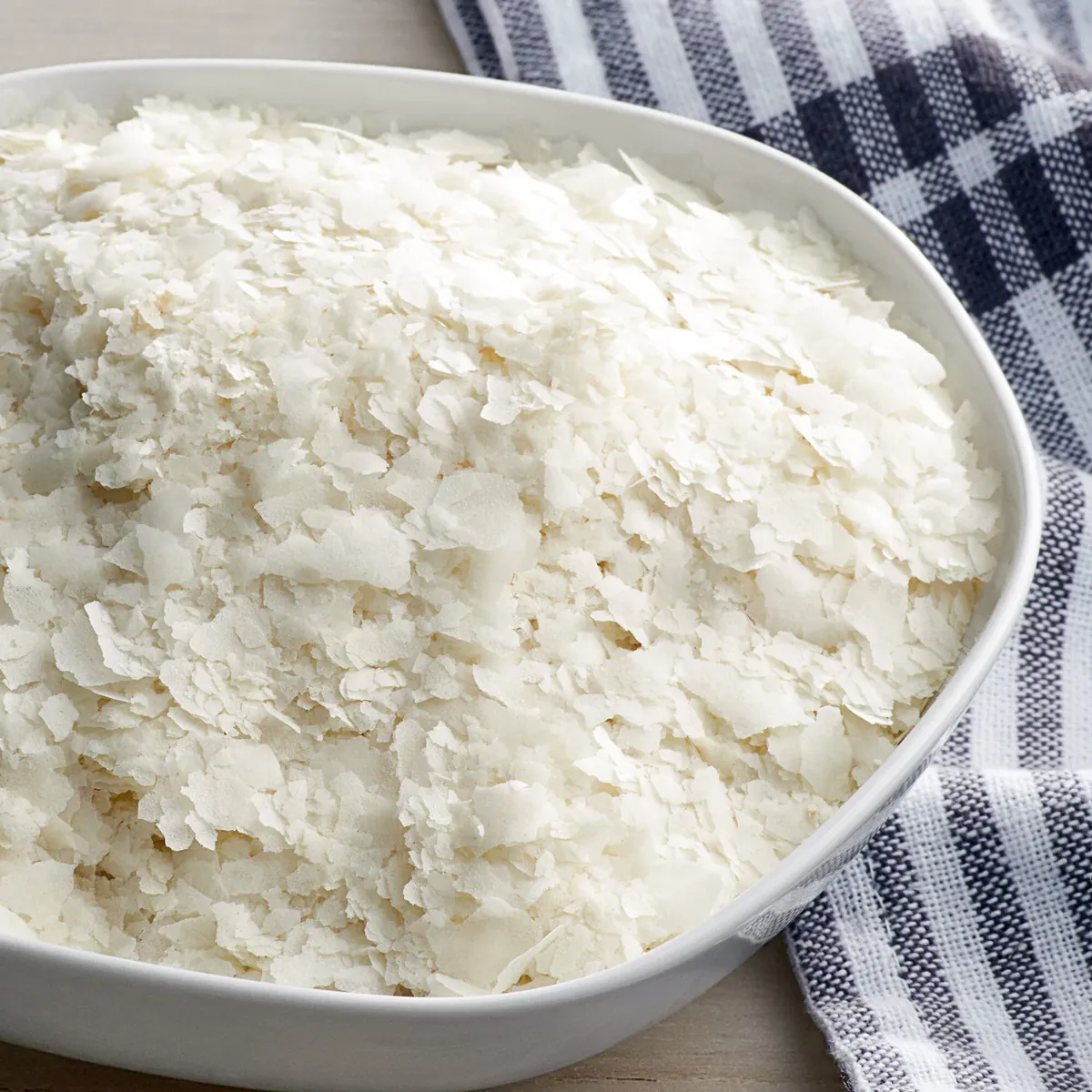
Food-grade potato flakes close-up for instant mashed potatoes and fabricated potato chips

Start With Your Finished Product

Choose Potato Flakes by what your production line needs to achieve

The same dehydrated potato flakes grade will not perform identically in every recipe. A fabricated-chip line may care most about reducing sugar, frying color, dough sheetability and breakage, while an instant-mash buyer may care more about hydration ratio, smoothness, potato flavor and holding stability. Start the discussion from your finished product and process rather than from price per ton alone.

01

For fabricated potato chips and formed snacks

Begin with an application-tested Potato Flakes grade and define the frying result you need. Compare reducing sugar, moisture, particle profile, hydration and dough handling under the same recipe and line settings, then record frying color, blistering, oil uptake, breakage and seasoning adhesion. A low reducing sugar potato flakes target can be important for color control, but the finished-chip trial remains the decisive check.

See fabricated-chip application guide →
02

For instant mashed potatoes and foodservice

Compare how quickly the flakes wet out, the water ratio required, the amount of mixing needed and the texture after preparation and holding. Instant mashed potato flakes should deliver the style of mash your customer expects without excessive lumping, gumminess or flavor loss. Portion consistency and prepared yield can matter as much as the dry ingredient price.

See instant-mash application guide →
03

For bakery, snacks and prepared foods

In bakery, croquettes, extruded snacks, soups, sauces and frozen prepared foods, Potato Flakes can contribute potato solids, water absorption, body, binding and characteristic potato flavor. The correct grade and usage level depend on the full formulation, water availability, mixing, heat and target texture, so we recommend a controlled trial before locking the commercial specification.

Browse all applications →

What Are Potato Flakes?

Dehydrated cooked potato solids designed for rapid rehydration and versatile formulation use

Potato Flakes are produced from cooked potato solids that are mashed and dried into a thin flake structure. The resulting ingredient is easier to store, transport and dose than fresh potato while retaining potato solids and functional hydration behavior for industrial food production.

For a food manufacturer, the important question is not only how Potato Flakes are made but how the selected grade behaves when water, salt, starch, fat, protein, heat, shear and frying are introduced. Particle structure and processing history influence hydration speed, free-starch behavior, dough feel and finished-product texture. That is why two products sold under the same broad name can still perform differently on your line.

When you qualify a bulk Potato Flakes supplier, compare a representative sample using the same formulation and test method you will use commercially. Analytical data such as moisture, bulk density and reducing sugar should be reviewed together with prepared yield, color, texture, flavor, handling and batch consistency. The goal is a usable commercial specification, not simply a product that looks similar in the bag.

Current Purchasing References

Typical Potato Flakes specifications to discuss before ordering

The values below are current website references for selected food-grade Potato Flakes and are intended to guide an RFQ or sample discussion. Final limits, methods, tolerances, microbiological requirements and certificate scope must be confirmed for the exact commercial grade in the signed specification and batch COA.

Product formDehydrated Potato FlakesConfirm flake appearance and agreed grade
Particle size20–40 mesh referenceAlternative particle profiles may be discussed by grade
Moisture6–8% referenceConfirm method and tolerance in specification
Bulk densityApprox. 220–250 g/LImportant for package fill, dosing and recipe conversion
Reducing sugarApplication-specificSelected frying-grade reference ≤1.5%; validate frying color on line
Hydration / water absorptionApplication-dependentEvaluate with your actual water, mixing and formulation
Packaging25 kg export bagOther OEM / private-label formats for Potato Flakes may be reviewed according to bag material, labeling and order plan.
HS code1105200000Confirm the import classification for dehydrated potato flakes with the destination customs adviser.

Specification notice: website values are not a substitute for the current TDS, agreed test method, signed specification or batch COA. If one parameter materially affects your finished product, include that parameter and acceptance method in the commercial specification before the first bulk order.

Technical Parameters That Affect Your Finished Product

Do not compare Potato Flakes by one number alone

A purchasing specification becomes useful when each parameter is linked to a real production risk. The following points explain why common Potato Flakes measurements matter to snack, mash and formulated-food buyers and how they should be validated during a sample trial. Technical review may cover particle or mesh size, moisture content, bulk density, color, flavor, odor, microbiological specification, shelf life, storage conditions, food safety, traceability, reducing sugar, low-reducing-sugar specification, rehydration, water absorption, flake thickness, frying color, baking color, dough binding, oil absorption and final texture. Halal and FSSC 22000 evidence should be checked against current certificate scope; Kosher status, if required by the market, should be requested and verified separately rather than assumed.

01

Reducing sugar and frying color

Reducing sugar is especially important when Potato Flakes are used in fabricated potato chips or other fried snacks because it contributes to browning during frying. A lower target can support lighter, more controllable color, but oil temperature, residence time, moisture, dough thickness and the rest of the formula also affect the result. For snack projects, agree the analytical method and then confirm the acceptable color window on the actual line.

02

Particle size and dough behavior

Particle size influences dispersion, hydration speed, surface area and how the flakes interact with starch and other dry ingredients. A finer or broader particle profile can change mixing, dough smoothness and handling even when the basic ingredient name is unchanged. If your line has strict sheeting, forming or dosing requirements, include particle profile in the sample comparison rather than relying only on visual inspection.

03

Moisture and storage consistency

Moisture affects dry-solids calculation, storage stability, package weight efficiency and the way the ingredient hydrates. When comparing suppliers, use the same test method and understand whether the result is reported on the same basis. Stable moisture from batch to batch helps procurement and production teams reduce unexpected changes in water addition and finished-product texture.

04

Bulk density and plant handling

Bulk density changes how much space the ingredient occupies in bags, silos, hoppers and volumetric dosing systems. Potato Flakes are less dense than Potato Granules, so a change of ingredient form can affect storage, dosing and recipe conversion even when the weight is the same. For automated plants, confirm whether your equipment doses by mass or volume before approving a new supplier.

05

Hydration and water absorption

Rapid hydration is one of the main functional reasons manufacturers select Potato Flakes, but high water absorption is not automatically better for every application. Too much or too-fast water uptake can change dough consistency, mash texture or process tolerance. Measure water ratio, water temperature, mixing time, rest time and prepared texture under your normal process before setting an acceptance target.

06

Free starch, viscosity and stickiness

Cell damage and free-starch behavior can influence viscosity, stickiness, dough handling and prepared texture. In a formed snack, excessive stickiness can create sheeting or release problems; in mash, it can create a pasty mouthfeel. Compare samples side by side under identical conditions and record both laboratory and line observations.

Potato Flakes for Fabricated Chips

Control the raw material around dough handling and frying performance

Buyers searching for potato flakes for fabricated chips or low reducing sugar potato flakes usually need a grade that performs consistently from dry mixing through sheeting, forming and frying. The best supplier is not simply the one with the lowest reducing-sugar number; the complete process response must fit your line and target chip.

During qualification, keep the potato flakes dosage, starch ratio, water addition, mixing sequence, dough resting time, sheet thickness, cutter settings, frying oil temperature and residence time as constant as possible. Then compare sheetability, edge cracking, die release, surface blistering, frying color, oil uptake, breakage and seasoning adhesion. This gives your team a practical link between the TDS and the actual commercial product.

If frying color is critical, send your target color standard or retained benchmark sample with the RFQ. A current selected frying-grade reducing-sugar reference of ≤1.5% can be discussed, but the final acceptable limit should be tied to your agreed test method and plant result. Native or Modified Potato Starch may also be evaluated as part of the complete dough system where structure, crispness or process tolerance needs adjustment.

  • Reducing sugar and agreed method
  • Moisture and dry-solids basis
  • Particle profile and free starch
  • Dough sheetability and die release
  • Frying color and blistering
  • Oil uptake, breakage and seasoning adhesion
Discuss Potato Flakes for fabricated chips
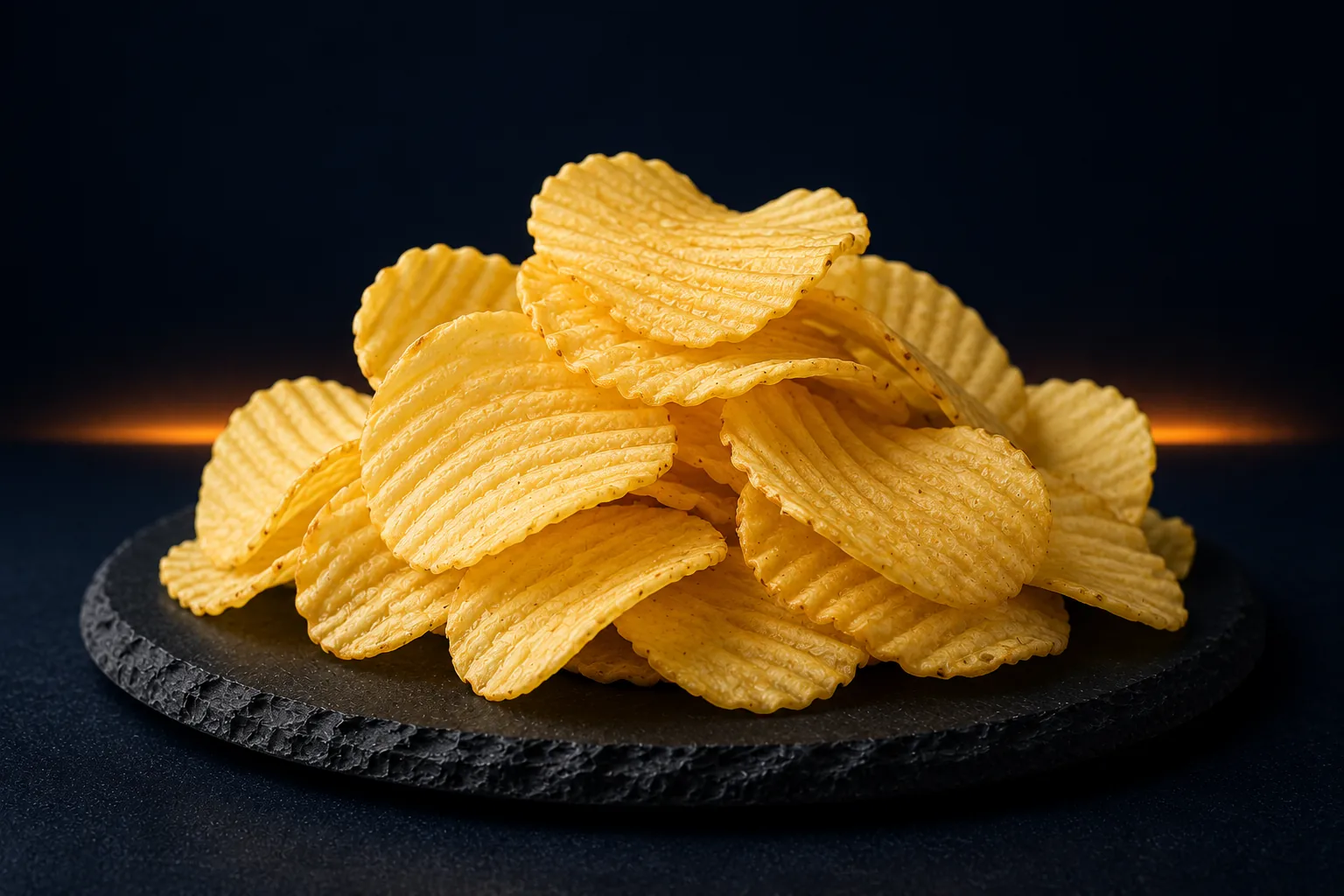
Fabricated potato chips fried from potato flakes dough
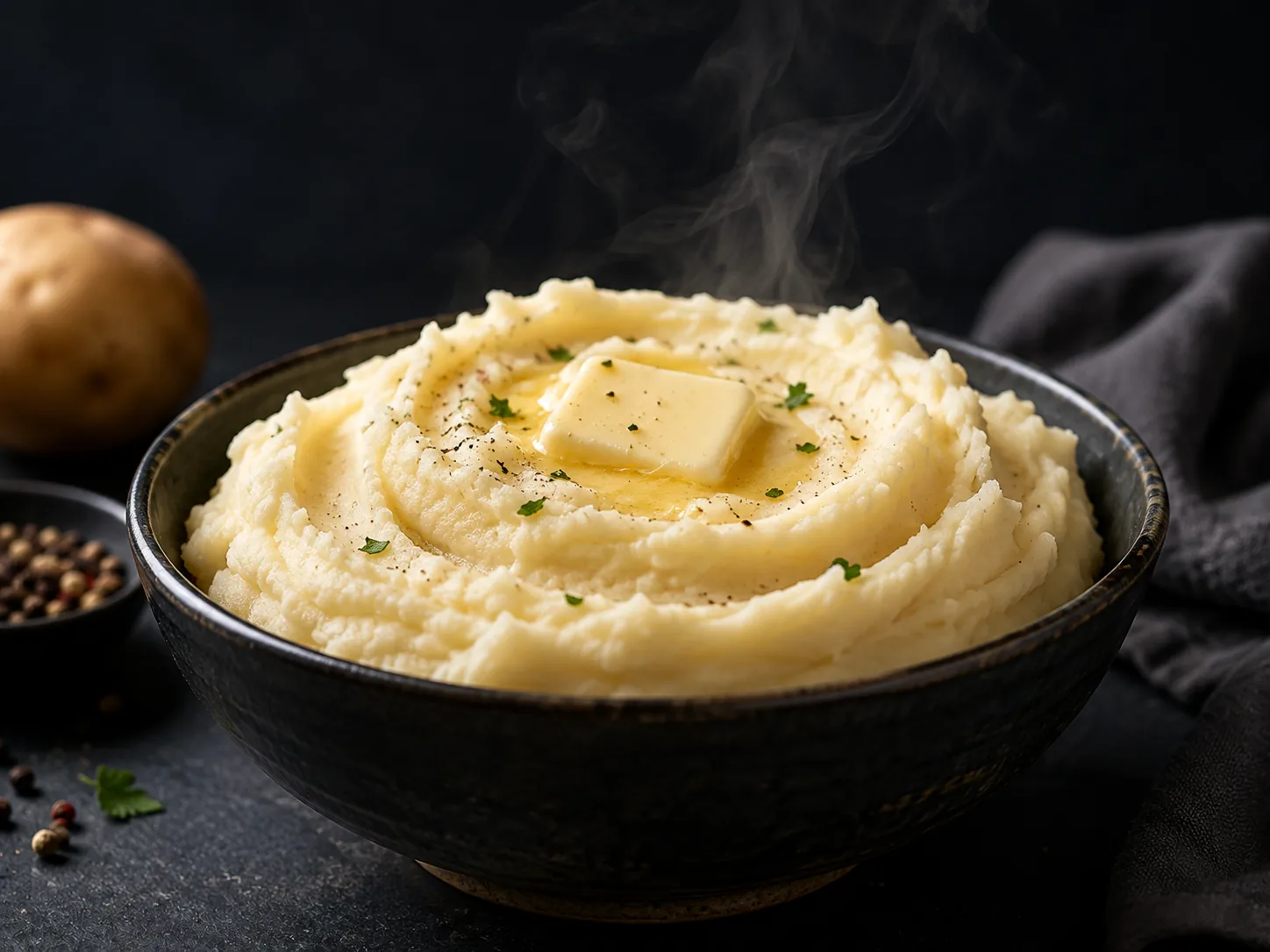
Instant mashed potatoes prepared from potato flakes

Potato Flakes for Instant Mashed Potatoes

Evaluate prepared yield, smoothness and holding texture — not dry flakes alone

For instant mashed potatoes, foodservice mash, croquettes and prepared-potato fillings, the purchasing decision usually depends on hydration speed, water demand, texture, flavor and consistency after preparation. A sample that looks attractive in the bag may still behave poorly after mixing or holding.

Run the trial using the water temperature, water-to-solids ratio, mixing intensity and holding time that your customer or foodservice operation will use. Record wet-out time, lump formation, smoothness, gumminess, potato flavor, prepared yield and texture after holding. If milk solids, fat, salt, seasoning or other starches are part of the finished recipe, include them during the comparison because they can change hydration and mouthfeel.

Potato Granules may also be worth comparing when your priority is more controlled hydration, lower stickiness or dense free-flowing dry-mix handling. The purpose of the trial is not to prove that flakes are always better, but to identify whether Potato Flakes, Potato Granules or a blend gives the texture and process stability your product needs.

  • Water-to-solids ratio
  • Water temperature and mixing time
  • Wet-out and lump formation
  • Smoothness and potato flavor
  • Prepared yield per kilogram
  • Texture after hot holding or reheating
Discuss instant mashed potato flakes

More Potato Flakes Applications

Use the application to decide which performance attributes matter most

Potato Flakes are used across multiple food categories, but each category values a different combination of hydration, potato solids, texture, binding and process stability. Use these starting points to decide what your sample test should measure before you approve a commercial grade. Application programmes can include fabricated or formed potato chips, puffed and extruded snacks, fried or baked potato snacks, bread and other bakery products, bakery fillings, soups, sauces, dry mixes, ready meals, frozen foods, foodservice, coating systems and compound potato foods. In large-scale food manufacturing, the useful distinction is not simply 'potato solids' but how flake structure, hydration, dough binding, color development and potato flavor behave in the specific formula.

Extruded and pellet snacks

Evaluate dry-blend flow, water addition, feed consistency, extruder torque, expansion, cell structure, break strength and seasoning pickup. Potato Flakes can provide potato solids and flavor, while Potato Granules or Potato Starch may be compared when lower stickiness, flow or expansion control is important.

Learn More →

Bakery and dough systems

In breads, rolls, savory bakery and selected gluten-free systems, Potato Flakes can contribute potato flavor, water absorption and softness. Compare dough water demand, mixing tolerance, machinability, bake loss, crumb texture and shelf-life behavior rather than using a universal inclusion rate.

Learn More →

Frozen prepared foods

Croquettes, fillings, potato sides and other frozen prepared foods may use Potato Flakes for potato solids, binding and texture. Evaluate freezing, thawing, reheating, purge and texture retention in the complete recipe; when freeze-thaw stability is the main problem, Modified Potato Starch may be a better functional route.

Learn More →

Soups, sauces and savory mixes

Potato Flakes can add potato solids, body and opacity to savory systems, but they are not a direct substitute for every starch thickener. If your target is precise viscosity, acid tolerance or cold-water thickening, compare Native, Modified or Pregelatinized Potato Starch products alongside flakes.

Learn More →

Meat and prepared fillings

Selected formulations may use Potato Flakes as a water-managing or textural component. Test pickup, mixing sequence, cook loss, binding, bite and purge together with protein, salt and other binders, and confirm that the formulation complies with destination-market requirements.

Learn More →

Pet-food and treat formulations

Potato Flakes may serve as a potato-solids or functional carbohydrate component in selected pet-food applications. Food grade alone does not establish suitability for a specific formula, so nutritional role, extrusion or cooking behavior, labeling and local pet-food requirements must be reviewed separately.

Learn More →

Grade Selection Workflow

Turn your product target into a Potato Flakes specification that procurement can manage

A good RFQ describes the finished-food requirement first and converts it into measurable raw-material controls. This reduces repeated sample rounds and makes quotations from different bulk Potato Flakes suppliers easier to compare on the same basis.

1. Define the finished product

Tell us whether you manufacture fabricated chips, instant mash, snacks, bakery, frozen foods, sauces or another product. Include the target texture, color, yield or handling issue that is most important to your customer.

2. Describe the process

Share water ratio and temperature, mixing sequence, shear, resting, forming, frying, extrusion, freezing, reheating or other critical process steps. Equipment details can explain why a grade that works in one factory does not behave the same in another.

3. Select measurable controls

Identify which parameters should enter the specification: moisture, particle size, bulk density, reducing sugar, hydration, free starch, viscosity, appearance, microbiology or a customer-specific performance test.

4. Validate and lock the grade

Test a representative sample, review the current TDS, agree test methods and tolerances, and define the COA items required for shipment release. Only after this step should the approved grade and commercial specification be used for recurring bulk orders.

Sample & Factory Trial

Run a controlled Potato Flakes trial before a full-container order

A sample is most useful when the evaluation method is planned before the bag is opened. Keep a control sample from your current supplier if possible, run both materials under the same conditions and record the differences in process behavior and finished-food quality.

01

Before the trial

Record the sample lot, TDS version, formulation, ingredient weights, water temperature, equipment settings and acceptance criteria. Decide which analytical or sensory results will determine approval so the team does not rely on memory or general impressions.

02

During the trial

Keep variables constant and record mixing, hydration, dough feel, processing stability, yield, color, texture and any line interruption. If the result changes, identify whether the cause is the Potato Flakes or another process variable before asking for a specification change.

03

After the trial

Compare the candidate against the control, summarize the acceptable parameter window and decide whether another sample iteration is needed. For successful trials, use the final target to confirm the commercial grade, packaging, MOQ, lead time and batch COA requirements.

Quality, TDS & COA

Supplier qualification should connect laboratory data to production consistency

For bulk food-grade Potato Flakes, buyers should review the specification, food-safety documentation and batch-release process together. One certificate logo or one sample result does not prove long-term consistency; the quality system should support repeat purchasing and traceability.

Technical Data Sheet

Use the current TDS to confirm product description, analytical limits, packaging, storage and the grade-specific parameters relevant to your application. If a website statement and the signed TDS differ, the approved commercial document should control the order.

Batch Certificate of Analysis

The COA should report the agreed batch-release parameters using the agreed methods. Buyers may request moisture, particle profile, reducing sugar or other critical items according to the specification, while microbiological and food-safety checks should follow the approved quality plan.

Traceability and batch identity

Bag coding, production records and warehouse control should allow the supplied lot to be traced through release and shipment. For repeat orders, retain your own sample and process results so commercial performance can be compared across lots.

Certification scope

Food-safety or market certificates should be checked for site name, validity, scope and relevant product coverage rather than treated as decorative logos. Ask for the current document package required by your internal approval or destination market.

OEM / ODM Potato Flakes

Customize measurable product attributes as well as packaging and private label

For recurring industrial projects, OEM and ODM discussions can extend beyond the printed bag. Depending on technical feasibility, raw-material conditions, production stability, MOQ and agreed test methods, selected Potato Flakes properties can be developed around the customer’s application target.

Particle profile

Discuss particle-size or flake-profile targets where the production process and equipment can support stable commercial output. The purpose is to improve dispersion, hydration or dough handling for the target application, not simply to create a different number on a specification.

Reducing-sugar direction

Fried-snack projects can discuss reducing-sugar targets and frying-color expectations for technically feasible grades. Final acceptance must connect the analytical method with an agreed line or laboratory frying result because color is influenced by more than one raw-material parameter.

Hydration and functional behavior

Depending on the application, the development discussion may include water absorption, hydration rate, free-starch behavior, viscosity or another measurable process target. Sample trials are required before the attribute becomes part of a commercial specification.

Packaging and brand program

Discuss bag weight, inner and outer packaging, multilingual labels, customer logo, private label, barcode or QR code, shipping marks, palletization and container-loading requirements. Artwork and legal label content remain subject to customer approval and destination-market rules.

Bulk Supply, Packaging & Logistics

Make the commercial plan as specific as the technical specification

A bulk Potato Flakes quotation should be based on the exact grade, bag format, shipment quantity and destination rather than a generic per-ton price. Confirm pallet preference, container loading, Incoterm, documentation and expected order frequency early so different supplier quotations can be compared fairly. Commercial sourcing normally covers wholesale price, factory price, price per ton, FOB or CIF price, MOQ, samples, 25 kg bags, bulk and export packaging, container load planning, 20-foot or 40-foot containers, international shipping, lead time and export documents. Destination matters as much as price: Europe, the Middle East, Southeast Asia, South Asia, Africa, Latin America, North America and Australia can have different import or labeling requirements, including markets such as Saudi Arabia, the UAE, Indonesia, Malaysia, the Philippines, Thailand, Vietnam, India, Mexico, Brazil and South Africa.

25 kg export bags

The current standard reference is 25 kg food-grade export bags. Confirm bag construction, inner liner, printing, palletization and any private-label requirement before the order because these choices can affect cost, lead time and container loading.

Trial order vs recurring supply

A sample, pilot quantity and regular full-container program involve different handling and economics. Tell us whether the project is a first qualification, one-time purchase or recurring annual demand so production planning and commercial terms can be discussed on the correct basis.

FOB / CIF quotation

For export pricing, provide the product grade, quantity, packaging, destination port and preferred Incoterm. FOB and CIF quotations should be compared together with local charges, transit plan, insurance responsibility and the documents required by the destination market.

Storage after arrival

Keep Potato Flakes sealed, dry and protected from moisture, heat, odor and contamination according to the approved storage instructions. Warehouse rotation, lot identification and first-in-first-out control help protect the consistency verified during supplier qualification.

Potato Flakes vs Potato Granules

Know when Potato Granules deserve a side-by-side trial

Potato Flakes are the right starting point for many applications, but they are not automatically the best dehydrated potato format for every process. Potato Granules are denser and are often evaluated for more controlled hydration, lower stickiness and free-flowing dry-mix handling. If those attributes matter more than rapid hydration and cohesive body, compare both products before specifying one. Buyer research often asks what potato flakes are, how they are made, their uses, how to rehydrate them, how to choose flakes for snack production, how to select a low-reducing-sugar grade, how frying quality and reducing sugar are related, and how to read a specification or buying guide. Product comparison should distinguish flakes versus granules, potato flour, potato starch and fresh potatoes, especially where fabricated-chip performance, frying color, mash texture or cost-in-use are the deciding factors.

Product formThin dehydrated flakesFine dense granules
HydrationGenerally fasterGenerally more controlled
Bulk densityApprox. 220–250 g/L current referenceApprox. 580 g/L current reference
Texture tendencyMore cohesive body depending on gradeLower-stickiness / more defined texture depending on grade
Dry-mix handlingLower density, larger volumeDense, free-flowing handling advantage in many systems
Fabricated chipsCommon starting route; reducing sugar importantPossible formulation route; validate line behavior
Instant mashFast preparation and bodyStrong option for controlled hydration and portion consistency

How to Compare Potato Flakes Suppliers

Compare usable production value, hydration control and finished-texture fit — not only price per metric ton.

A lower quotation can become expensive if the material changes water demand, line speed, breakage, oil uptake, prepared yield or customer acceptance. Use the same technical and commercial checklist for every supplier so procurement, quality and production teams are comparing the same risk.

For recurring Potato Flakes supply, keep an approved reference sample or retained finished product and monitor the parameters that actually affect your process. If performance drifts, compare analytical data and production records before changing the specification. A supplier relationship is strongest when both sides share the same test language and acceptance criteria. For B2B procurement, buyers may encounter the terms manufacturer, producer, exporter, wholesale supplier, distributor, B2B supplier, commercial supplier, industrial supplier, import supplier and export supplier. The label is not enough: importers, distributors, wholesalers, food manufacturers and international buyers should qualify the exact food-grade dehydrated flakes grade, reducing-sugar target, sample, batch consistency, packaging and stable supply. Factory-direct supply and bulk purchase discussions should start from the end product and whether the process is fried, baked, mashed or otherwise formed.

  • Application-matched sample and current TDS
  • Agreed test methods for critical parameters
  • Batch COA and traceability requirements
  • Line-trial yield, color, texture and handling results
  • Packaging, pallet and container-loading plan
  • Lead time, MOQ, Incoterm and delivered-cost comparison

Potato Flakes FAQ

Questions buyers ask before approving bulk Potato Flakes

These answers are designed for procurement, R&D and quality teams evaluating Food Grade Potato Flakes. Final commercial requirements should still be confirmed in the current product specification, quotation and contract. A serious sourcing request should state whether the flakes are for commercial, industrial or large-scale production and whether the buyer is an importer, distributor, wholesaler or manufacturer. Ask for quality requirements, supplier checklist, import and export requirements, shipping requirements, quality control, quality inspection, batch consistency, sample and quotation, TDS and COA, packaging and the current lead time. Those details let the supplier quote the correct grade rather than only a generic potato-flakes price.

What are Potato Flakes used for in food manufacturing?

Potato Flakes are used as dehydrated potato solids in fabricated chips, instant mashed potatoes, extruded snacks, bakery, croquettes, frozen prepared foods, soups, sauces and other savory systems. Their role can include potato solids, rapid hydration, body, binding, water absorption and potato flavor, depending on the grade and formulation.

What should I check when buying food grade Potato Flakes?

Start with the application, then compare moisture, particle size, bulk density, reducing sugar when frying color matters, hydration, free-starch behavior, microbiological requirements, packaging and batch consistency. Ask for a representative sample, the current TDS and the COA route for commercial shipments.

What reducing sugar level should Potato Flakes have for fabricated chips?

A current selected frying-grade reference of ≤1.5% can be discussed for relevant snack applications, but it is not a universal limit for every Potato Flakes grade. Agree the method and validate frying color, dough behavior and final chip quality under your actual process before setting the commercial acceptance limit.

Are Potato Flakes the same as Potato Granules?

No. Both are dehydrated whole-potato ingredients, but their particle structure, bulk density, hydration and texture behavior differ. Potato Flakes generally hydrate faster, while Potato Granules are denser and are often selected for more controlled hydration and lower stickiness. They should not be assumed to substitute one-to-one.

Can Potato Flakes be used for instant mashed potatoes?

Yes. Potato Flakes are widely evaluated for instant mash because they hydrate rapidly and can provide a smooth, cohesive potato texture. Test water ratio, water temperature, mixing, lump formation, prepared yield, flavor and texture after holding because the preferred mash style varies by market and customer.

Can you customize Potato Flakes specifications?

Selected attributes such as particle profile, reducing-sugar direction, hydration or other measurable performance targets may be discussed through OEM or ODM development where technically feasible. Final values require sample validation, MOQ confirmation, agreed test methods and a signed commercial specification.

Can you provide OEM or private-label Potato Flakes packaging?

Packaging programs can discuss bag weight, bag structure, customer branding, multilingual labels, barcode or QR code, shipping marks, palletization and container loading. Final artwork, mandatory label content, MOQ and lead time must be approved before production.

What is the standard Potato Flakes packaging?

The current website reference is 25 kg food-grade export bags. Alternative OEM or private-label formats may be discussed depending on order volume, packaging feasibility and destination-market requirements.

How should I test a Potato Flakes sample?

Use the same recipe, water, temperature, mixing and equipment settings as your control material. Record hydration, dough or mash behavior, yield, color, texture, flavor and process stability, then compare the result with the TDS and the critical analytical parameters before approving the grade.

What documents should a Potato Flakes supplier provide?

For qualification, request the current TDS, batch COA route, ingredient and food-safety information, available certification documents and any destination-market documents your internal process requires. Check certificate scope and validity rather than relying only on website logos.

Can Potato Flakes and Potato Granules be blended?

Yes, selected formulations may use both to balance rapid hydration, body, texture and dry-mix handling. There is no universal ratio. Test a small formulation matrix and evaluate the complete finished product before locking a blend.

What information should I send for a bulk Potato Flakes quotation?

Send the application, target grade or critical specification, quantity per shipment, annual demand if known, packaging, destination port, preferred Incoterm, sample requirement and required documents. For fried snacks, include any reducing-sugar or frying-color target; for instant mash, include the desired hydration and texture profile.

RFQ · Samples · TDS · COA

Send us your Potato Flakes application, target specification and destination

Tell us what you manufacture, which parameter is critical, how much you need for the first trial and for regular supply, and where the product will be shipped. We can then discuss a suitable Food Grade Potato Flakes grade, sample plan, TDS / COA requirements, OEM / ODM options and a more comparable bulk quotation.