Are Potato Flakes and Potato Granules both considered potato flour?
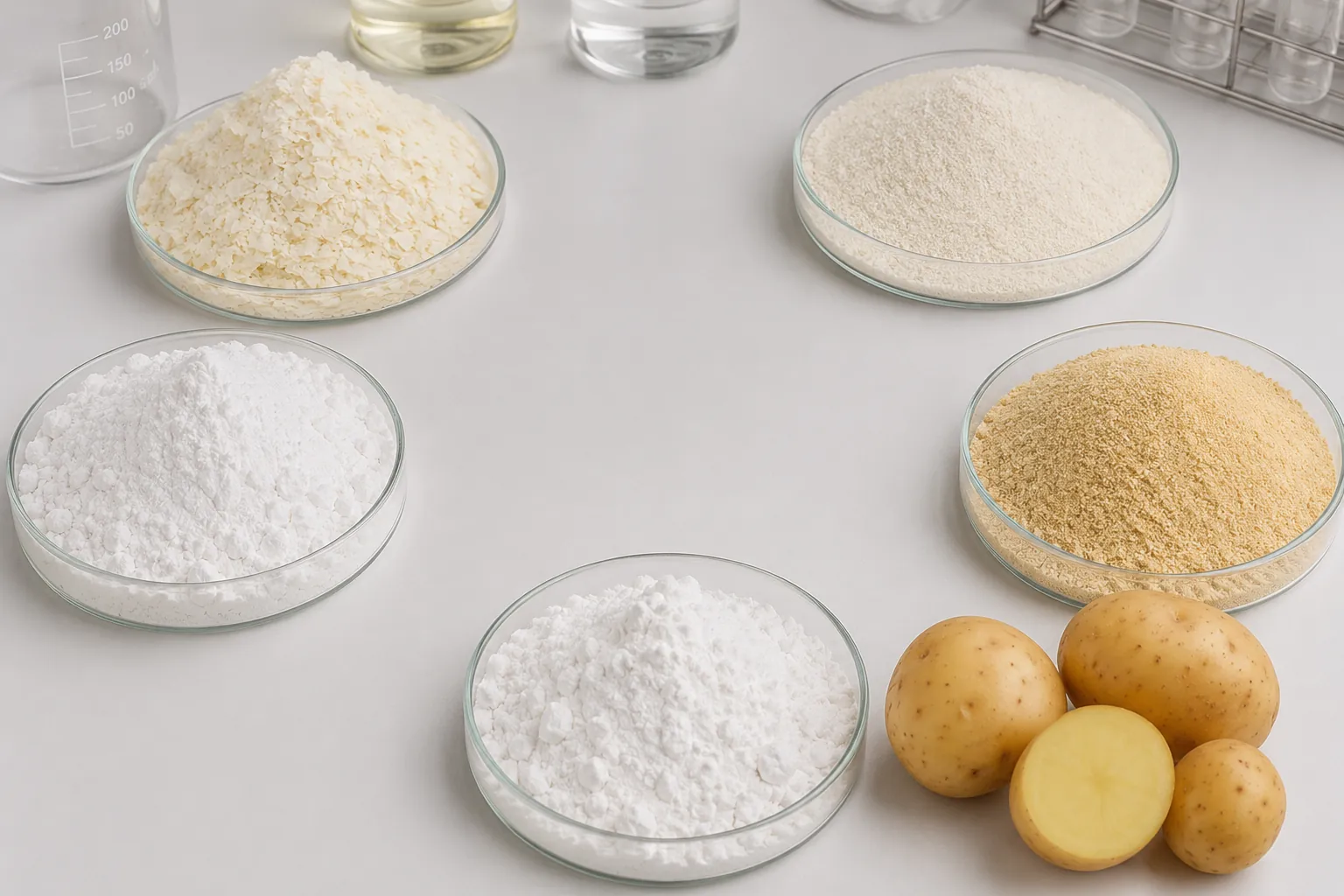
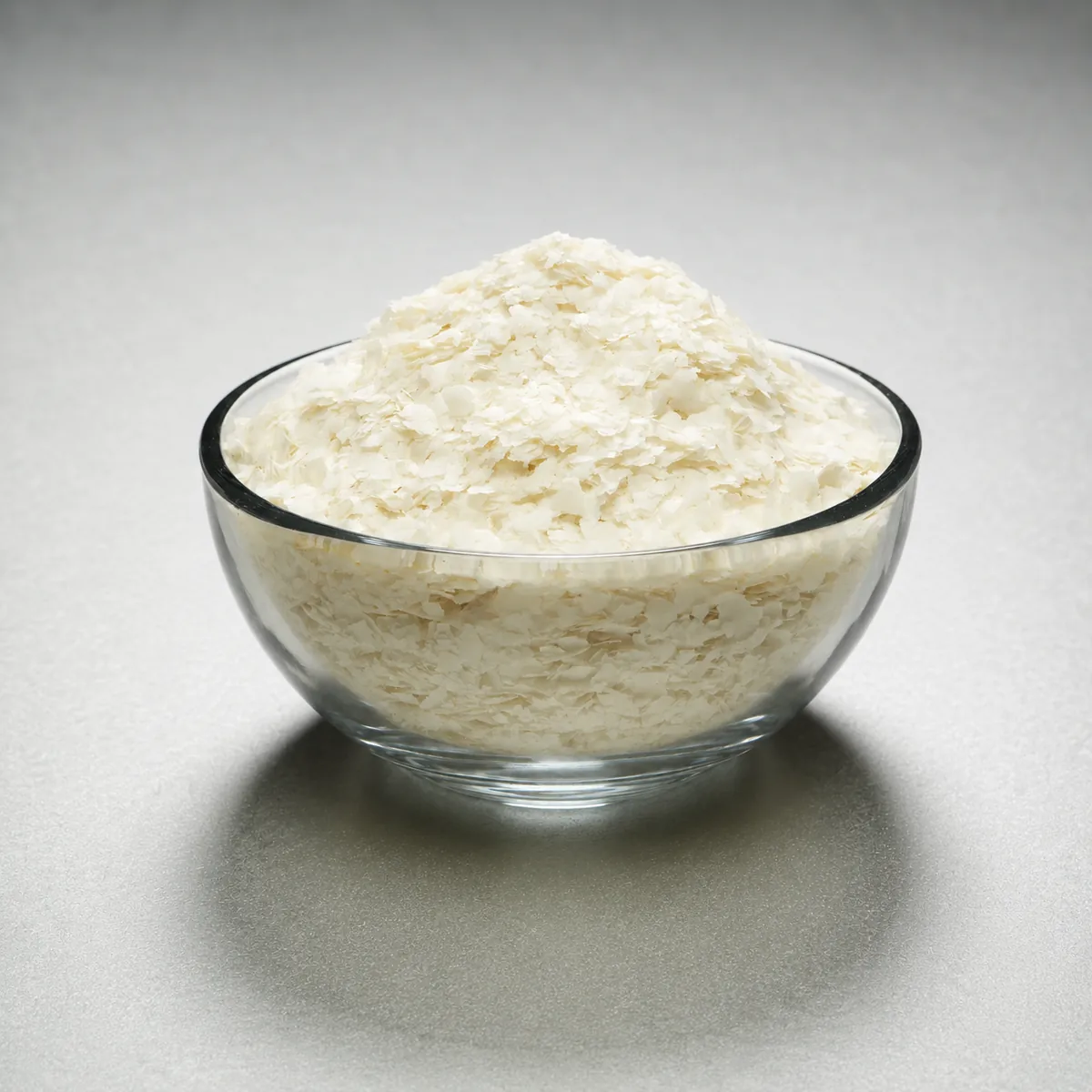
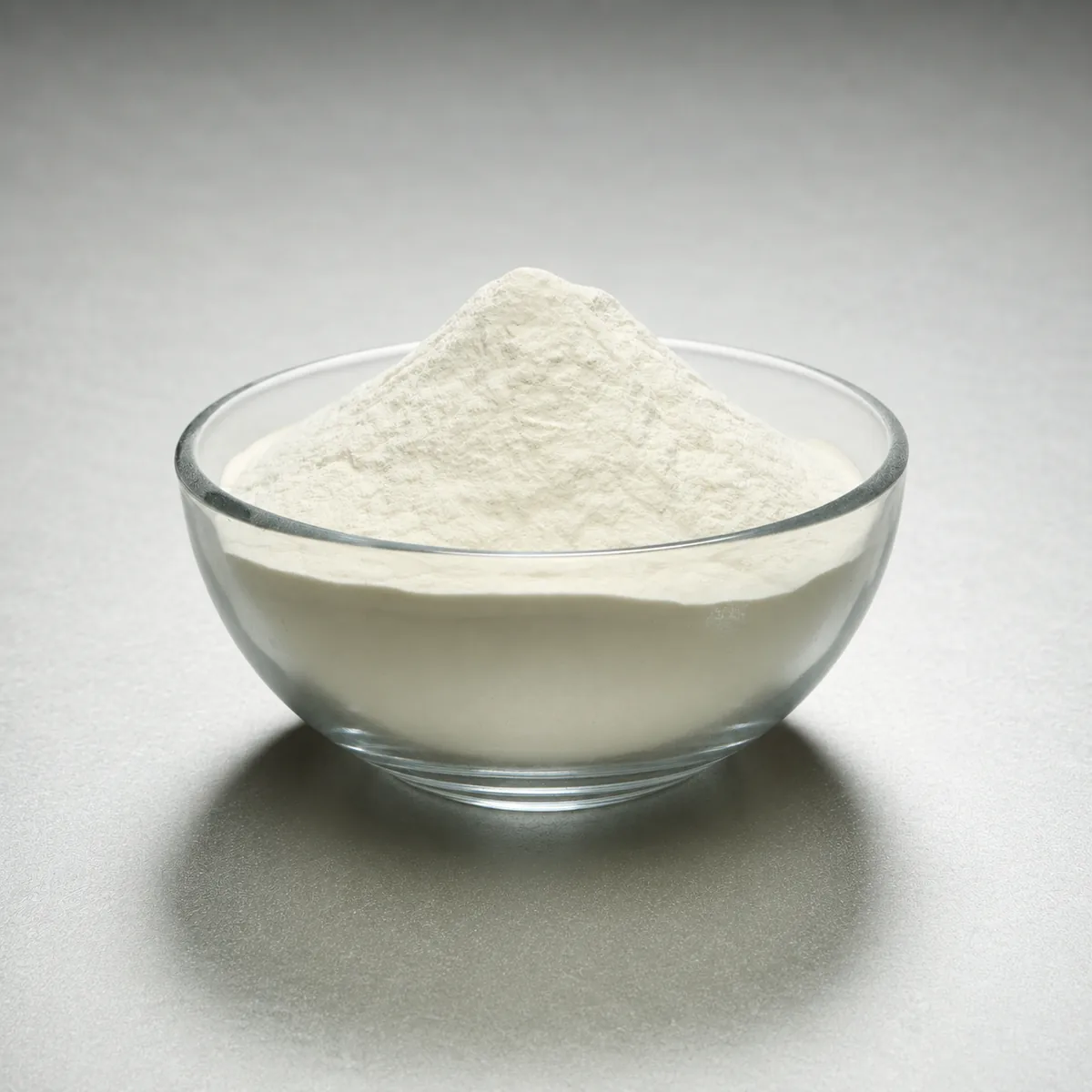
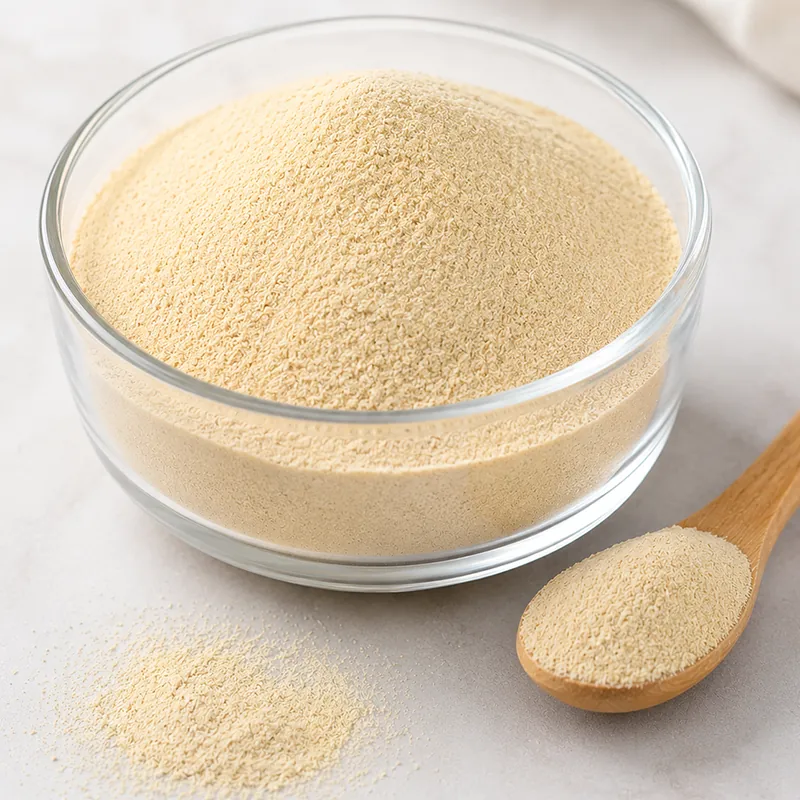
In Chinese industry language, 马铃薯全粉 is commonly used as a broader category for dehydrated whole-potato products, including flakes and granules. In international trade, however, the term potato flour is not always used consistently. For a precise RFQ, identify Potato Flakes or Potato Granules and state the intended application.
What should I compare when choosing a bulk Potato Flakes supplier?
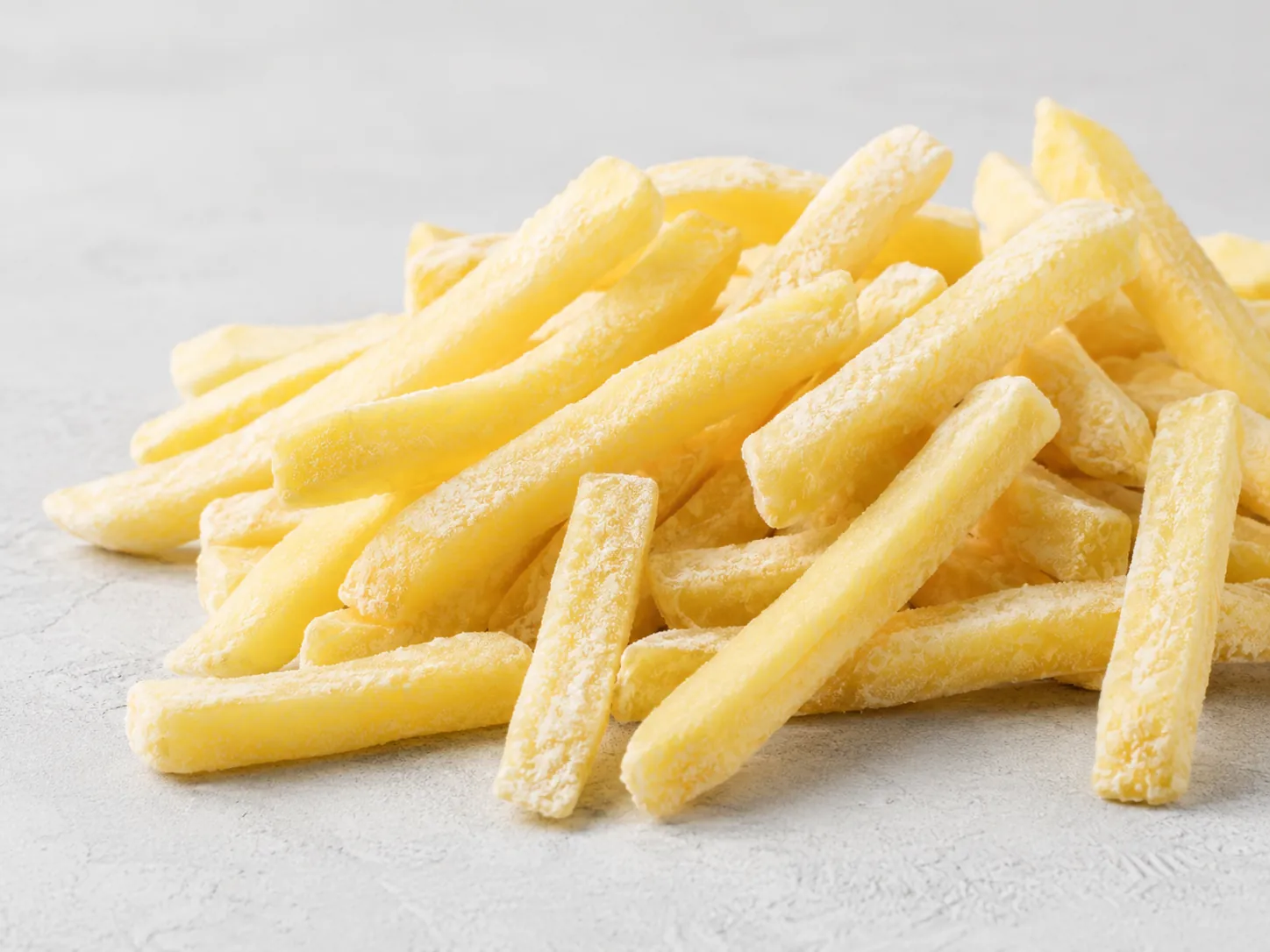
Start with your application, then compare the parameters that influence that process. For fabricated chips this may include reducing sugar, particle size, hydration and dough behavior. For instant mashed potato flakes, evaluate hydration ratio, smoothness, prepared yield, flavor and holding stability. Also compare TDS, COA, packaging, lead time and batch consistency.
What should I compare when choosing food-grade Potato Granules?
Review particle profile, moisture, bulk density, free soluble starch, rehydration behavior, texture and dry-mix handling. If the granules are for instant mashed potatoes or foodservice, test lump formation, stickiness, portion consistency and texture after holding under the preparation conditions used by your customer.
Can Potato Flakes and Potato Granules replace each other one to one?
Not automatically. They differ in particle structure, bulk density, hydration and texture, so a one-to-one substitution can change water demand, mixing behavior, dosing and finished-product quality. Use a controlled formulation trial and compare by weight and process performance before approving a replacement.
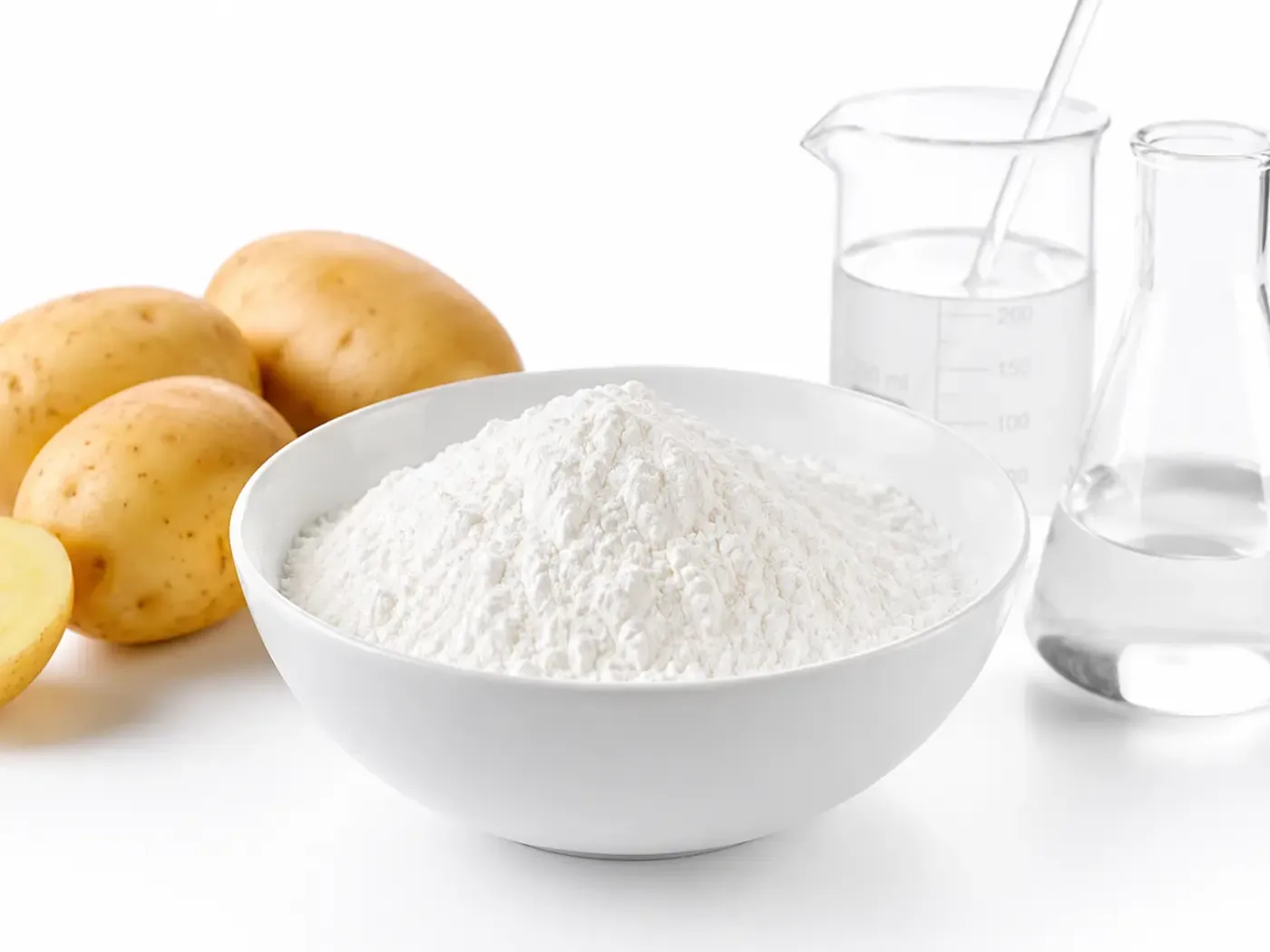
Do you also supply Native Potato Starch, Modified Potato Starch and Pregelatinized Potato Flour?
Yes. These are supporting potato ingredients for buyers who need thickening, gelling, binding, instant hydration, water management or additional process stability. They are presented separately from Potato Flakes and Potato Granules because their technical role in a formulation is different.
Can the technical specification be customized for OEM or ODM orders?
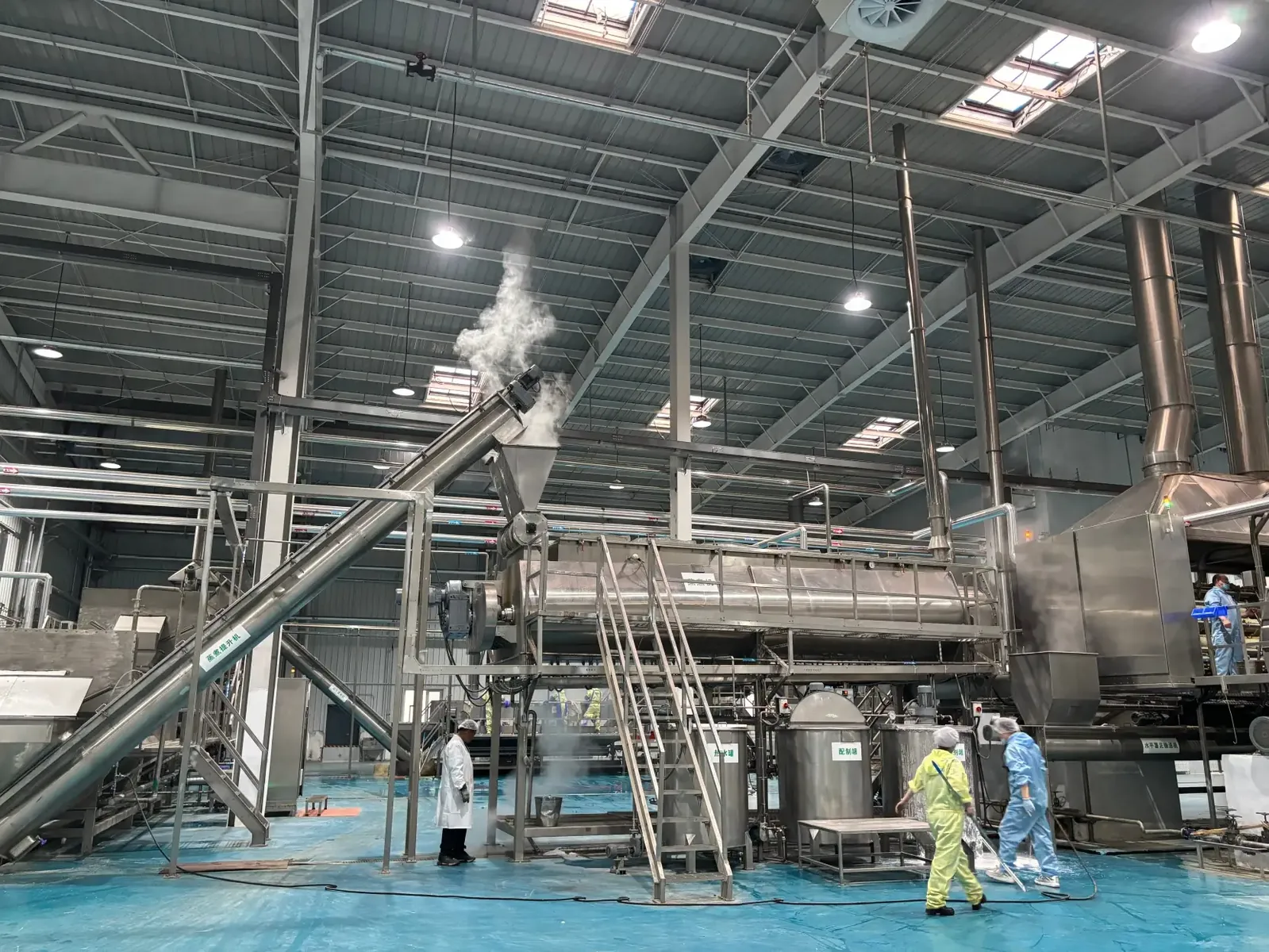
Selected technical properties can be discussed according to the product, application, production feasibility, MOQ and test method. Projects may cover particle profile, bulk density, reducing sugar, hydration, viscosity or other measurable targets, as well as packaging and private-label requirements. Final values must be confirmed in an agreed specification after evaluation and testing.
Can I request a sample, TDS and COA before placing a bulk order?
Yes. A current TDS helps you review the intended commercial specification, a sample allows you to test the product in your process, and the batch COA is used to confirm shipment-level results against agreed tests. Tell us the application and critical parameters so the qualification package is relevant to your decision.
What information should I include when asking for FOB or CIF pricing?
Please provide the exact product, intended application, required quantity, packaging preference, destination country and port, target specification and any required documents. With the same assumptions defined, FOB and CIF quotations can be compared more accurately and unnecessary back-and-forth can be reduced.