
Potato Flakes MOQ reference
Current minimum-order reference for standard Potato Flakes. Application-specific grades, customized specifications or packaging projects may require a different commercial minimum.
Bulk Supply · OEM · ODM · Export
Source Potato Flakes, Potato Granules, Native Potato Starch and functional potato ingredients through a purchasing route built for food factories, importers, distributors and private-label projects. We connect product qualification, commercial terms, packaging, technical documents and export execution instead of treating each step as a separate conversation.
Start with the exact product, application, required specification, order quantity and destination. From there we can discuss a standard grade, OEM manufacturing to an approved specification, ODM development for a defined application, or a repeat container-supply plan. Current commercial references on this page are starting points only; the quotation, proforma invoice and approved specification govern the actual order.
Current Commercial Reference
These figures reflect the current purchasing references previously confirmed for core products. They help buyers prepare an RFQ, but the exact grade, loading plan, customization, production slot, freight and destination requirements must still be confirmed in the current quotation and PI.
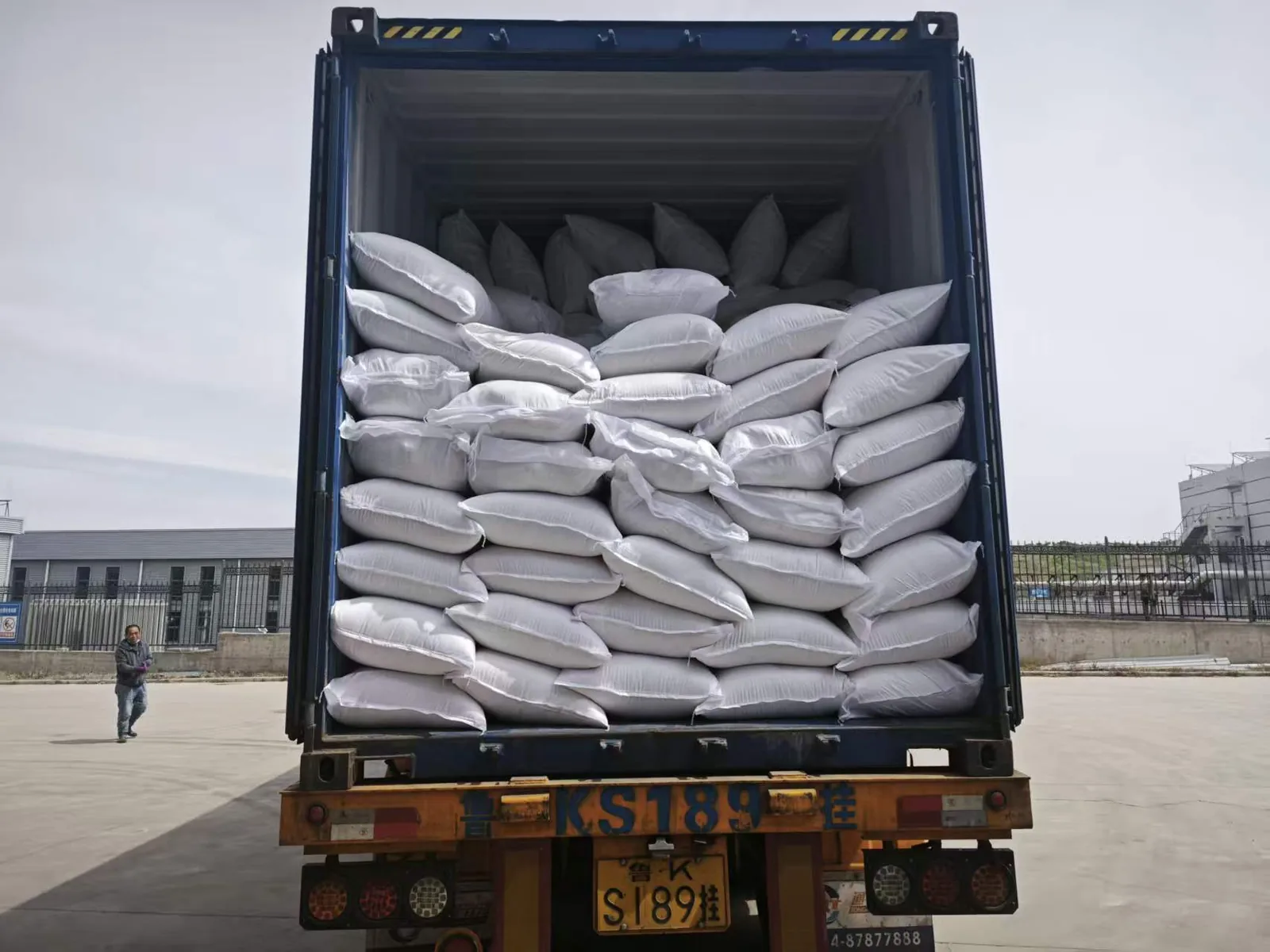
Current minimum-order reference for standard Potato Flakes. Application-specific grades, customized specifications or packaging projects may require a different commercial minimum.
Current minimum-order reference for Potato Granules. Final loading is confirmed against bag format, product bulk density, pallet preference and container plan.
Current reference for a 20-foot container of Potato Starch is about 18 metric tons. Exact loading and any special packaging must be confirmed for the shipment.
A 25 kg export bag is the standard reference for core dry potato ingredients. Bag construction, printing, inner liner, palletization and private label are confirmed by project.
The current standard reference is shipment planning within 7–20 working days after full payment, subject to grade, customization, production schedule and written order confirmation.
Samples up to 1 kg can be provided free of product charge, with international courier cost paid by the buyer. Larger samples are normally supplied at cost and should be quoted before dispatch.
Commercial conditions can change with product grade, raw-material situation, packaging, destination, freight, exchange rates and contract requirements. Do not use a website reference as a purchase-order term; request the current written quotation before making a buying decision.
Buy by Product
Potato Flakes and Potato Granules are the core dehydrated whole-potato products. Potato starch and functional powders are selected by performance, while Frozen French Fries follow a separate cold-chain and SKU route. The cards below help buyers enter the correct purchasing path.
Core · Dehydrated Potato
For instant mashed potatoes, fabricated potato chips, extruded snacks, bakery and other industrial applications. Confirm standard or application-specific grade, particle profile, hydration, reducing sugar where relevant, 25 kg packaging and destination.
Current MOQ reference: 10 MT.
Review Potato Flakes →Core · Dehydrated Potato
A compact dehydrated potato ingredient used in mashed-potato systems, snacks and other formulations where granule structure, bulk density, hydration and texture are important. Compare the exact grade rather than treating it as another name for flakes.
Current MOQ reference: 17–18 MT.
Review Potato Granules →Starch · Food Ingredient
For thickening, binding, texture and other starch functions where the buyer needs a defined food-grade native starch. Confirm viscosity or other critical indicators, 25 kg packaging, documentation and destination-market requirements.
Current reference: one 20-foot container, approximately 18 MT.
Review Native Potato Starch →Functional · Fast Hydration
For systems requiring rapid hydration, water binding, viscosity or texture development without a conventional full cooking step. Qualification should be based on dispersibility, process conditions and finished-product performance.
MOQ and loading: confirm by grade and project.
Review Pregelatinized Powder →Functional · Process Stability
For applications that require selected heat, acid, shear, freeze-thaw or process stability. The correct grade must be matched to the process and target function; commercial terms depend on the exact modified-starch program.
MOQ and loading: confirm by grade and project.
Review Modified Potato Starch →Frozen · Cold Chain
A separate frozen-product route covering cut size, coating option, packaging, carton, pallet, cold-chain handling and destination. Use the SKU and logistics plan rather than the dry-ingredient purchasing assumptions above.
MOQ, carton plan and reefer loading: confirm by SKU and destination.
Review Frozen French Fries →Customization Scope
OEM/ODM cooperation can cover both the ingredient itself and the packaging. The exact scope depends on technical feasibility, production capability, food-safety requirements, minimum order quantity and the agreed test method.
For a standard bulk purchase, the priority is to define the exact commercial grade, packaging, quantity, destination and documents. For OEM, you bring an approved target specification or benchmark and we evaluate manufacturability. For ODM, you bring the finished-product requirement and process target, then the technical route is narrowed through product selection, samples and testing. In all three cases, a successful sample should be converted into a written commercial specification before routine production.
OEM
If you already have a target specification or an approved benchmark, our technical team can evaluate whether the product can be manufactured within your required parameter window.
ODM
If you know the finished-product target but do not yet have a complete ingredient specification, we can start from your process conditions and help build a practical specification and sample plan.
Packaging & Brand
After the technical grade is confirmed, packaging can be matched to your sales channel, warehouse, production feeding and destination-market requirements.
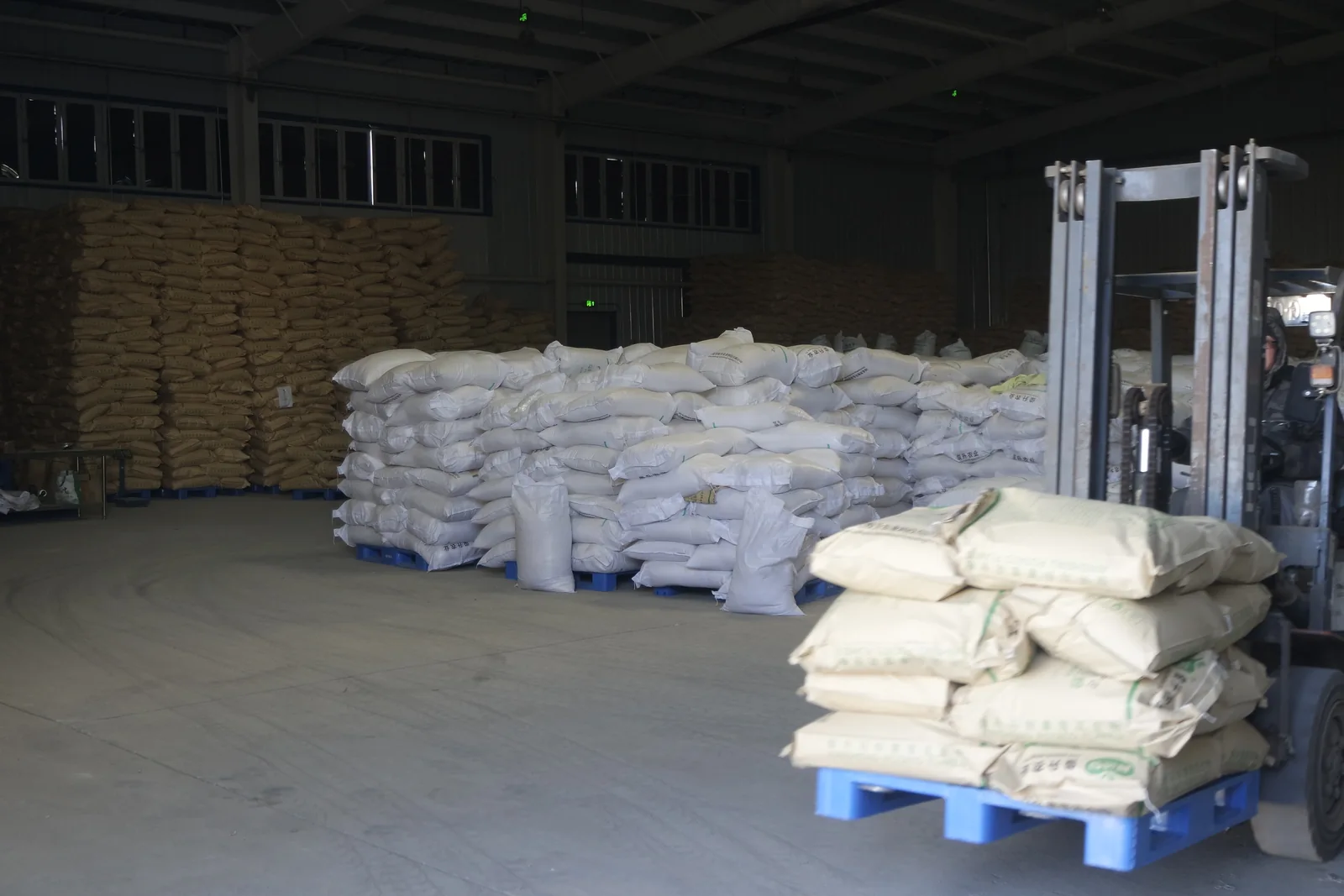
For export orders, packaging is part of supply performance. Confirm moisture protection, bag strength, lot identification, label language, customer artwork, pallet requirement, shipping marks and receiving-warehouse constraints before production. Product bulk density affects container utilization, so Potato Flakes and Potato Granules should not be assumed to load the same way.
OEM / ODM Workflow
The order should move from technical definition to commercial confirmation in a controlled sequence. This reduces the common risk of approving one sample but ordering a different grade, package or acceptance standard.
Send product, application, specification, quantity, annual volume, destination and required trade term.
Confirm the suitable grade, customization feasibility, MOQ, packaging, available documents and quotation basis.
Arrange a qualification sample or trial route when technical approval is required before the bulk order.
The buyer tests the material in laboratory or production conditions and reports any critical differences from the target.
Lock the approved grade, critical tolerances, packaging, quantity, Incoterm, payment, destination and required documents in writing.
Production or dispatch planning follows the confirmed commercial terms. The current standard lead-time reference is 7–20 working days after full payment, subject to the order.
Match the commercial batch with the agreed specification, lot identification, batch COA and required shipment documentation.
Execute the confirmed bag, pallet or container plan and ship under the agreed EXW, FOB, CFR, CIF or other written term.
Export and Logistics
A low ex-factory price can become a poor delivered offer if quantity, palletization, freight, destination charges or document scope are different. When comparing suppliers, hold the product grade, bag format, load basis, Incoterm and destination constant.
Suitable when the buyer or appointed forwarder controls pickup and export logistics. Confirm pickup point, loading responsibilities, packaging and document scope in the quotation.
The product and export-side logistics can be quoted to the agreed Tianjin shipment point under the current order assumptions. Compare the same quantity, packaging and document scope across suppliers.
Destination-port quotations can be discussed when the buyer provides the exact port and shipment requirements. Ocean freight changes with timing and market conditions, so destination pricing should be re-confirmed for the live shipment.
Tell us whether pallets are required and how your warehouse receives goods. Bag dimensions, bulk density and palletization affect container utilization, especially when comparing Potato Flakes with denser potato ingredients.
Repeat Orders and Supply Planning
A repeat-order program should keep the approved grade, test logic, packaging and lot identification stable while allowing quantity and shipment timing to be planned against actual demand. For annual or recurring orders, share the forecast instead of treating every container as an unrelated spot purchase.
Keep one clearly identified commercial grade and agreed specification linked to the approved trial. Any requested change should be reviewed before the next batch rather than introduced informally.
Use the same critical parameters, test methods and receiving criteria across shipments. When process performance changes, compare batch data and retained production records instead of relying on appearance alone.
Provide expected annual volume, preferred shipment size and receiving frequency. Forward planning helps align production windows, packaging materials, container booking and customer inventory.
If packaging, specification, label, destination rules or logistics assumptions change, update the commercial file before production so QA, procurement, warehouse and shipping teams are working from the same revision.
Technical Control
Final parameters must remain within technically manufacturable and food-safe ranges. Raw-material variability, production-line capability, regulatory requirements, MOQ, analytical method and tolerance all affect what can be guaranteed. The signed specification and batch COA take precedence over marketing copy.
Bulk Supply
Bulk supply is not only a large quantity. It is the ability to repeat an approved product with controlled packaging, batch documents, traceability and a clear shipment plan. For core potato ingredients we support bulk and containerized purchasing, while the exact MOQ, loading, lead time and document package remain order-specific.
RFQ Checklist
A useful RFQ reduces rounds of clarification and helps us avoid quoting the wrong product, wrong bag or wrong logistics route. If some information is not yet known, provide the application and target first and mark the remaining item as open.
RFQ · Samples · TDS · COA
For the fastest quotation, include the product or application, target specification or benchmark, critical parameters, first-order quantity, annual volume, packaging, pallet preference, destination port, trade term and required documents. If you are still selecting between Potato Flakes and Potato Granules, send the finished-product requirement first.