Frozen Prepared Foods Application Guide

Potato Ingredients for Frozen Prepared Foods

If you manufacture frozen ready meals, filled products, potato sides, sauces, soups or other prepared foods, ingredient selection should be based on what happens before freezing, during frozen storage and after reheating. This page helps you compare Modified Potato Starch, Pregelatinized Potato Flour, Potato Granules and Potato Flakes by function rather than by product name alone.

For a useful technical recommendation, tell us your finished product, heating and shear conditions, freezing method, storage temperature, expected shelf life and reheating route. A grade that looks stable immediately after cooking can still release water, become rubbery, thin out or turn pasty after freezing and reheating, so commercial approval should include the complete process.

Frozen ready mealsFreeze-thaw evaluationReheating textureWater managementOEM / ODM support
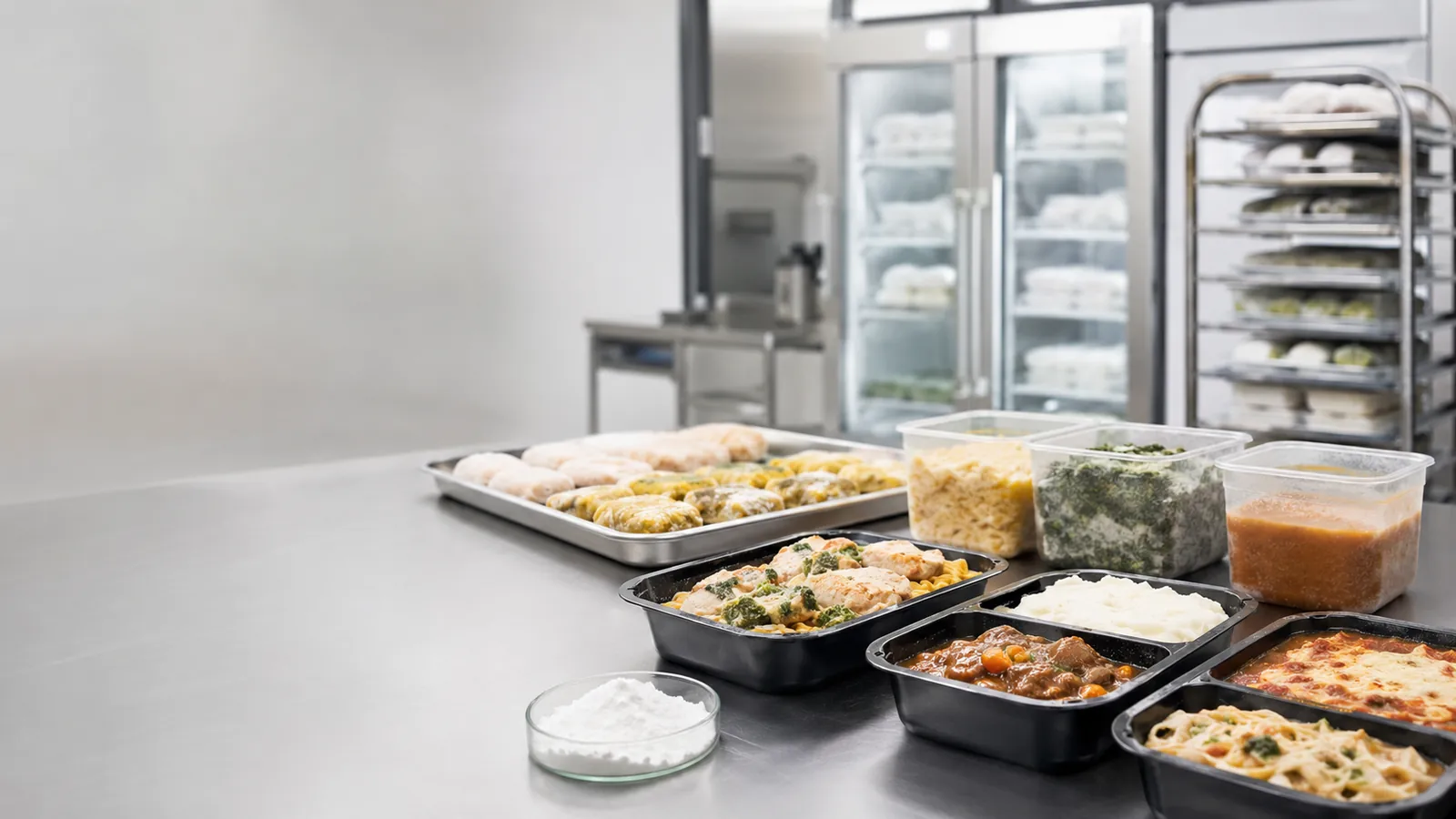
Potato ingredients for frozen prepared foods - ready meal production

Start with the failure mode you need to prevent

Frozen prepared foods expose starch and potato ingredients to several stresses in sequence. Instead of asking only for a “freeze-thaw stable starch,” define the finished-product problem, the processing history and the reheating method so the trial can measure the right result.

01

Reduce water separation and syneresis

If sauce, filling or potato components release visible water after thawing or reheating, compare ingredients by water retention, viscosity recovery and finished-product appearance after a defined frozen-storage cycle. Record both free water and texture rather than judging the hot product immediately after cooking.

02

Protect texture after reheating

Microwave, oven, steam and pan reheating can produce very different shear, moisture-loss and temperature profiles. Define the serving texture you need after reheating, then compare body, creaminess, firmness, cohesiveness and mouthfeel under the customer’s real preparation method.

03

Maintain binding and shape

For formed potato sides, filled foods, croquettes, dumplings or prepared components, the system may need enough binding to survive forming, freezing, transport and reheating without becoming rubbery. Potato Flakes, Potato Granules and starches can play different roles and should be tested as a formulation system.

04

Control processing and filling

A frozen-food ingredient also has to work before the freezer. Pumpability, depositability, sauce cling, filling accuracy and hot-hold behavior can determine line efficiency. The best frozen result is not useful if the premix is too thick, too thin or unstable during production.

Choose the ingredient by its job in the frozen system

Modified Potato Starch is often the first route when a formulation needs better tolerance to defined heat, acid, shear or freeze-thaw stress. Pregelatinized Potato Flour is useful when rapid hydration or early-stage binding is needed. Potato Granules and Potato Flakes contribute dehydrated potato solids, flavor and texture, but they should not be treated as starch substitutes.

Modified Potato Starch

Best starting route when the process requires functionality beyond standard native starch, such as improved tolerance to specific heat, acid, shear, holding or freeze-thaw conditions. Select the exact grade by process requirements and sample validation.

View product details →

Pregelatinized Potato Flour

Best starting route when rapid hydration, cold- or warm-water dispersibility, instant thickening, water uptake or early-stage binding is needed before full heating. It is not automatically the best route for strong acid, retort or freeze-thaw stress.

View product details →

Potato Granules

Best starting route when you need dehydrated potato solids with controlled rehydration, lower-stickiness direction, dense bulk handling and good dry-mix behavior. Especially relevant to instant mashed potatoes, foodservice, portioned dry mixes and selected prepared foods.

View product details →

Potato Flakes

Best starting route when you need dehydrated potato solids, fast rehydration, potato flavor and body. Frequently evaluated for fabricated chips, instant mash, bakery, croquettes, snacks and prepared foods. For fried applications, reducing sugar and frying color deserve specific attention.

View product details →

Build a frozen-food qualification plan before requesting a grade

A supplier can recommend more accurately when the RFQ describes the complete process. These are the operating conditions and finished-product checks that should be agreed before comparing samples, because “works in frozen food” is too broad to be a useful specification.

Qualification pointWhy it mattersWhat to record in the trial
Heating profileDetermines when native or modified starch gelatinizes and how much thermal stress the system receives.Peak product temperature, hold time, heating sequence, batch size and whether the sauce or filling is cooked before or after assembly.
pH, salt and solidsAcid, salt, sugar, protein and fat can change viscosity development and stability.Final pH, major salts or acids, soluble solids and the full formulation basis used for the comparison.
Shear and pumpingMixers, pumps and homogenization can reduce viscosity or change texture in some starch systems.Mixer type, speed, pump stage, recirculation time and viscosity or flow before filling.
Freezing and storageFreezing rate and storage history affect ice-crystal formation and water migration.Freezing method, target core temperature, storage temperature, cycle duration and any deliberate temperature-abuse test.
Thawing and reheatingMicrowave, oven, steam and direct-pan heating produce different final texture.Reheating method, time, target serving temperature and texture immediately after reheating and after holding.
Water migrationSyneresis can damage appearance, eating quality and package integrity.Visible free water, sauce separation, purge, filling leakage and moisture transfer into adjacent components.
Finished textureThe correct viscosity number does not guarantee the correct eating texture.Body, cling, creaminess, cohesiveness, firmness, gumminess and customer-specific sensory targets.

Freeze-Thaw and Water Migration

Do not approve a frozen-food starch from the hot kettle alone

A sauce can look smooth and stable immediately after cooking but change dramatically after freezing, storage, thawing and reheating. That is why Modified Potato Starch for frozen foods should be selected against a defined freeze-thaw protocol rather than from viscosity or E-number alone.

Freeze-thaw performance depends on the exact modified starch grade, concentration, pH, salts, proteins, fat, heating history, shear and freezing rate. Pregelatinized Potato Flour may help rapid hydration and water management, but pregelatinization by itself does not prove strong freeze-thaw stability.

For commercial qualification, freeze the candidate and current control under the same conditions, store them for the same time, use the same thawing or reheating route, then compare free water, viscosity recovery, texture and appearance. If the real distribution chain may experience repeated temperature fluctuation, include a realistic stress cycle rather than relying on one ideal laboratory freeze.

  • Visible free water or syneresis
  • Sauce or gravy separation
  • Purge from meat or filled components
  • Texture after first reheating
  • Texture after holding at serving temperature
  • Change after repeated freeze-thaw stress when relevant
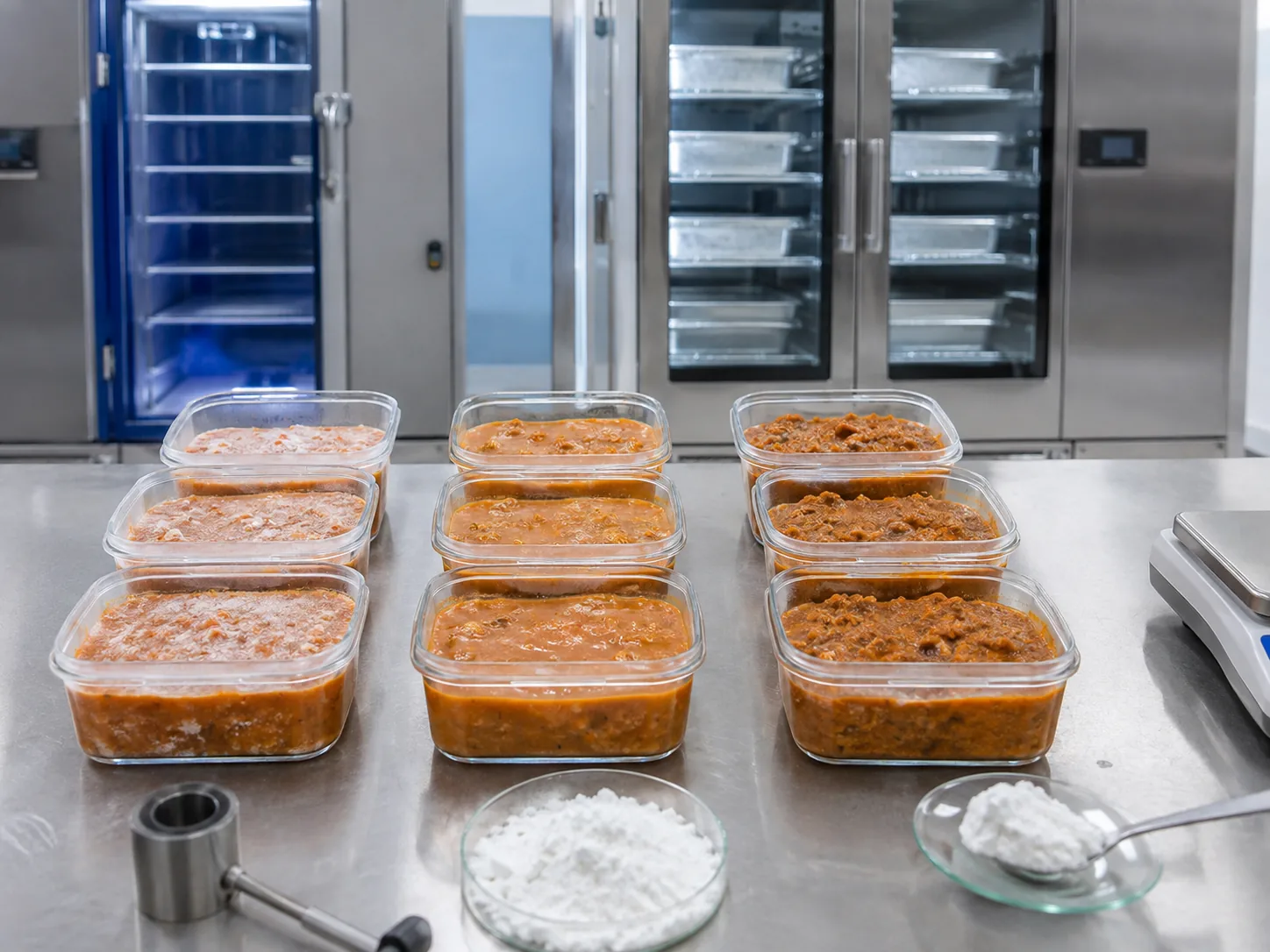
Freeze-thaw stability testing of potato starch in frozen sauce
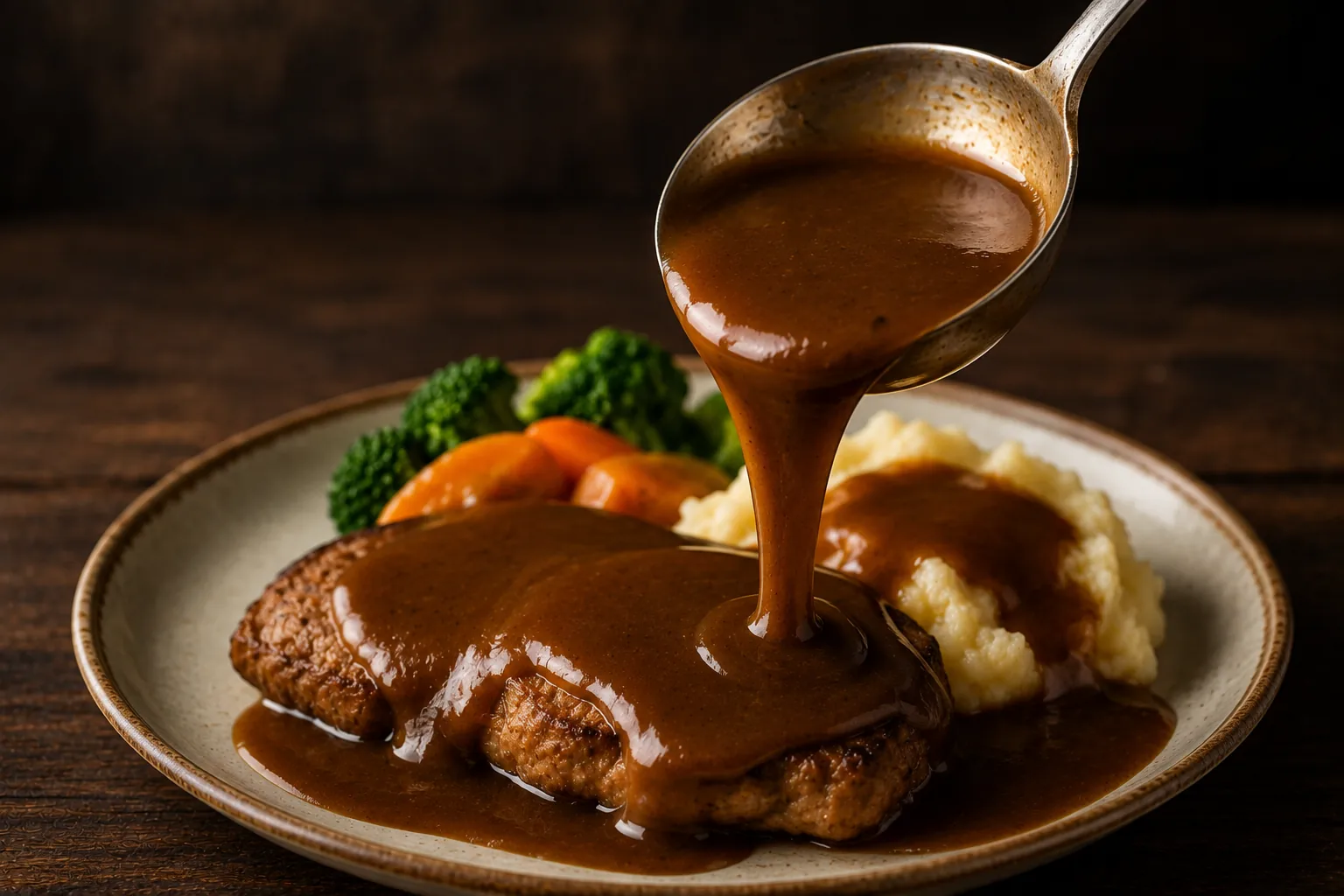
Reheated ready meal with stable texture from modified potato starch

Reheating Performance

Design the ingredient around the customer’s actual reheating route

A frozen ready meal that is reheated in a microwave has a different moisture and heat profile from one reheated in an oven, steam cabinet or pan. The ingredient should be judged at the point where the consumer or foodservice operator actually eats the product.

For sauces and gravies, compare flow, cling, gloss, water release and mouthfeel after reheating. For potato sides, croquettes and formed components, compare shape retention, interior texture, surface drying and any gumminess. For filled products, also check moisture migration into dough, coatings or other adjacent components.

If the product is held after reheating, include that time in the protocol. A system that is acceptable at minute zero may become too thick, too thin, dry or pasty after ten to thirty minutes of service. Recording the holding curve gives procurement and R&D a better basis for supplier approval than a single hot-viscosity reading.

A six-step trial for frozen prepared foods

Use the same formulation and operating conditions for the current control and candidate ingredient. Change one meaningful variable at a time, retain samples and record both line behavior and finished-product performance.

01 — Define the target product

Specify the frozen product, target texture, package, serving method, expected shelf life and customer complaints you want to prevent. This keeps the trial focused on measurable acceptance criteria.

02 — Standardize preparation

Fix solids, water addition, ingredient sequence, pH, mixing, heating, shear, filling weight and pre-freeze holding. Without this control, differences may come from processing rather than the starch or potato ingredient.

03 — Measure before freezing

Record viscosity or flow, pumpability, depositability, sauce cling, binding, yield and product appearance before freezing. A candidate should be practical on the production line, not only stable after storage.

04 — Freeze and store consistently

Use the same freezing route, core-temperature target, package configuration, storage temperature and storage period. When appropriate, add a defined temperature-fluctuation or freeze-thaw stress test.

05 — Reheat under real conditions

Use the actual microwave, oven, steam or pan instructions and measure center temperature, heating time, water release, texture and serving appearance. Keep the method identical between samples.

06 — Approve the commercial specification

Once performance is accepted, lock the exact grade, test methods, critical limits, packaging, COA items and batch-change procedure. A successful pilot is the start of supplier qualification, not the end of it.

Modified starch, pregelatinized flour, granules or flakes?

These ingredients solve different parts of a frozen-food formulation. The table below is a starting framework for sample selection, not a claim that one product automatically replaces another at the same dosage.

Decision pointModified Potato StarchPregelatinized Potato FlourPotato GranulesPotato Flakes
Primary roleTargeted viscosity, binding and process stability when a specific grade is matched to heat, acid, shear or freeze-thaw conditions.Rapid hydration, early viscosity, water uptake and binding before full heating.Dehydrated potato solids with controlled rehydration, lower-stickiness direction and dense dry handling.Dehydrated potato solids with faster hydration, potato flavor and stronger cohesive body.
Best starting questionWhich process stress causes native starch or the current system to fail?Do I need functionality before a full heating step?Do I need potato solids with controlled rehydration and defined texture?Do I need potato solids, flavor and fast hydration or cohesive body?
Frozen-food cautionPerformance is grade-specific and must be proven in the exact formulation and freeze-thaw protocol.Pregelatinization alone does not guarantee freeze-thaw stability.May contribute potato texture, but is not a freeze-thaw stabilizer by itself.May contribute potato solids and body, but is not a substitute for a selected stabilizing starch.
Typical use in the systemSauces, gravies, fillings, binders and components needing controlled process stability.Instant or short-process mixes, early binding, water management and prepared-food systems.Potato sides, dry mixes, fillings and prepared foods where controlled rehydration is useful.Potato sides, croquettes, fillings and prepared foods needing potato identity and body.
Approval methodTDS plus exact-grade sample under full process and storage stress.Hydration and finished-product trial with the real mixing and heating route.Rehydration, texture, yield and storage trial in the finished formulation.Hydration, binding, potato texture and finished-product trial.

Evaluate the sample as a finished frozen product, not as a beaker test

Laboratory viscosity can help screen candidates, but commercial approval should reproduce the customer’s real formulation, package, freezing route, storage period and reheating method. Save a control sample from the current approved ingredient so differences are easier to interpret.

Process-side measurements

Record mixing time, viscosity or flow, pumpability, depositability, fill accuracy, hot-hold behavior, cook loss and yield. If a candidate improves frozen stability but slows filling or creates excessive line viscosity, the total production impact must still be considered.

Frozen-storage measurements

Record core temperature, storage temperature, storage time, visible water, purge, sauce separation, ice-crystal damage and package appearance. Where distribution risk justifies it, add a controlled temperature fluctuation rather than only an ideal constant-temperature test.

Reheating and sensory measurements

Use the intended cooking instructions and compare center temperature, water release, sauce cling, body, creaminess, firmness, gumminess, potato texture and holding stability. The final acceptance point is the product the customer serves or consumes.

OEM / ODM development for frozen prepared-food systems

If a standard grade does not match your process, we can discuss a development route based on measurable targets. Product-property customization remains subject to technical feasibility, raw-material capability, MOQ, agreed test methods and sample validation; packaging and private-label requirements can be developed in parallel.

Viscosity and texture direction

Define target flow, cling, body, spoonability, cohesiveness or firmness at the relevant process and serving temperature. The final specification should use an agreed method rather than descriptive words alone.

Process-stability direction

Share pH, heat, shear, hold time, freezing, storage and reheating conditions so the technical team can shortlist an appropriate Native, Pregelatinized or Modified Potato Starch route instead of overpromising one universal grade.

Potato-solids and texture design

For potato sides or formed foods, Potato Granules and Potato Flakes can be evaluated for potato solids, hydration, body and texture. Blend ratios should be established through controlled trials rather than copied from another formulation.

Packaging and private label

Discuss bag weight, multilingual labels, private label, barcode or QR requirements, palletization, shipping marks and container planning together with the approved technical grade so the commercial pack matches the destination market.

Documents should connect the approved trial to every commercial batch

A sample can prove that one candidate works once. Supplier qualification should also define how the exact commercial grade, manufacturing specification and shipment batch will be documented and checked over time.

TDS

Use the current Technical Data Sheet to identify the exact grade, intended specification framework, test items, storage and packaging. Do not approve a family name such as “modified starch” without confirming the commercial grade.

COA

Define which critical tests should appear on the batch Certificate of Analysis and which are verified by periodic or supplier-level controls. The COA should relate to the shipment batch rather than to a generic historical sample.

Traceability

Confirm lot coding, production date, retained-sample policy and the route from incoming raw material through finished-product release. This becomes especially important when a frozen-food customer needs to investigate a texture or water-release complaint.

Compliance and certifications

Check the applicable ingredient identity, food-additive permissions, destination-market requirements and certification scope for the exact grade. A logo on a website is not a substitute for the current certificate or ingredient declaration.

Why this route is worth testing

Compare suppliers by frozen-product performance and batch control, not price per ton alone

The lowest ingredient price can be expensive if it creates more water release, slower filling, poor reheating texture, higher rejects or unstable batches. Compare the cost per acceptable finished product and the supplier’s ability to reproduce the approved grade.

For each candidate, use the same test method and the same frozen-food protocol. Ask the supplier to explain the exact grade, the function it is intended to provide, which parameters are controlled batch by batch and how technical changes are communicated. This makes quotations and trials genuinely comparable.

  • Exact product and commercial grade
  • Ingredient identity and botanical source where required
  • Current TDS and agreed test methods
  • Viscosity or functional test conditions
  • pH, heat, shear and freeze-thaw trial relevance
  • Batch COA and traceability route
  • MOQ, lead time and packaging
  • Change-control and technical-response process

Frozen prepared-food buyer questions

Which potato ingredient should I test first for frozen ready meals?

Start with the failure mode. If you need targeted stability under heat, acid, shear or freeze-thaw stress, a suitable Modified Potato Starch grade is often the first route to screen. If you need rapid hydration before full heating, compare Pregelatinized Potato Flour. If you need potato solids and texture, evaluate Potato Granules or Potato Flakes.

Does pregelatinized potato flour automatically provide freeze-thaw stability?

No. Pregelatinization mainly changes how quickly the ingredient hydrates and develops functionality. Freeze-thaw stability depends on the exact ingredient or modified grade, formulation, concentration, heating history, freezing rate and storage conditions, so it must be tested separately.

Why can a sauce look stable before freezing but separate after reheating?

Freezing forms ice crystals and concentrates the unfrozen phase. During thawing and reheating, water can redistribute and the starch network may not recover in the same way it behaved when freshly cooked. That is why hot-kettle appearance alone is not enough for frozen-food approval.

Can Potato Granules or Potato Flakes replace modified starch in frozen foods?

Not as a direct one-to-one substitution. Potato Granules and Potato Flakes mainly contribute dehydrated potato solids, flavor, hydration and texture. A selected Modified Potato Starch is used when the formulation needs specific thickening, binding or process-stability behavior. They can be used together when the functions complement each other.

How should I test a sample for a frozen meal?

Use the real formulation and processing route. Keep solids, water, pH, mixing, heating, filling, package, freezing, storage and reheating conditions constant between the current control and candidate. Record both line behavior and final texture, water release and holding performance.

Should I run more than one freeze-thaw cycle?

Only if it reflects the risk you need to evaluate. Some supply chains are well controlled and a single storage-and-reheat protocol is more representative. Others face temperature fluctuation. Define the expected distribution stress and use a protocol that is relevant rather than simply maximizing the number of cycles.

What information should I include in an RFQ for modified potato starch for frozen foods?

Provide the finished product, current ingredient or grade if known, dosage, pH, heating profile, shear, freezing method, storage temperature, shelf-life target, reheating method, packaging, quantity, destination and the failure you want to correct. This is much more useful than asking only for “freeze-thaw stable starch.”

Can you support OEM or ODM development for frozen prepared foods?

Yes, within technical and regulatory feasibility. We can discuss measurable targets such as viscosity direction, process tolerance, hydration, water retention, potato-solids behavior and packaging. Final commercial values require sample validation, agreed methods, MOQ review and a signed specification.

Which documents should a supplier provide after a sample is approved?

At minimum, request the current TDS for the exact grade, the agreed specification, batch COA requirements, ingredient or additive identity information, traceability details and applicable certifications or declarations. The document package should match the destination market and your internal supplier-approval process.

How should I compare two suppliers with different prices?

Compare the total result in the frozen product: dosage, prepared yield, line efficiency, water release, reheating texture, reject rate, batch consistency, documentation, lead time and technical response. A lower price per ton does not automatically produce a lower cost per acceptable finished meal.

RFQ · Samples · TDS · COA

Tell us your frozen product, process and reheating route

Share your formulation objective, pH, heating and shear conditions, freezing method, storage requirement, reheating method, annual volume and the problem you want to solve. We can help you shortlist the right potato ingredient route and plan a meaningful sample trial before commercial approval.