Potato Ingredient Supplier Qualification

Quality & Factory Review for Potato Flakes, Potato Granules and Potato Starch

For industrial food buyers, factory qualification is not a photo gallery. It is the evidence trail connecting raw-material control, manufacturing, testing, batch release, documentation, storage and shipment to the commercial grade you actually purchase.

This page is designed for procurement, QA, R&D, importers and distributors evaluating a food-grade potato ingredient supplier. Use it to identify what should be confirmed before sample approval, what should appear in the technical file, and how an approved trial can be connected to repeat bulk orders.

Potato Flakes ManufacturerPotato Granules ManufacturerFood-grade Quality ControlTDS / COABatch TraceabilityExport Readiness

Junsheng potato ingredient quality control - factory, laboratory and warehouse

One Page, Four Buyer Roles

Different teams ask different questions during supplier approval.

A useful factory page should help every decision maker reach the information relevant to their responsibility. These four routes keep commercial, technical and quality discussions connected rather than separated.

01

Procurement

Can this supplier support repeat commercial supply?

Review product range, capacity reference, standard packaging, order documentation, export terms and the route from qualification to full-container supply. Price matters, but repeatability, lead-time planning and communication are part of total sourcing risk.

02

Quality Assurance

Can each commercial batch be verified and traced?

Focus on the approved specification, agreed test methods, batch COA, food-safety records, certificate scope, lot coding and traceability. The objective is to make routine receiving decisions using the same rules that were used to approve the supplier.

03

R&D / Technical

Will the approved grade behave consistently in our process?

Connect analytical data with application tests. For Potato Flakes and Potato Granules, hydration, particle profile, bulk density and texture may matter; for starch products, viscosity, binding and processing tolerance may become the critical qualification points.

04

Operations / Logistics

Will the ingredient arrive, store and feed reliably?

Confirm bag format, labeling, lot identification, warehouse handling, pallet or container requirements and shipping documents. A technically suitable ingredient still needs practical receiving, storage and production handling.

Manufacturing Review

Follow the commercial batch from incoming material to packed ingredient.

The purpose of a factory review is to understand where quality decisions are made, which records connect those decisions, and how the finished lot is identified before shipment.

For our core dehydrated whole-potato products, Potato Flakes and Potato Granules, buyers should connect raw-material condition and incoming inspection to processing control, final analytical or functional review, packaging and lot coding. Potato starch and functional potato ingredients require their own grade-specific specification and release criteria rather than being treated as the same product family.

A factory audit should therefore ask more than “what equipment do you have?” It should ask which parameters can change finished-food performance, where those parameters are checked, who releases the batch, and how production records, COA and shipment information stay connected. Exact process steps and acceptance limits should be confirmed for the grade being purchased.

01

Raw-material qualification

Start with defined incoming-material requirements and inspection records. Raw potato condition, ingredient identity or other input controls should be linked to the product family being manufactured.

02

Incoming inspection

Verify the checks used before material enters production. The relevant items depend on the product, but the purpose is consistent: prevent unsuitable material from becoming a commercial batch.

03

Controlled processing

Processing conditions should be managed against the intended grade. For repeat supply, the buyer is interested in process consistency and defined operating control rather than a single successful sample.

04

In-process quality review

Monitor parameters that can influence moisture, particle structure, hydration, color, viscosity or other grade-specific performance so deviations can be identified before packing.

05

Final testing and release

The finished lot should be reviewed against the agreed specification and release plan. Critical parameters, methods and acceptance limits should be defined before the purchase order.

06

Packing, coding and records

Finished bags, lot codes, production information, COA and shipment records should remain linked so the supplied material can be identified during receiving, production use or a later investigation.

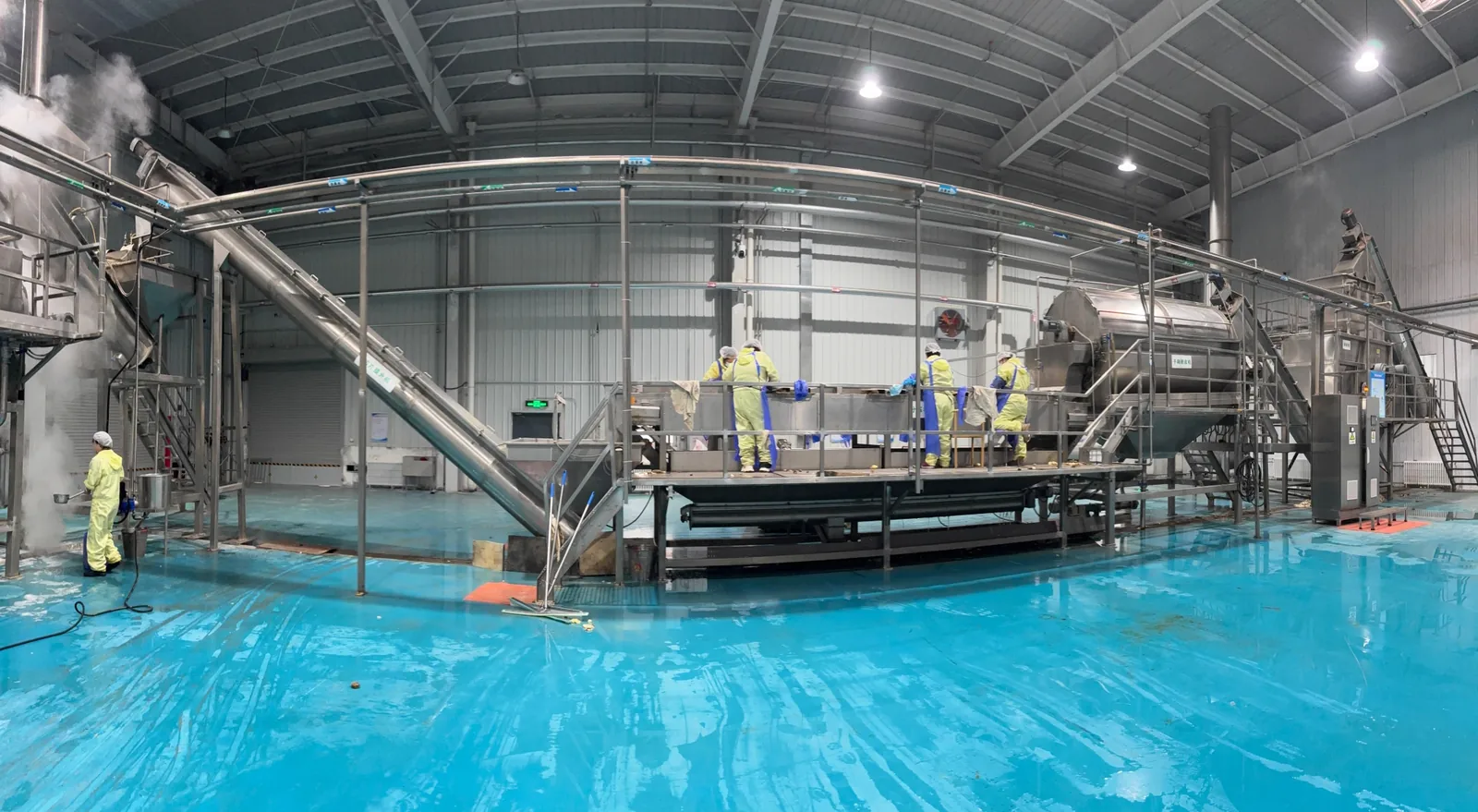
Potato processing factory floor at Junsheng, China - production lines for food-grade potato flakes and granules

Evidence Chain

What a buyer should be able to verify before approving a supplier.

Instead of repeating general capacity claims, this checkpoint focuses on the records that connect raw material, processing, finished-batch release and shipment identity.

Incoming lotRaw-material or incoming-lot identity should be controlled before production starts.
In processRelevant process checks should be recorded at the points that affect the agreed product specification.
Batch releaseFinished product should be linked to the applicable release review and batch COA where provided.
Shipment linkLot, packaging and shipment records should allow the commercial batch to be traced through dispatch.

The exact record format depends on the product, batch and customer requirement. Ask for the current applicable documents rather than relying on a website summary.

Quality Control

Define the acceptance rules before comparing suppliers or batches.

A useful specification combines the parameter, test method, unit, sampling basis and acceptance limit. The same number can become misleading when suppliers use different methods or when a buyer compares a laboratory result with a different sampling plan.

Raw-material inspection

Incoming material control reduces variation before production begins. The exact checks depend on whether the batch is Potato Flakes, Potato Granules, Native Potato Starch or another functional potato ingredient.

Buyer check: ask which incoming criteria are linked to the grade you are approving.

Moisture

Moisture influences dry-product stability, handling and the basis on which other values are interpreted. Compare results only when the method and target range are aligned.

Buyer check: put the test method and accepted range into the commercial specification.

Particle size / mesh

Particle profile affects powder flow, dispersion, hydration and processing behavior. A single mesh description may not fully represent a distribution, especially for granulated or powdered products.

Buyer check: compare the same sieve method and link particle profile to your dosing and hydration test.

Bulk density

Bulk density affects storage volume, bag utilization, dosing and the practical cost of handling dry material. It is especially relevant when comparing Potato Flakes with denser Potato Granules.

Buyer check: use the same measurement method and evaluate how density affects your own logistics and feeding system.

Reducing sugars where applicable

For fried potato applications, reducing sugars can influence browning and finished color. The parameter is application-specific and should not be treated as equally critical for every use.

Buyer check: specify the target when frying color is commercially important.

Viscosity / functional tests

For potato starches and functional grades, viscosity, binding, water management or process stability may be more important than appearance alone. The method and process conditions determine whether the number is meaningful.

Buyer check: align the laboratory method with the functional behavior you need in the finished food.

Microbiology and food safety

Microbiological and food-safety requirements should follow the approved specification, quality plan and destination-market needs for the exact product.

Buyer check: confirm routine release items, limits and any additional market-specific requirements before ordering.

Batch identity and traceability

Lot coding and connected production, QC, warehouse and shipment records make it possible to investigate a variation or complaint without losing the identity of the supplied material.

Buyer check: keep the received lot code connected to your internal receiving and production records.

Website values and general quality statements do not replace the latest TDS, signed specification, agreed method or batch COA. If a parameter is critical to your finished product, include it in the commercial approval package before the first bulk order.

Laboratory & Technical Verification

Laboratory data is useful only when it answers a production question.

The role of testing is to connect the supplier’s grade definition with the buyer’s acceptance criteria and actual food-processing performance.

Use laboratory results to screen and release batches, then use your own application trial to confirm whether those results translate into acceptable hydration, texture, frying color, viscosity, binding or other finished-product behavior. For critical projects, agree the method before comparing numbers from different laboratories.

Review Technical Data
Junsheng quality laboratory testing potato flakes, potato granules and potato starch batches

Identity and routine analytics

Confirm the exact commercial grade and routine analytical items stated in the current TDS or agreed specification. Avoid approving a broad product family when your process depends on a narrower target.

Application-relevant testing

For Potato Flakes or Potato Granules, hydration, texture, particle profile or bulk density may be central. For starch grades, viscosity and processing performance may be the more useful comparison.

Method alignment

A result without a method can create false comparisons. Agree test method, sample preparation, temperature, equipment and reporting unit whenever the parameter is important to acceptance.

Retained sample and investigation

Keeping representative batch information and retained samples where applicable supports troubleshooting when a commercial lot behaves differently from the approved trial.

Certifications & Supplier Documents

A certificate logo is a starting point; the current document and its scope are what QA should approve.

This website already presents food-safety and market qualification references. For an actual supplier audit, request the current files and verify the certificate holder, production site, validity period, scope and relevant product coverage.

FSSC 22000HACCPHalalGreen FoodNon-GMOBulk Export Supply

Certification and declaration requirements vary by product, customer and destination market. Displayed references should not be treated as a guarantee that every certificate applies to every grade or country; confirm the current document package for the exact order.

TDS — Technical Data Sheet

Use the current TDS to confirm product identity, grade description, key analytical or functional references, packaging, storage and other product-specific information.

COA — Batch Certificate of Analysis

The COA connects the commercial shipment to actual batch results for agreed release items. Confirm in advance which parameters are routine and which require special testing.

Certification package

Review the current applicable certificates and declarations rather than screenshots or logos. Check holder, site, scope, expiry or validity status and product coverage.

Commercial and shipment documents

Quotation, packing information, lot details and export documentation should match the exact product, quantity, packaging and shipping route agreed for the order.

Batch Traceability

Traceability should connect the approved specification to the bag received at your factory.

For repeat buying, the useful question is not only whether a supplier “has traceability,” but whether lot identity remains connected through production, QC release, warehouse handling and shipment records.

01

01 · Grade and purchase specification

Begin with a clearly identified grade and approved specification so the commercial batch has a defined target rather than a generic product name.

02

02 · Production and QC lot identity

Production records, test results and release decisions should use a consistent batch identity that can be followed into finished packaging.

03

03 · Warehouse and shipment linkage

Lot code, quantity and storage or loading records should remain connected so the shipped material can be matched to the released batch.

04

04 · Buyer receiving records

Keep supplier lot code, COA, receiving date and your own production-use record together. This makes supplier-buyer investigation much faster if performance changes.

For a new supplier, ask for a sample traceability explanation during qualification. For repeat orders, keep the same batch-identification discipline on the buyer side so historical performance can be compared objectively.

Warehousing & Storage

Quality control continues after the bag is sealed.

Dry potato ingredients need controlled identification and storage handling so the released batch arrives at loading without losing its lot integrity or packaging condition.

Warehouse review should cover lot separation and identification, packaging condition, stock rotation, protection from moisture or physical damage, and the handoff from released inventory to shipment preparation. Exact storage conditions should follow the current product document for the grade purchased.

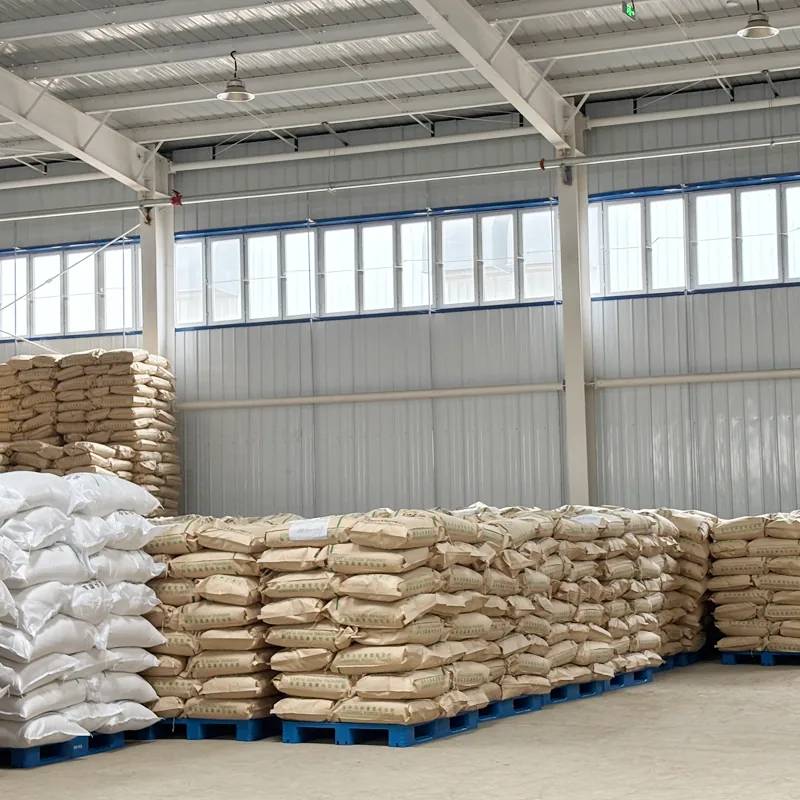
Junsheng warehouse storing palletized 25 kg bags of potato ingredients

Lot identification

Maintain clear batch identity from finished packing through storage and loading so mixed or ambiguous inventory does not weaken traceability.

Packaging protection

Inspect bag integrity and handling condition. Packaging is part of product protection and should remain suitable for the agreed transport and warehouse route.

Storage conditions

Follow the grade-specific storage instructions in the current technical document and manage moisture, contamination and physical damage risks during storage.

Stock rotation and release status

Released, held or otherwise controlled stock should be distinguishable, and shipment preparation should use the correct approved inventory for the order.

Export Logistics & Loading

The final quality handoff happens when the correct released lot becomes the correct shipment.

For international buyers, loading is part of supplier qualification because product identity, packaging, quantity and documents must stay aligned through the export process.

25 kg export packaging reference

The site uses 25 kg as a common export bag reference for core dry potato ingredients. Confirm the exact bag structure, labeling and any private-label requirement in the current quotation.

Container and handling plan

Discuss palletization, loading pattern and container requirements according to the product, destination and buyer preference. The commercial plan should protect packaging and preserve lot identification.

FOB / CIF / CFR discussion

Trade terms should be confirmed for the actual destination, quantity and shipment. Freight and local requirements can change, so use the current quotation rather than an old website example.

Document matching before dispatch

Product name, grade, batch identity, quantity, packaging and shipment documents should be checked for consistency before dispatch to reduce receiving and customs discrepancies.

Product-Specific Quality Priorities

Potato Flakes, Potato Granules and potato starch should not be audited with one generic checklist.

The same supplier may produce several potato ingredient families, but the quality parameters that influence your finished food are different. Start with the correct product family and then define the critical-to-quality items for your application.

Food-grade Potato Flakes

Potato Flakes quality review

For bulk Potato Flakes, buyers commonly connect moisture, particle profile, bulk density, hydration and batch consistency to the actual application. When frying color matters, reducing sugar should be discussed as an application-specific control rather than a generic label claim.

Review Potato Flakes →

Bulk Potato Granules

Potato Granules quality review

For Potato Granules, particle profile, moisture, bulk density, free-starch direction, rehydration behavior and prepared texture can all influence dry-mix handling and final mashed-potato performance. Validate the grade using your own preparation method.

Review Potato Granules →

Native & Functional Potato Starch

Potato starch quality review

Native, pregelatinized and modified potato starches are selected mainly for functional performance. Use the exact grade, agreed test method and real process conditions to evaluate viscosity, binding, water management or processing stability instead of comparing appearance alone.

Review Potato Starch →

Buyer Audit Checklist

Before approving a potato ingredient supplier, make these items explicit.

A structured checklist reduces the risk of approving a sample but leaving the commercial order undefined. The objective is to turn a good trial into a repeatable purchasing standard.

Use this list during RFQ, sample evaluation and supplier approval. Add your company-specific food-safety, regulatory and destination-market requirements where needed.

  • Exact product family and commercial grade
  • Finished-food application and process conditions
  • Current TDS and agreed specification
  • Critical parameters, methods, units and acceptance limits
  • Batch COA and release-test expectations
  • Current certification and declaration package required by the buyer
  • Lot coding, traceability and retained-record expectations
  • Packaging, labeling, storage and container plan
  • Sample or pilot trial using the buyer’s real process
  • Annual volume, shipment frequency, destination and trade term

RFQ · Samples · TDS · COA

Need to qualify our factory or a specific potato ingredient grade?

Send your product, application, target specification, annual volume, destination market and required audit documents. We can then organize the discussion around the exact grade and commercial supply plan you need.