Bakery Application Solution

Potato Flakes & Potato Starch for Bakery Applications

If you manufacture bread, rolls, buns, baked snacks, gluten-free bakery products or frozen dough, potato ingredients should be selected by the function you need in the finished product. Food grade Potato Flakes can contribute potato solids, water absorption, potato flavor and a softer eating profile, while Native Potato Starch can support structure and texture in heated systems. Pregelatinized Potato Flour or Modified Potato Starch may be more appropriate when the process needs rapid hydration or a more specific stability profile.

Use this bakery application guide to compare potato flakes for bakery, potato starch for bakery, potato ingredients for gluten-free products and OEM or ODM ingredient options. Share your flour system, target moisture, mixing process, fermentation, baking profile, frozen-dough conditions and expected shelf-life texture so candidate grades can be evaluated in the same recipe rather than by supplier claims alone.

Potato Flakes for BakeryNative Potato StarchGluten-Free StructureMoisture RetentionFrozen Dough EvaluationOEM / ODM Support
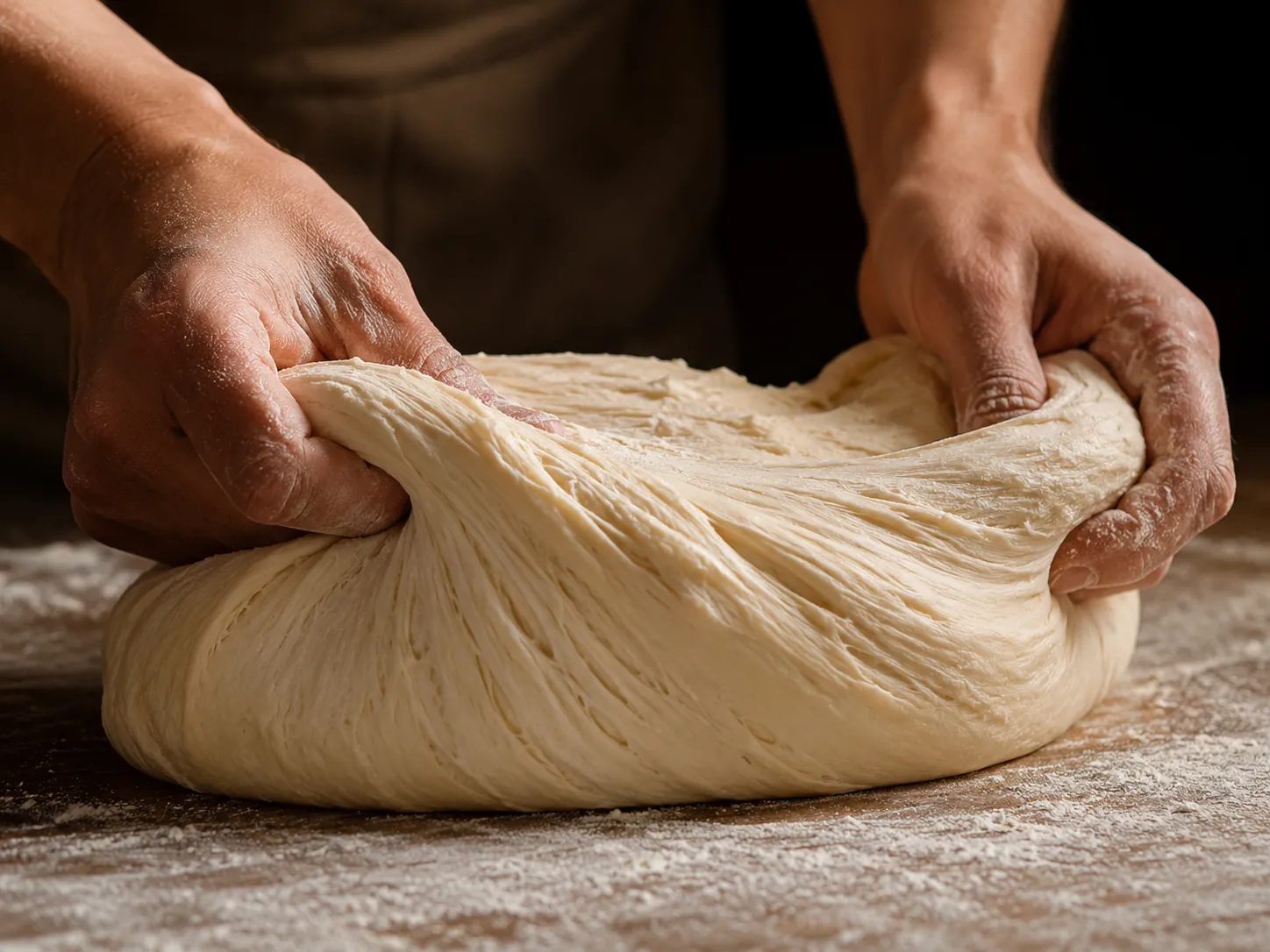
Potato flakes for bakery - dough mixing for bread and baked goods

Why this route is worth testing

Bakery Applications

Bakery and gluten-free formulations may use potato flakes for bakery products when moisture absorption, potato solids or softness are useful, while native potato starch can support structure and texture in heated systems. The correct route depends on dough water balance and the role each ingredient must perform.

Evaluate dough absorption, mixing tolerance, machinability, proofing, bake loss, crumb texture and storage softness. Do not treat Potato Flakes as a universal bakery improver or assume Potato Starch can replace a complete flour system without formulation work.

What each potato ingredient contributes to the formulation

Potato Flakes and Potato Granules are dehydrated whole-potato ingredients, while Native, Pregelatinized and Modified Potato Starches deliver more concentrated starch functionality. For bakery applications, choose by dough behavior, heating route, storage condition and finished-product target instead of treating every potato powder as interchangeable.

Potato Flakes

Best starting route when you need dehydrated potato solids, fast rehydration, potato flavor and body. Frequently evaluated for fabricated chips, instant mash, bakery, croquettes, snacks and prepared foods. For fried applications, reducing sugar and frying color deserve specific attention.

View product details →

Potato Granules

Best starting route when you need dehydrated potato solids with controlled rehydration, lower-stickiness direction, dense bulk handling and good dry-mix behavior. Especially relevant to instant mashed potatoes, foodservice, portioned dry mixes and selected prepared foods.

View product details →

Native Potato Starch

Best starting route for heated systems that need thickening, gelling, binding or moisture management without a modified starch. It generally requires sufficient heating to gelatinize and should be tested with the actual pH, solids and shear conditions.

View product details →

Pregelatinized Potato Flour

Best starting route when rapid hydration, cold- or warm-water dispersibility, instant thickening, water uptake or early-stage binding is needed before full heating. It is not automatically the best route for strong acid, retort or freeze-thaw stress.

View product details →

Modified Potato Starch

Best starting route when the process requires functionality beyond standard native starch, such as improved tolerance to specific heat, acid, shear, holding or freeze-thaw conditions. Select the exact grade by process requirements and sample validation.

View product details →

Control the variables that determine bakery performance

When two ingredient samples are tested with different water, mixing or baking conditions, the comparison is not meaningful. Record the same formula, operating settings and finished-product measurements for the approved control and every candidate supplier sample.

Control pointWhy it mattersWhat the buyer should record
Ingredient moisture & solidsDifferent ingredient moisture changes the effective dry matter and water balance of the formula.Supplier specification, lot result when available, total formula water and corrected solids basis.
Particle profileFlakes, granules and starch disperse differently and can change dough uniformity or visible specks.Mesh or particle reference, preblending method, dispersion after mixing and any agglomeration.
Water absorptionPotato Flakes can increase water demand, but excess water can weaken machinability or create sticky dough.Added water, final dough temperature, dough consistency, mixer load and handling at dividing or sheeting.
Mixing & dough developmentThe same formula can behave differently when mixing time or energy changes.Mixer type, speed, mixing time, dough temperature, development point and resting time.
Fermentation / proofingWater balance and dough strength can influence gas retention and final volume.Proof time, proof temperature, dough height, gas retention and any collapse before baking.
Bake profile & bake lossOven temperature and time affect crust, internal moisture and final yield.Oven type, set temperature, actual bake time, pre-bake weight, post-bake weight and internal temperature when relevant.
Shelf-life textureA soft product at hour zero may firm rapidly during storage.Crumb firmness, moisture, resilience, sensory texture and package condition at defined day-zero and later checkpoints.

Potato Flakes for Bakery Moisture Management

Treat water absorption as a formulation variable, not a marketing claim

Potato Flakes for bakery can increase water absorption and help create a softer, more substantial eating profile in selected formulas. That can be useful, but the value appears only when the added water is balanced against flour strength, starches, sugar, fat, protein and the actual mixing and baking process.

If water is increased without controlling dough temperature and development, the dough may become sticky, weak or difficult to divide and mould. If water is not increased enough after adding Potato Flakes, the finished product may become dense or dry. Run a small water ladder around the control formula instead of testing one arbitrary water level.

For shelf-life claims, measure the product after cooling and during the real storage period. Moisture retention should be interpreted together with crumb firmness, resilience, package condensation, microbial controls and sensory acceptance. A higher moisture reading alone does not prove a better or longer-lasting bakery product.

  • Water added per 100 kg dry mix
  • Final dough temperature
  • Mixer load and development time
  • Dough stickiness and machinability
  • Bake loss and finished weight
  • Crumb firmness after cooling
  • Texture after defined storage days
  • Package condition and visible condensation
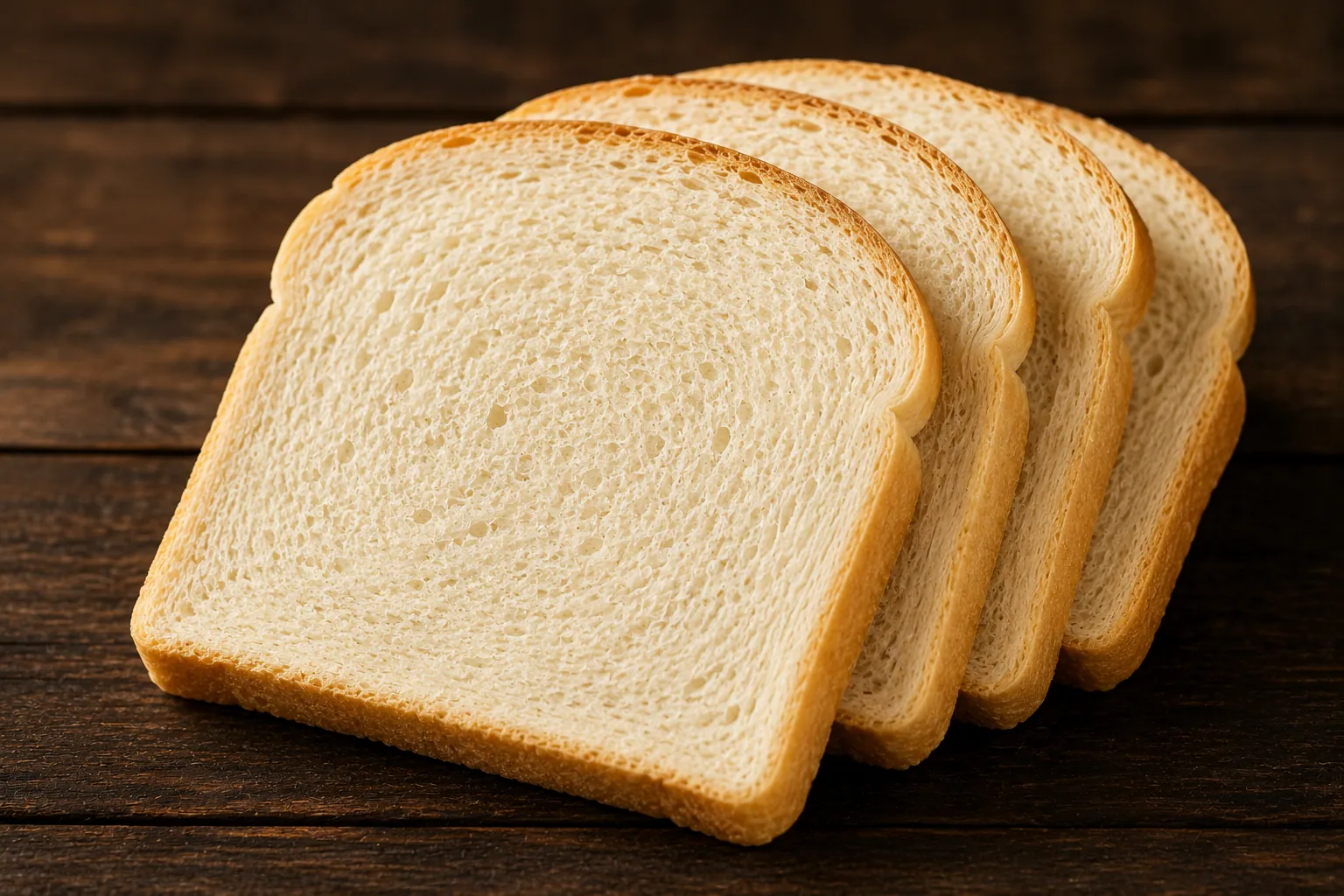
Potato flakes improving moisture retention in bakery dough
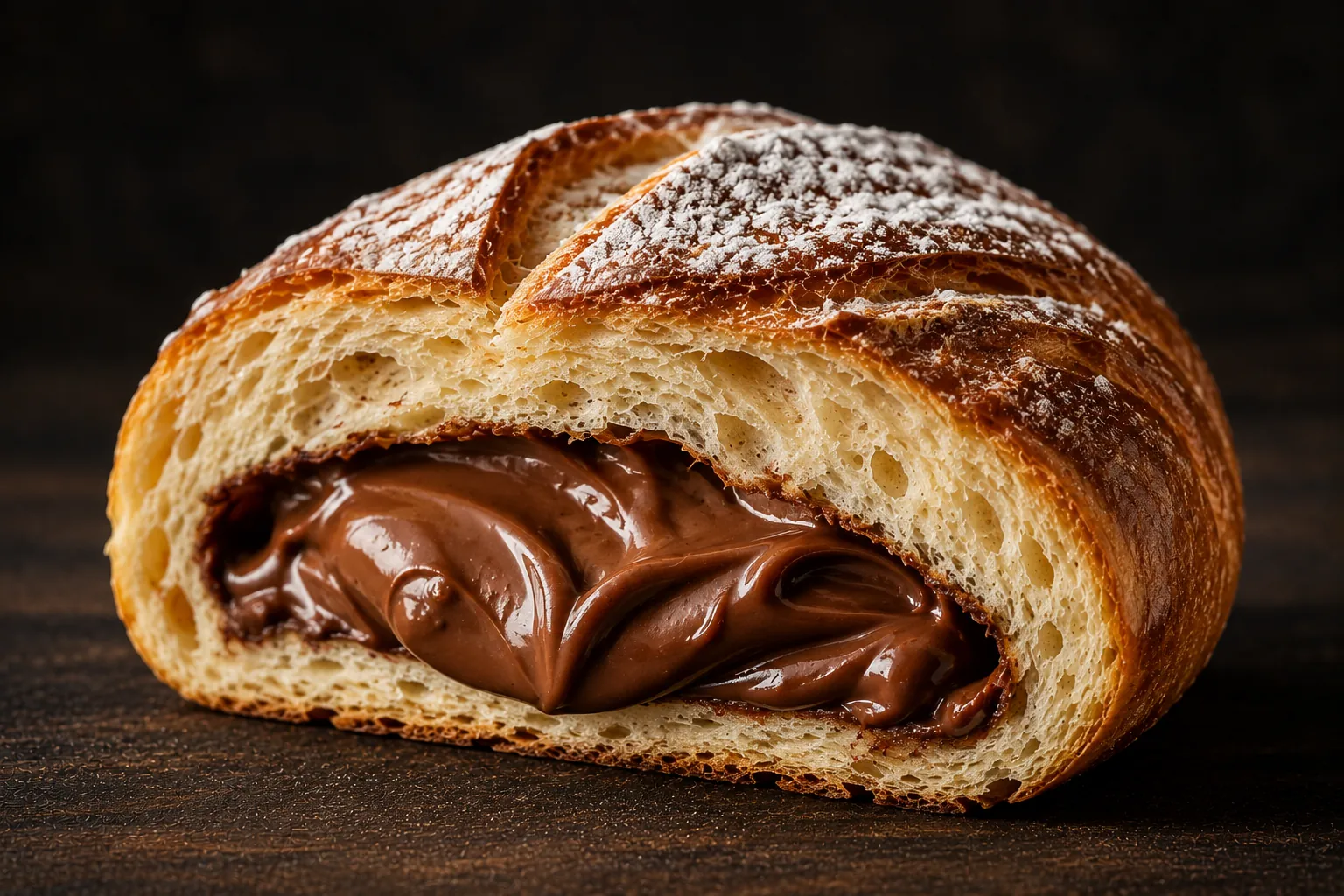
Gluten-free bakery products made with potato flakes and native potato starch

Gluten-Free Bakery Systems

Use potato ingredients as part of a complete structure-building system

Native Potato Starch is relevant to gluten-free formulation work because it can contribute starch structure after heating. Potato Flakes can add whole-potato solids, hydration and a different eating texture. Neither ingredient should be presented as a stand-alone replacement for the complete structural function of gluten.

A gluten-free bread or bun may also rely on rice, corn or other starches, hydrocolloids, fibers, proteins, emulsifiers, fats and process control. Compare loaf volume, crumb openness, resilience, slicing, gumminess and moisture migration rather than approving an ingredient from batter viscosity alone. If functionality is needed before full baking heat develops, Pregelatinized Potato Flour may be worth screening; if storage or freezing creates instability, evaluate a specific Modified Potato Starch grade.

  • Batter or dough viscosity
  • Depositability / mouldability
  • Proof expansion
  • Bake volume
  • Crumb cell structure
  • Resilience after cooling
  • Gumminess
  • Slicing quality
  • Day-two and later texture
  • Freeze-thaw behavior when relevant

Frozen Dough & Par-Baked Products

Validate the ingredient after the complete freeze, thaw, proof and bake cycle

A frozen dough can perform well before freezing and fail after storage because freezing changes water distribution, yeast activity and dough structure. Potato Flakes, Native Potato Starch or other functional potato ingredients should therefore be evaluated after the actual frozen-storage interval used by the customer.

Keep freezing rate, package, storage temperature, storage time and thaw procedure the same for the control and candidate. Compare proof time, dough handling, baked volume, crust color, crumb texture and moisture. Do not describe Pregelatinized Potato Flour as automatically freeze-thaw stable; its primary value is rapid hydration. If freeze-thaw or long frozen storage is the main technical problem, include an appropriately selected Modified Potato Starch grade in the trial.

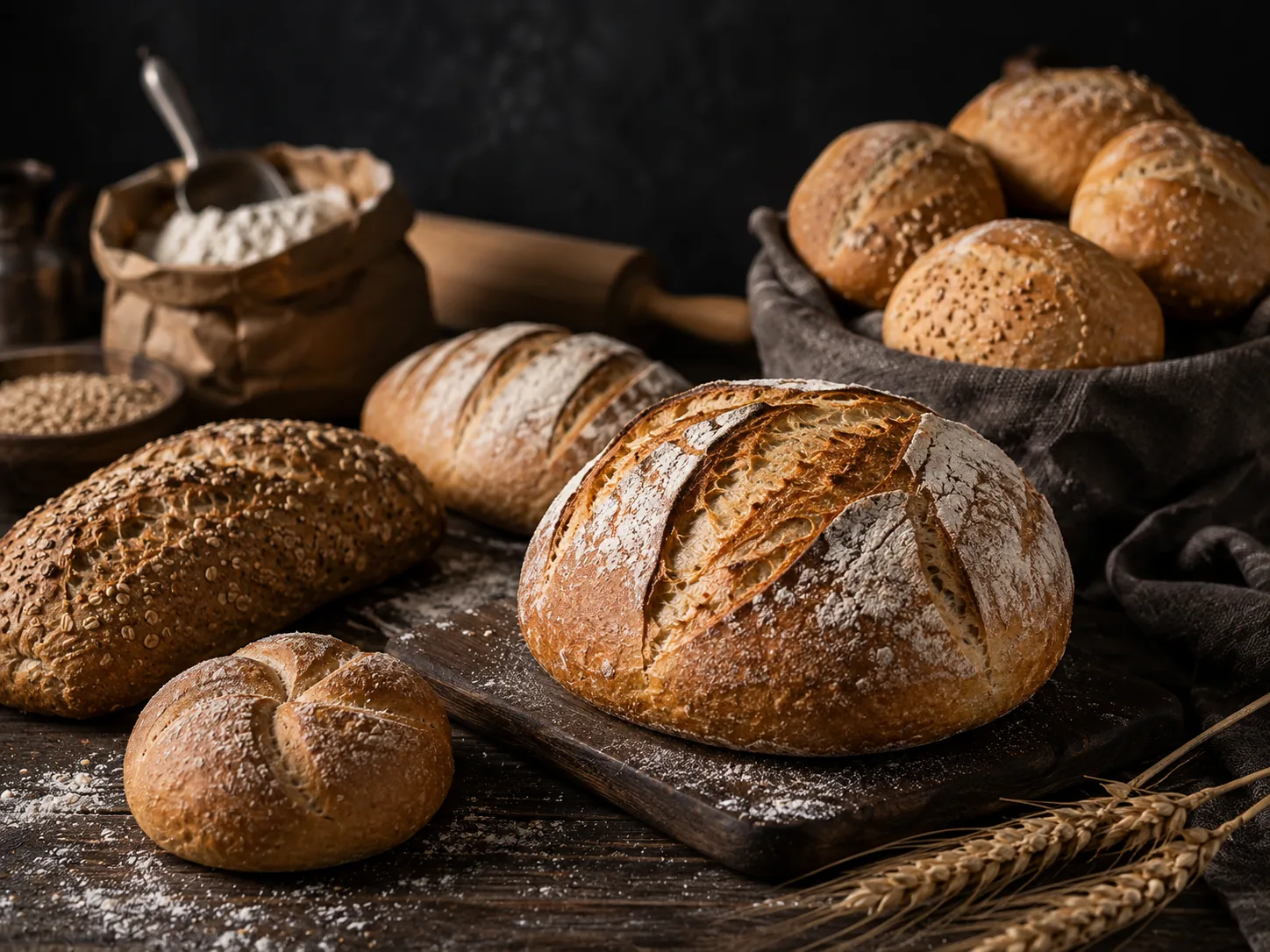
Frozen dough and par-baked bakery products made with potato ingredients

A practical ingredient-selection workflow before requesting a full-container quotation

Translate the finished bakery target into measurable ingredient requirements, then keep the control recipe and processing conditions stable. The best supplier is the one that delivers repeatable dough behavior and finished-product quality, not the one that performs well only after the process has been adjusted around the sample.

1. Define the finished product

State exactly what you manufacture and what success means: frying color, mash texture, expansion, sauce viscosity, cook yield, moisture retention, freeze-thaw stability, holding time or another measurable result.

2. Describe the process

Share water ratio, temperature, mixing, shear, frying, extrusion, baking, filling, freezing, reheating and storage conditions. Ingredient performance cannot be separated from the process that activates or stresses it.

3. Shortlist the ingredient family

Choose whether the first trial should focus on Potato Flakes, Potato Granules, Native Potato Starch, Pregelatinized Potato Flour or Modified Potato Starch. More than one route may be tested when functions overlap.

4. Run a controlled sample trial

Keep the formulation, equipment settings and test method constant. Change one meaningful variable at a time and record both process behavior and finished-product performance.

5. Lock the commercial specification

After approval, align the TDS, agreed test methods, signed specification, packaging, COA items, MOQ, lead time and shipment terms so the commercial batch is judged against the same criteria as the approved sample.

Potato Flakes, Native Potato Starch or Pregelatinized Potato Flour?

These ingredients solve different bakery problems and are not interchangeable at 1:1. Use the table as a starting point, then validate the formula on your own mixer, proofer and oven.

Decision factorPotato FlakesNative Potato StarchPregelatinized Potato Flour
Primary roleWhole-potato solids, potato flavor, water absorption and body.Starch structure, binding and texture after sufficient heating.In bakery systems, rapid hydration can support early water uptake and viscosity before full heating, helping manage dough or batter moisture and structure.
When to test firstWhen the product needs potato identity, added solids, moisture management or a softer eating profile.When the heated formula needs starch structure or a gluten-free starch component.When the process needs functionality during cold or short mixing before full baking heat develops.
Main bakery cautionWater must be rebalanced and dough handling must be revalidated.Performance depends on sufficient gelatinization and the complete starch or hydrocolloid system.Rapid hydration can create lumps or excessive early viscosity if addition order and mixing are not controlled.
Typical evaluationWater absorption, dough handling, bake loss, crumb texture and storage firmness.Batter viscosity, volume, crumb structure, resilience and final texture.Dispersion, mixing behavior, early binding, finished texture and processability.
Not a direct substitute forNative or modified starch function.Whole-potato solids and potato flavor from flakes or granules.A grade-specific Modified Potato Starch selected for demanding process stability.

OEM / ODM application development: customize the ingredient around your process

If a standard grade does not fit your bakery process, we can discuss measurable product-property targets and packaging requirements. Customization remains subject to technical feasibility, raw-material capability, MOQ, agreed methods, sample validation and a signed commercial specification. For Potato Flakes, this may include particle, moisture, bulk-density direction, hydration or water-absorption behavior; for starch products, the correct Native, Pregelatinized or Modified route should be selected before numerical targets are fixed.

Product Attribute Targets

Depending on the product family, discuss particle profile, bulk density, reducing sugar direction, hydration, free starch, viscosity, water retention, binding or other measurable attributes that are relevant to the finished product.

Application-Led Grade Development

Share a benchmark product, current supplier specification or target process result. The technical discussion can then shortlist a suitable grade and define what must be demonstrated in the sample or pilot trial.

Packaging & Private Label

After the product specification is approved, discuss bag weight, bag material, multilingual labels, private label, barcode / QR, outer marks, palletization and container-loading requirements.

Scale-Up & Batch Control

A successful lab sample is not the end of qualification. Confirm scale-up behavior, the first commercial batch, retained samples, agreed COA items and the change-control process for repeat orders.

Use samples, TDS and COA as one qualification package

Use documents together with the actual bakery trial. A TDS or certificate can confirm identity and limits, but it cannot replace performance testing in your flour system, process and storage conditions. Keep the approved formula, process settings, sample lot and acceptance results so future commercial batches can be compared on the same basis.

Sample

Use a representative sample in the real or representative process. Record formulation, equipment settings, test conditions and finished-product results so the trial can be repeated.

TDS

Use the Technical Data Sheet to understand the intended grade, specification framework, relevant analytical limits, storage and packaging. Confirm that the TDS refers to the exact commercial grade being offered.

COA

Use the Certificate of Analysis to verify the actual shipment batch against agreed tests and limits. The COA should support—not replace—the signed commercial specification.

Certification & Compliance

Check certificate scope, site, validity, ingredient statement and destination-market requirements rather than relying only on certification logos displayed on a website.

Why this route is worth testing

Compare bakery ingredient suppliers by production value, not only price per ton

A lower ingredient price can be offset by higher water adjustment, slower mixing, unstable dough, lower volume, higher bake loss, more rejects or faster crumb firming. Compare the cost and consistency of the finished bakery product rather than the raw material invoice alone.

Ask suppliers to provide the exact grade, current TDS, representative sample, batch COA route, MOQ, lead time and export terms. Then run the same bakery protocol and compare usable yield, line efficiency, product quality and batch-to-batch repeatability before approving a long-term supplier.

  • Exact commercial grade and sample lot
  • Moisture and particle specification
  • Water absorption impact
  • Dough machinability
  • Proofing and baked volume
  • Bake loss and finished yield
  • Crumb structure and softness
  • Texture after storage
  • Gluten-free or frozen performance when relevant
  • TDS and batch COA
  • Traceability and change control
  • MOQ and lead time
  • Packaging and palletization
  • FOB / CFR / CIF support
  • Technical response during trial

Bakery ingredient buyer questions

What do Potato Flakes do in bakery products?

Potato Flakes can contribute whole-potato solids, potato flavor, water absorption and a fuller or softer eating profile in selected breads, buns, savory bakery products and dry mixes. Their effect depends on flour strength, total starch system, water, fat, sugar, protein, mixing and baking conditions, so the formula should be rebalanced and validated rather than using a universal dosage.

Can Potato Flakes make bread softer for longer?

They can influence water distribution and crumb texture, but a longer shelf-life claim cannot be made from ingredient name alone. Compare crumb firmness, resilience, moisture and sensory quality at defined storage days in the final package. Yeast, enzymes, emulsifiers, fats, process and packaging can all affect the same result.

Are Potato Flakes suitable for gluten-free bakery products?

They can be part of a gluten-free system because they add potato solids and hydration, but they do not replace the complete structural role of gluten by themselves. Gluten-free products normally require a coordinated starch, hydrocolloid, protein, fiber and process system. Native Potato Starch may also be an important component depending on the product.

When should I use Native Potato Starch in bakery?

Native Potato Starch is a useful starting point when the heated system needs starch structure, binding or a gluten-free starch component and the process provides enough heat and moisture for gelatinization. If functionality is needed before baking or under more demanding storage conditions, Pregelatinized or Modified Potato Starch may be more appropriate.

Can Potato Granules be used in bakery formulas?

Yes, in selected products. Potato Granules can be screened when denser dry handling, controlled rehydration or a less cohesive potato texture is useful. They are not automatically interchangeable with Potato Flakes, so compare water demand, dough behavior and final texture under the same formula.

How should I test Potato Flakes in a bread or bun formula?

Start from the approved control, define the flakes addition, then run a controlled water ladder if water absorption is expected to change. Keep mixer, dough temperature, proofing and oven conditions constant. Compare dough machinability, proof volume, bake loss, crumb texture and storage firmness before selecting a commercial grade.

Are pregelatinized potato ingredients automatically better for frozen dough?

No. Pregelatinized Potato Flour is mainly useful for rapid hydration and early binding. Frozen-dough performance depends on the complete formula, freezing rate, storage time, thawing and yeast or dough structure. If freeze-thaw stability is the central problem, a specific Modified Potato Starch grade may need to be included in the trial.

Can you customize Potato Flakes or Potato Starch for bakery applications?

Within technical feasibility, OEM or ODM projects can discuss particle profile, hydration, water-absorption direction, viscosity or texture targets, packaging and private-label requirements. Final targets must be confirmed by an agreed test method, sample validation, MOQ review and signed specification.

What information should I send for a bakery ingredient recommendation?

Send the finished product, current ingredient system, batch size, target dosage range, total water, mixer, mixing time, dough temperature, proofing, oven profile, storage method, target shelf-life texture and the problem you want to improve. This allows a more useful Potato Flakes or Potato Starch sample shortlist.

What documents should a bakery ingredient supplier provide?

Request the current TDS, batch COA route, ingredient or allergen information and applicable certification documents for the exact grade. For commercial approval, keep your own trial record and signed specification so future batches can be compared against the same acceptance basis.

RFQ · Samples · TDS · COA

Tell us what you bake and what you need to improve

Share your bread, bun, gluten-free product, savory bakery item or frozen-dough process together with water, mixing, proofing, baking and storage conditions. We can help you shortlist Potato Flakes, Native Potato Starch, Pregelatinized Potato Flour or another suitable potato ingredient for a controlled trial.