Functional Potato Ingredient · Rapid Hydration

Pregelatinized Potato Flour for Instant Thickening and Water Management

If your process cannot rely on full thermal gelatinization, pregelatinized potato flour gives you a faster route to viscosity, water absorption and binding. It is designed for food manufacturers that need functional performance soon after mixing in cold, warm or shortened-heating systems.

Use this page to compare hydration route, dispersibility, viscosity development, water retention, mixing sequence and finished-product texture before choosing a grade. If your main challenge is acid, severe shear, retort or demanding freeze-thaw stability, we will also help you compare Modified Potato Starch rather than treating pregelatinization as a universal solution.

Cold- or warm-water hydrationRapid viscosity developmentWater absorption and retentionBinding for instant and prepared foods
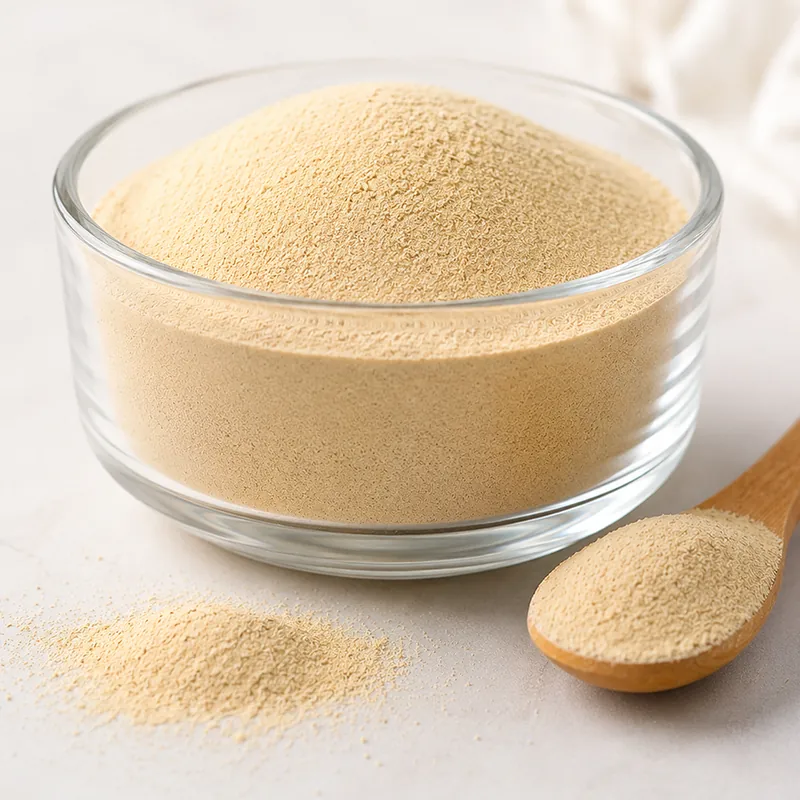
Pregelatinized potato flour powder for instant thickening - food-grade bulk supply from Junsheng

Start with Your Process

When should you consider pregelatinized potato flour?

Choose the ingredient by processing limitation and finished-product target, not by the word pregelatinized alone. These three situations are practical starting points for procurement and R&D teams.

01

You need thickening without a full cooking step

For instant soups, seasoning systems, fillings, cold-mix preparations or processes with limited heating, standard Native Potato Starch may not receive enough thermal energy to gelatinize. Pregelatinized Potato Flour can develop viscosity much earlier, but dispersibility and lump control still need to be tested in the actual mixing sequence.

Review soups and sauces →
02

You need faster water absorption and binding

Prepared foods, meat systems, frozen fillings and some dry mixes may need fast water uptake before later processing begins. A suitable pregelatinized potato grade can help bind added water and build body, but the correct dosage depends on salt, protein, fat, hydrocolloids and shear in the complete formula.

Review prepared-food applications →
03

Your process stress is higher than pregelatinization alone can solve

If the main problem is strong acid, severe shear, long hot holding, retort processing or repeated freeze-thaw, do not assume pregelatinization is enough. Compare a Modified Potato Starch and validate the exact processing stress before approving the route.

Compare Modified Potato Starch →

Product Understanding

What is pregelatinized potato flour?

Pregelatinization changes how a potato-based functional ingredient interacts with water, allowing useful viscosity or binding to develop much earlier than with conventional native starch.

In a standard Native Potato Starch system, the starch normally needs enough heat, water and time to gelatinize before strong thickening develops. A pregelatinized potato ingredient has already undergone a controlled pre-cooking or gelatinization step during manufacture, so it can hydrate and begin contributing viscosity in cold or warm water without waiting for the same full heating cycle.

Not every pregelatinized grade behaves the same. Particle structure, degree of pregelatinization, viscosity profile, dispersibility, water demand and sensitivity to mixing can all change how quickly the powder wets out and what texture it creates. The meaningful purchasing question is how the exact grade performs in your formula and equipment.

Pregelatinized Potato Flour is also different from Potato Flakes and Potato Granules. Flakes and granules are the two core dehydrated whole-potato ingredients on this website, contributing potato solids, flavor and characteristic texture. Pregelatinized flour is selected primarily for functional hydration, thickening, water management or binding, although the ingredients can be combined when each has a clearly defined job.

Specification and Qualification

Which specifications should a buyer confirm before approval?

Because pregelatinized potato flour is purchased for function rather than one universal numeric profile, the commercial specification should focus on the characteristics that control dispersion, viscosity, water binding and batch consistency. Final limits must come from the selected grade TDS and signed specification.

Product identityPregelatinized potato-based functional powderConfirm the exact commercial grade and ingredient declaration rather than relying on the family name alone.
Hydration routeRapid hydration in cold or warm waterValidate actual water temperature, addition sequence, mixing energy and rest time used in your process.
Viscosity / thickeningApplication-specific targetUse an agreed method because solids level, temperature, hydration time and shear can change the reported value.
DispersibilityGrade- and process-dependentCheck floating, fish-eyes, lump formation and wet-out under the actual powder-addition method.
Water absorption / retentionApplication-specificMeasure water management in the complete formula rather than treating one laboratory value as the finished-product result.
Moisture / appearanceConfirm by current TDSReview color, odor, moisture and any customer-specific physical requirements during qualification.
Documents and packagingTDS, batch COA and food-grade export packingConfirm bag weight, label language, lot identification, palletization and destination-market documentation before the first order.

Do not copy a viscosity value, dosage or water ratio from another formula and treat it as a guarantee. Pregelatinized systems are especially sensitive to concentration, mixing order, shear and other water-binding ingredients, so the safest approval combines measurable incoming limits with an application trial.

Technical Performance

Six technical factors that control performance in your plant

A pregelatinized potato flour is purchased for what it does during mixing and preparation. These factors should be evaluated together because very rapid hydration can improve instant functionality while also changing lumping risk, mixing demand and final texture. Technical review can include particle or mesh size, moisture content, bulk density, color, flavor, odor, microbiological specification, shelf life, storage conditions, food safety, traceability, cold-water viscosity, instant viscosity, water absorption, dispersion, hydration rate, binding capacity, thickening performance, texture and cold swelling. Halal and FSSC 22000 evidence should be checked against current scope; if Kosher evidence is required, request it separately. These parameters should be connected to the actual cold- or warm-water preparation method.

01

Dispersibility and wet-out

Fast hydration is only useful when the powder disperses evenly. Test whether it floats, forms fish-eyes or creates surface lumps, and compare dry blending, direct addition and different shear levels. Powder addition rate and mixer geometry can matter as much as the ingredient itself.

02

Hydration speed

Record how quickly the system builds body after contact with water and how long it takes to reach a stable texture. Instant products may need very rapid functionality, while an industrial prepared-food line may prefer a slightly more controlled build to protect pumping and filling consistency.

03

Viscosity development

Compare viscosity under the same solids, temperature, hydration time and shear history. A high laboratory reading is not automatically better if it causes poor pumping, over-thick filling or excessive pastiness in the finished food.

04

Water absorption and retention

Evaluate how much water can be incorporated without separation, purge or an undesirable dry mouthfeel. In meat, fillings and frozen foods, measure the result after cooking, cooling or storage because the initial mix can look acceptable while later water migration still occurs.

05

Mixing sequence and shear

Salt, sugar, protein, fat, gums and other starches compete for water. Test whether the powder should be preblended with dry ingredients, added into moving water or introduced later in the process. Excessive shear can also change the developed structure.

06

Finished-product texture

Judge the ingredient by the customer-facing result: spoonability, cling, body, creaminess, bite, sliceability or filling stability. Technical acceptance should connect the powder specification to a processing and sensory target instead of approving viscosity data in isolation.

High-Intent Application · Instant and Short-Process Foods

Pregelatinized Potato Flour for Instant Soups, Sauces and Dry Mixes

This is one of the clearest applications for a fast-hydrating potato ingredient: the customer needs viscosity and body soon after water is added, often without enough heating time for Native Potato Starch to fully gelatinize.

For instant soup, gravy, sauce base, seasoning blend or quick-preparation filling, evaluate the full preparation route: dry blending, powder-addition rate, water temperature, agitation, rest time and the point at which viscosity should become noticeable. A product that thickens too aggressively can form lumps or become difficult to disperse; a product that hydrates too slowly may fail the preparation target.

Salt, acids, dairy solids, proteins, fats and other hydrocolloids can change hydration and perceived thickness. Run side-by-side trials using the real recipe and preparation method, then compare initial dispersion, viscosity after preparation, mouthfeel, holding stability and separation after standing. For higher acid or severe process stress, include Modified Potato Starch in the same screening plan.

  • Water temperature
  • Powder addition order
  • Dry-blend compatibility
  • Wet-out and lump formation
  • Time to target viscosity
  • Mixer or consumer stirring energy
  • Viscosity after standing
  • Mouthfeel and coating
  • Salt / acid interaction
  • Separation or water release
Discuss an Instant-Food Trial
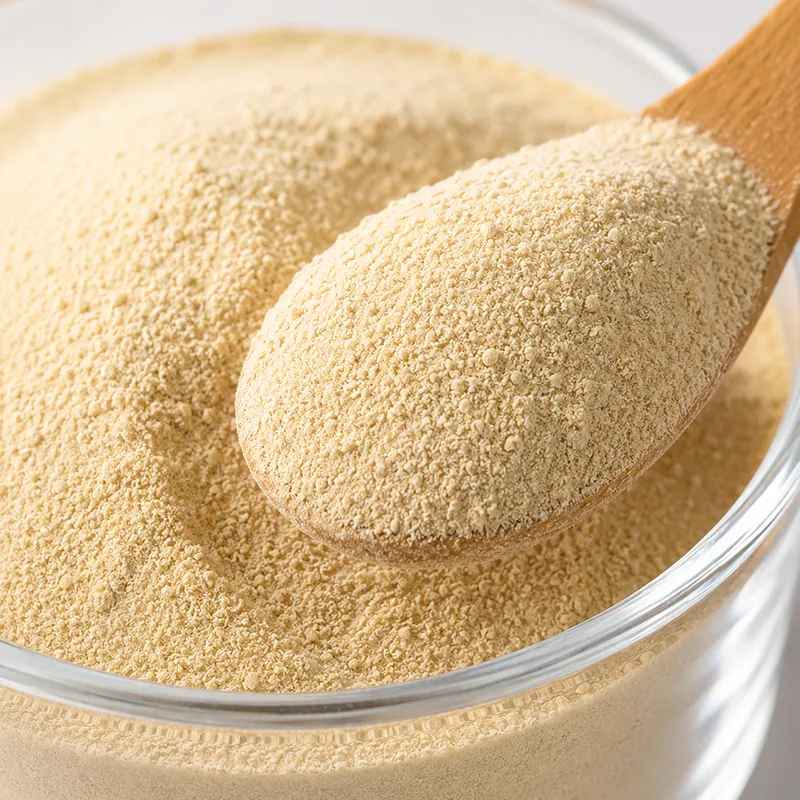
Pregelatinized potato flour hydrating instantly in cold water for dry mixes

Applications

Where can pregelatinized potato flour add functional value?

The right application is one where rapid hydration, water management or early binding solves a real process need. These examples show what buyers should test rather than promising one universal dosage for every formulation. Application programmes include cold-water or instant thickening, dry mixes, instant soups and sauces, seasoning mixes, bakery products and fillings, meat and processed meat, seafood, snack foods, batters and coatings, ready meals, convenience and frozen foods, fillings and gravy mixes, binding, water binding, texture improvement, viscosity building and other cold-process foods. Large-scale food manufacturing should validate dispersion, hydration speed, water demand and final body in the real mixing sequence rather than rely only on the term 'instant flour'.

Soups, sauces and gravies

Use pregelatinized potato flour when the process needs early viscosity, instant preparation or reduced cooking time. Test dispersion, cling, flow, reheating behavior and stability with salt, acid, fat and protein in the final recipe.

Explore soups and sauces →

Dry mixes and instant foods

In seasoning blends, instant meals and reconstitution systems, evaluate dry-flow compatibility, segregation, wet-out and time to target body. The grade should perform under the customer preparation method, not only under laboratory high-shear mixing.

Review sample evaluation →

Prepared and convenience foods

Fillings, formed foods and ready meals can use rapid hydration to build structure before cooking or packing. Check pumping, depositing, shape retention and texture after subsequent heating, cooling or storage.

Explore prepared foods →

Meat products

A suitable pregelatinized potato ingredient can support rapid water uptake and binding in selected meat systems. Measure cook loss, purge, sliceability and bite alongside protein extraction, salt, phosphates and other binders in the complete formula.

Explore meat products →

Frozen foods

Pregelatinized functionality can help establish initial body before freezing, but it does not automatically guarantee freeze-thaw stability. For demanding frozen storage, compare Modified Potato Starch and measure syneresis after the complete storage cycle.

Explore frozen foods →

Potato-based formulations

Potato Flakes or Potato Granules can provide potato solids, flavor and product identity while pregelatinized potato flour contributes additional binding or rapid viscosity. Use them together only when each ingredient has a defined job and total water demand is rebalanced.

Compare potato ingredient routes →

Choose the Correct Starch Route

Pregelatinized vs Native vs Modified Potato Starch

These product routes solve different processing problems. Start with water temperature, heating profile, pH, shear, holding, storage and label requirements before discussing price per metric ton. Common research questions include what pregelatinized potato flour is, how it works, its uses, where to buy or buy it in bulk, how cold-water thickening works, how to choose a grade, how to read viscosity or specification data, how to use it, how to evaluate quality and how to build a bulk buying guide. Compare pregelatinized potato flour with potato starch, potato flakes, potato granules and modified potato starch by hydration timing, function, process stress and cost-in-use rather than treating all potato powders as interchangeable.

Primary reason to useRapid hydration and early viscosity without full cookingStrong thickening after sufficient heating and gelatinizationEngineered process tolerance or targeted stability
Cold-water functionalityYes, depending on grade and mixingNo, standard native starch requires heatDepends on the specific modified grade
Heating requirementReduced or not required for initial functionalityRequired for gelatinizationApplication- and grade-dependent
Acid / severe shear toleranceDo not assume high tolerance from pregelatinization aloneLimited under demanding conditionsCan be selected specifically for higher tolerance
Freeze-thaw stabilityMust be validated; not automatically guaranteedOften limited for demanding frozen systemsSpecific grades can be designed for better stability
Best purchasing questionHow fast should it hydrate and what texture should it build?What viscosity and gel behavior do you need after cooking?Which processing stress must the starch survive?
Qualification routeSample dispersion and application trialHeating curve and finished-product trialProcess-stress trial using the exact commercial grade

Whole-Potato Ingredient Systems

How does pregelatinized potato flour work with Potato Flakes and Potato Granules?

This website is centered on Potato Flakes and Potato Granules as the two core dehydrated whole-potato ingredients. Pregelatinized Potato Flour is a supporting functional ingredient, so its role should be defined separately instead of treating all potato powders as interchangeable.

Potato Flakes for potato solids and faster whole-potato hydration

Food Grade Potato Flakes contribute dehydrated potato solids, characteristic potato flavor and body. Add pregelatinized potato flour only when the formulation also needs extra rapid binding, water management or viscosity beyond the role of the flakes.

Explore Potato Flakes →

Potato Granules for controlled rehydration and dense dry handling

Food Grade Potato Granules are selected for controlled hydration, lower free-starch behavior and dense dry handling in instant mash, foodservice and dry mixes. A pregelatinized flour can provide a separate thickening or binding function, but the combined water demand must be rebalanced.

Explore Potato Granules →

Use a functional potato powder only when it solves a defined problem

Do not add another potato ingredient simply because it shares the same raw-material origin. Define whether the problem is potato solids, hydration rate, viscosity, water retention, binding or process stability, then assign one function to each ingredient.

Use the potato ingredient selection hub →

OEM / ODM Product Customization

Can pregelatinized potato flour be customized for your application?

For qualified projects, we can discuss functional targets and packaging requirements within a stable, food-safe manufacturing window. Customization starts with the customer's process and a measurable target, then moves through sample validation before the commercial specification is locked.

Hydration and viscosity target

Discuss required hydration speed, working water temperature and a feasible viscosity or body target using an agreed test method. The objective is repeatable performance in the customer's real concentration and mixing condition, not the highest possible viscosity.

Dispersion and particle behavior

Where technically feasible, particle profile and dispersion behavior can be discussed to improve dry blending, wet-out or powder handling. Final acceptance should include the actual addition method because mixer type and addition rate strongly affect lumping.

Water retention and texture direction

Projects can define water-management, binding or texture objectives such as body, cling, cutability or reduced purge. Translate these objectives into measurable trial criteria rather than vague descriptions such as stronger or thicker.

Packaging, label and private label

Bag weight, multilingual label, customer branding, barcode or QR code, shipping marks, palletization and export documentation can be discussed for qualified OEM or ODM programs, subject to MOQ and destination requirements.

Sample and Factory Trial

How should you test a pregelatinized potato flour sample?

A useful sample test recreates the real hydration route and records both immediate and delayed performance. Because pregelatinized materials respond strongly to mixing sequence and water availability, supplier samples should be compared under identical conditions.

01

Define the process before requesting a sample

Provide finished product, batch size, water temperature, mixing equipment, addition sequence, total solids, pH, salt level, heating step and storage condition. This prevents a generic grade recommendation based only on the words instant thickener.

02

Run controlled side-by-side preparation

Use the same formula, ingredient weights, water temperature, mixer, mixing time and rest time for candidate and control. Record wet-out, lumping, time to viscosity and any change in pumpability or filling behavior.

03

Measure the finished product, not only the premix

Evaluate texture, water release, yield, reheating, holding and storage after the complete production process. If the product is chilled, frozen or hot-filled, include the relevant storage and recovery step in the trial.

04

Lock the commercial specification after approval

Once the customer accepts the grade, align the signed specification, agreed test methods, TDS, packaging, COA items and critical application checkpoints before routine bulk supply.

Documents and Quality Control

Which documents should a buyer request?

Technical documentation should identify the exact grade that was tested and ordered. A generic family brochure is useful for screening, but commercial qualification requires product-specific specification and batch evidence.

TDS

Use the current Technical Data Sheet to review product description, intended functionality, analytical or physical limits, recommended storage and packaging for the selected grade.

Batch COA

The Certificate of Analysis should report agreed release items for the shipped lot. Confirm test methods and units in advance so buyer and supplier do not compare results produced under different laboratory conditions.

Ingredient and compliance information

Request ingredient statement, available allergen or GMO declarations, food-safety documentation and destination-market documents required by your approval process. Confirm scope and validity rather than relying only on website logos.

Traceability and retained sample

Lot coding, production records and retained-sample procedures help investigate later questions about hydration, viscosity or batch consistency. Agree how complaint samples will be identified and compared before commercial supply begins.

Bulk Supply and Export

From Sample Approval to Repeat Bulk Orders

Industrial buyers need more than a technically acceptable powder. Commercial supply also depends on packaging, loading plan, lead time, documentation, destination port and the repeatability of the agreed grade from shipment to shipment. Commercial enquiries may ask for wholesale or factory price, price per ton, FOB or CIF quotation, MOQ, samples, 25 kg bags, bulk and export packaging, container load planning, 20ft or 40ft containers, international shipping, lead time and export documents. Buyers from Europe, the Middle East, Southeast Asia, South Asia, Africa, Latin America, North America and Australia — including Saudi Arabia, UAE, Indonesia, Malaysia, Philippines, Thailand, Vietnam, India, Mexico and Brazil — should confirm market-specific import, labeling and documentation requirements as part of the RFQ.

Food-grade export packaging

Confirm bag weight, moisture protection, pallet requirement, label language and lot identification before quotation. Packaging must protect a fast-hydrating powder from moisture pickup and remain practical for the customer's warehouse and dosing system.

FOB, CFR or CIF quotation inputs

For a comparable export quotation, provide required grade, trial or annual quantity, destination port, preferred trade term, packaging, palletization and required documents. Freight assumptions should be separated from the product specification.

Repeat-order control

For repeat business, compare batch COA, incoming checks and a retained application benchmark rather than reopening the formulation every shipment. Any custom target should be tied to a controlled specification and change-notification process.

Supplier Comparison

How should you compare pregelatinized potato flour suppliers?

A lower price per metric ton can be misleading if the grade requires more dosage, disperses poorly or creates unstable texture. Compare usable performance, documentation and manufacturing repeatability under the same formulation.

Ask each supplier to identify the exact grade, hydration route, test method and application assumptions behind the recommendation. Then compare samples under identical conditions and calculate the cost per finished product or prepared batch, not only the raw-material purchase price. B2B sourcing may use the terms pregelatinized-potato-flour manufacturer, producer, exporter, wholesale supplier, distributor, B2B supplier, commercial supplier, industrial supplier, import supplier and export supplier; some buyers also search for instant potato flour, pregel potato flour or pregelatinized potato powder. The product name on this site is Pregelatinized Potato Flour. 'Cold-water swelling' or 'cold-water dispersible' should be distinguished from the looser search wording 'cold-water soluble' unless true solubility is demonstrated. Importers, distributors, wholesalers and food manufacturers should qualify the exact functional grade and sample.

  • Exact commercial grade and ingredient identity
  • Hydration temperature and time
  • Viscosity test method and solids level
  • Dispersibility and lumping under your addition route
  • Water absorption / retention in the full formula
  • Dosage required to reach target texture
  • Performance after heating, cooling or storage
  • TDS and batch COA alignment
  • Traceability and change control
  • Packaging, MOQ, lead time and export support

Buyer FAQ

Pregelatinized Potato Flour Questions from Procurement and R&D Teams

These answers address common qualification questions. Final acceptance still depends on the selected grade, current TDS, signed specification and a trial under the customer's actual process. For procurement, state whether the requirement is commercial or industrial food use, large-scale production, import, distribution or wholesale. Ask for commercial, quality, technical and product specifications; sample and quotation; TDS and COA; packaging; supplier checklist; import, export, shipping and storage requirements; quality control and inspection; batch consistency and stable supply. A controlled application trial should remain the final gate before commercial approval and a global-supplier comparison.

What is pregelatinized potato flour?

It is a functional potato-based ingredient that has undergone a pre-cooking or gelatinization step so it can hydrate and develop viscosity or binding much faster than standard Native Potato Starch. The exact profile depends on the commercial grade.

Can pregelatinized potato flour thicken in cold water?

Many grades are selected specifically for cold- or warm-water functionality, but actual dispersion and viscosity depend on grade, solids, mixing, salt, acid and other ingredients. Test the candidate under the real preparation method.

What is the difference from Native Potato Starch?

Native Potato Starch normally requires sufficient heat to gelatinize and develop strong viscosity. Pregelatinized material has already been processed so functionality can develop earlier with less or no additional cooking for the initial thickening step.

Is pregelatinized potato flour the same as Modified Potato Starch?

No. Pregelatinization enables rapid hydration. Modified Potato Starch is selected for targeted functional changes such as higher tolerance to acid, shear, heat or freeze-thaw depending on the specific grade.

Can I use it in instant soups and sauces?

Yes. Evaluate powder addition, water temperature, lumping, time to viscosity, mouthfeel, salt or acid interaction and stability after standing under the real preparation method.

Can it be used in meat products?

A suitable grade can support rapid water uptake, binding and body in selected meat or prepared-food systems. Qualification should measure cook loss, purge, texture and yield in the complete formula.

Does it automatically provide freeze-thaw stability?

No. Pregelatinization alone should not be treated as a guarantee of freeze-thaw stability. If frozen storage is critical, compare a suitable Modified Potato Starch and validate the complete storage cycle.

Can it be used with Potato Flakes or Potato Granules?

Yes. Potato Flakes or Potato Granules can provide potato solids, flavor and their own hydration profile, while pregelatinized flour can provide a separate rapid thickening or binding function. Rebalance total water demand and validate the final texture.

Can you customize pregelatinized potato flour specifications?

For qualified OEM or ODM projects, feasible hydration, viscosity, dispersion, water-management and packaging targets can be discussed within a stable manufacturing window. Final values require sample validation, agreed methods, MOQ review and a signed specification.

How should I compare samples from different suppliers?

Use the same formula, water temperature, powder-addition sequence, mixer, mixing time and rest period. Compare dispersion, time to target viscosity, finished-product texture, yield, water release and performance after the full process.

What information should I send for a quotation?

Send the intended application, current formula or functional target, process temperature, pH if relevant, required quantity, packaging, destination port, trade term and required documents. For custom projects, include the current benchmark or target method.

What documents should be reviewed before bulk ordering?

Review the current TDS, agreed specification and sample approval record, then confirm batch COA items, ingredient or compliance documentation, packaging and traceability for the commercial shipment.

RFQ · Samples · TDS · COA

Tell us how your process hydrates, mixes and builds texture.

Share your application, water temperature, mixing sequence, target viscosity or water-retention result, quantity and destination. We can help you evaluate whether Pregelatinized Potato Flour, Native Potato Starch, Modified Potato Starch or a combined potato ingredient system is the most practical route.