Pet Food Ingredient Applications

Potato Flakes, Potato Granules & Potato Starch for Pet Food

Evaluate potato ingredients for dry kibble, baked or extruded treats, wet and semi-moist products, premixes and other pet-food systems by the role they must perform in the finished formula — not simply by ingredient name. Compare whole-potato solids, starch functionality, dry handling, hydration, extrusion behavior and final product quality under your actual process.

Food-grade Potato Flakes, Potato Granules and Potato Starch can be useful ingredients in selected pet-food formulations, but food grade alone does not establish suitability for every pet-food product or destination market. Confirm the nutritional role, formulation limits, process conditions, labeling, analytical requirements and local pet-food rules before commercial approval.

Potato Flakes for Pet FoodPotato Granules for Pet FoodPotato Starch for Pet FoodExtrusion · Binding · Texture
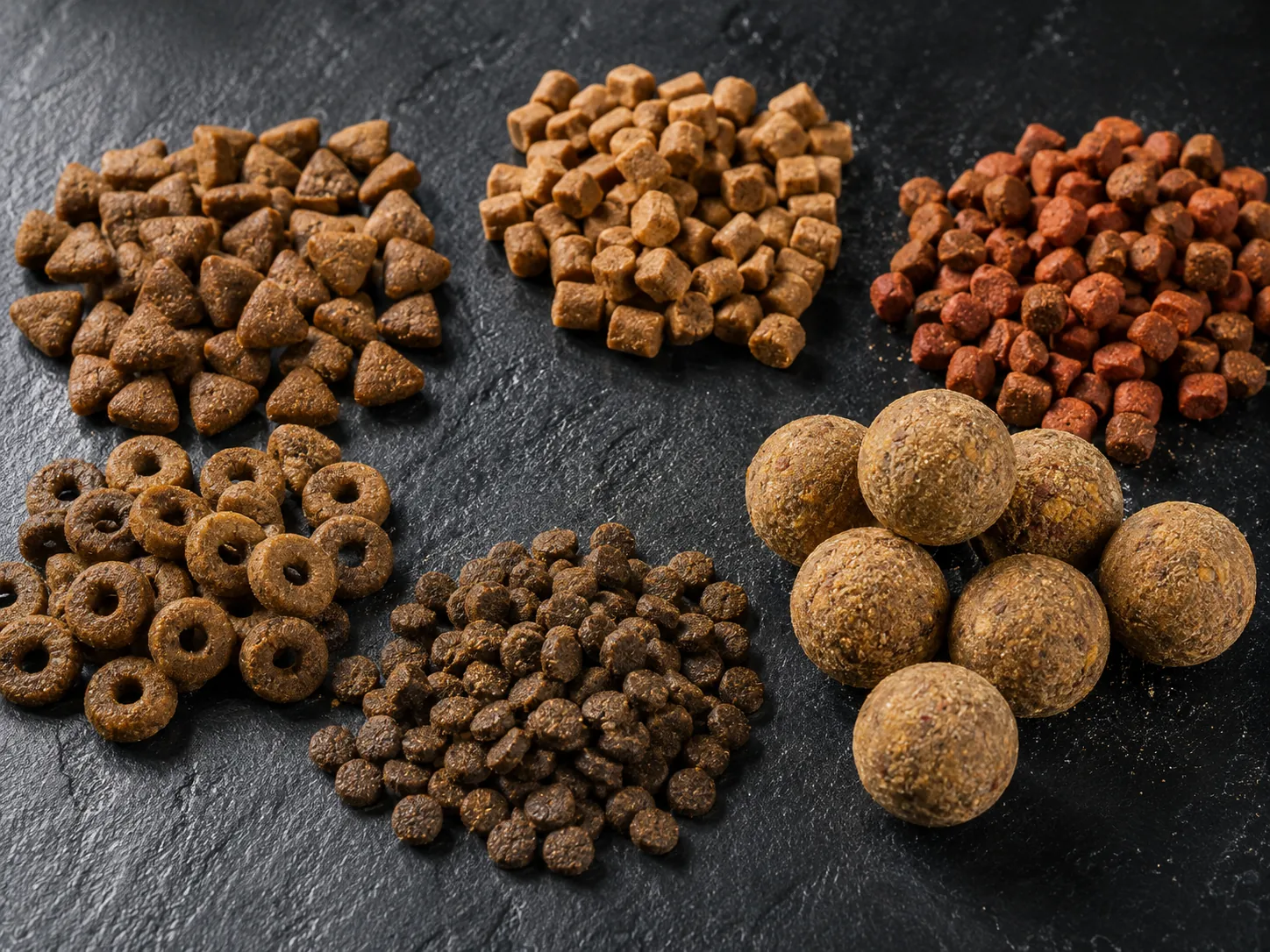
Potato flakes and potato granules for extruded pet food - dry kibble application

Why this route is worth testing

Pet Food Applications

Potato flakes, potato granules and potato starch for pet food can serve different roles as carbohydrate solids, binders or texture components, but suitability must be assessed against the specific nutritional formula, extrusion or cooking process and destination-market rules.

Compare ingredient functionality under the actual pet-food process rather than assuming a human food-grade ingredient automatically fits every pet-food application. Confirm formulation role, digestibility targets, labeling, regulatory requirements and storage stability before commercial approval.

What each potato ingredient contributes to the formulation

Start from the finished pet-food format and the problem you are trying to solve. Potato Flakes and Potato Granules are whole-potato ingredient routes; Native Potato Starch is a functional starch route. Pregelatinized or Modified Potato Starch should be considered only when rapid pre-cook hydration or additional process tolerance is genuinely required.

Potato Flakes

Best starting route when you need dehydrated potato solids, fast rehydration, potato flavor and body. Frequently evaluated for fabricated chips, instant mash, bakery, croquettes, snacks and prepared foods. For fried applications, reducing sugar and frying color deserve specific attention.

View product details →

Potato Granules

Best starting route when you need dehydrated potato solids with controlled rehydration, lower-stickiness direction, dense bulk handling and good dry-mix behavior. Especially relevant to instant mashed potatoes, foodservice, portioned dry mixes and selected prepared foods.

View product details →

Native Potato Starch

Best starting route for heated systems that need thickening, gelling, binding or moisture management without a modified starch. It generally requires sufficient heating to gelatinize and should be tested with the actual pH, solids and shear conditions.

View product details →

Pregelatinized Potato Flour

Best starting route when rapid hydration, cold- or warm-water dispersibility, instant thickening, water uptake or early-stage binding is needed before full heating. It is not automatically the best route for strong acid, retort or freeze-thaw stress.

View product details →

Modified Potato Starch

Best starting route when the process requires functionality beyond standard native starch, such as improved tolerance to specific heat, acid, shear, holding or freeze-thaw conditions. Select the exact grade by process requirements and sample validation.

View product details →

Choose the Potato Ingredient by the Job It Must Do

Start from the finished pet-food format and the problem you are trying to solve. Potato Flakes and Potato Granules are whole-potato ingredient routes; Native Potato Starch is a functional starch route. Pregelatinized or Modified Potato Starch should be considered only when rapid pre-cook hydration or additional process tolerance is genuinely required.

Dry Extruded Kibble

Compare Potato Granules, Potato Flakes and Native Potato Starch

Record dry-blend flow, preconditioning, moisture, extruder load, expansion or density, drying, fines, breakage and final texture. Do not approve an ingredient only from a bench-water test.

Baked or Extruded Treats

Start with Potato Flakes or Potato Granules when whole-potato solids matter

Evaluate dough handling, forming, moisture distribution, bake or extrusion behavior, break strength, surface condition and storage texture in the complete formula.

Wet / Semi-Moist Pet Food

Start with the appropriate potato starch route for binding or viscosity

Assess dispersion, cook development, water release, filling behavior, cooling, storage and reheating where relevant. Whole-potato solids should be added only when they serve a defined formula role.

Dry Premixes & Complementary Blends

Potato Granules can be useful where dense, free-flowing potato solids are required

Check bulk density, segregation, dosing, blending uniformity, caking, packaging fill and rehydration behavior if the finished product is later hydrated or cooked.

Formulas Built Around Potato Ingredients

Use exact ingredient identity — Potato Flakes, Potato Granules or Potato Starch

Confirm the intended nutritional and functional role, ingredient declaration, analytical targets and market requirements. Do not use the broad term “potato flour” when the commercial form matters.

What to measure in the trial

Food Grade Is a Starting Qualification — Not Automatic Pet-Food Approval

A human food-grade specification can support raw-material quality review, but the pet-food application still has to be qualified separately. The acceptable ingredient, inclusion level, declaration and claims depend on the complete formula, target species, manufacturing process, destination market and the customer’s own nutritional and regulatory framework.

Do not infer digestibility, nutritional adequacy, hypoallergenic performance, grain-free suitability or health benefits from a food-grade certificate alone. Those questions require the finished formulation, relevant analytical or feeding data, label review and market-specific compliance work.

  • Confirm target species and life-stage positioning
  • Define the ingredient’s nutritional and functional role
  • Review local pet-food ingredient and labeling rules
  • Verify finished-product analytical targets rather than assuming raw-material values transfer directly
  • Approve claims only when the finished product and evidence support them
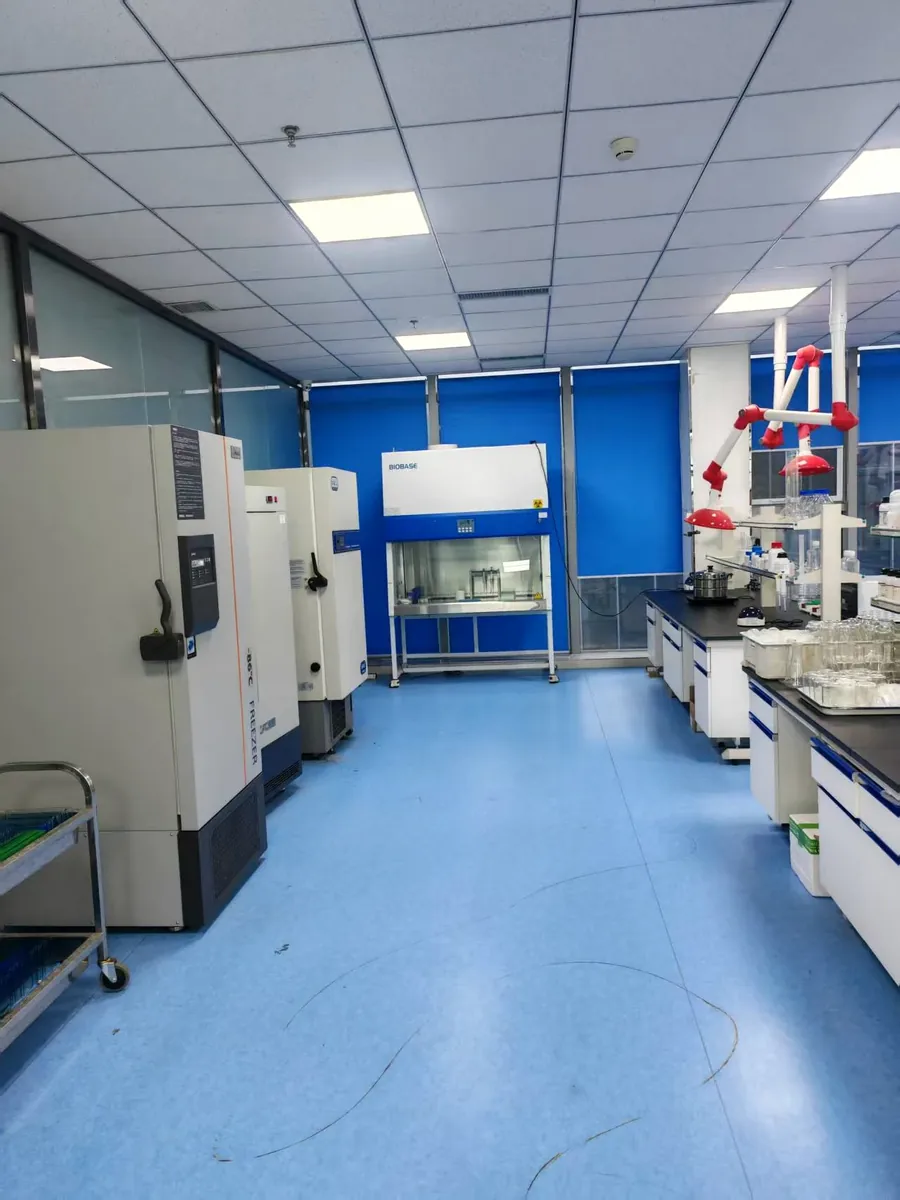
QA review of food-grade potato ingredients for pet food compliance at Junsheng

Six Process Variables That Can Change How a Potato Ingredient Performs

A potato ingredient that performs well in one pet-food line can behave differently in another. Keep the control formula and process conditions documented so supplier comparisons measure the ingredient rather than changes in water, shear, temperature or drying.

Dry-Blend Flow & Segregation

Particle size and bulk density affect conveying, hopper flow, dosing and segregation. Potato Granules are much denser than Potato Flakes, so recipe conversion and volumetric equipment should be reviewed by weight and actual feed behavior.

Water / Steam Addition

Total moisture and the point of water or steam addition influence hydration, starch gelatinization, extrusion load and final density. Record preconditioner water, steam, feed moisture and final dough or mash condition.

Shear & Thermal History

Mixer, preconditioner, extruder, cooker or baker conditions can change hydration and starch functionality. Record screw configuration or mixing intensity, temperature profile, residence time and pressure where applicable.

Expansion / Density / Structure

For extruded products, evaluate expansion or piece density together with cell structure, hardness, breakage and final texture. A larger piece is not automatically a better commercial result if it is fragile or inconsistent.

Drying & Cooling

Drying temperature, residence time and cooling affect final moisture, water activity, brittleness, fines and storage behavior. Compare candidates through the same post-processing route.

Fat / Palatant / Coating Step

Post-extrusion fat or palatant application can change surface handling, perceived texture and product acceptance. Keep coating conditions constant when comparing ingredient candidates.

Where Potato Flakes, Potato Granules and Potato Starch Fit in Pet Food

The three routes are related but not interchangeable. Use Potato Flakes or Potato Granules when whole-potato solids are part of the formula strategy; use Potato Starch when the primary job is starch functionality such as binding, structure or process behavior.

Potato Flakes

Food-grade Potato Flakes can provide dehydrated whole-potato solids, potato character, water absorption and body in selected kibble, treat or prepared pet-food formulas. Evaluate moisture balance, extrusion or baking behavior, piece strength and finished-product acceptance rather than assuming human-food use translates directly.

Potato Granules

Potato Granules provide dense, free-flowing dehydrated potato solids with controlled hydration and a lower-stickiness direction. They can be useful in dry blends, extruded systems or treat formulas where bulk handling and controlled hydration are important. Their approximately 580 g/L bulk-density reference is very different from flakes.

Native Potato Starch

Native Potato Starch is a functional starch option for heated systems that need binding, structure or gelatinization. Its performance depends on moisture, temperature, shear and the complete protein/fat/mineral system, so approve it in the actual pet-food process.

Pregelatinized / Modified Routes

Use Pregelatinized Potato Flour when rapid pre-cook hydration or early binding is required. Evaluate Modified Potato Starch only when the process truly needs additional tolerance to specific heat, shear, holding or storage conditions. Select the exact commercial grade by trial.

Extruded Potato Snacks

Potato Ingredients for Extruded Pet Food: Test the Whole Process Window

For extruded kibble and treats, the ingredient is only one part of the system. Formula solids, preconditioning, total moisture, specific mechanical energy, barrel temperature, die restriction, throughput and drying all interact with potato solids and starch functionality.

When comparing a bulk Potato Flakes supplier, Potato Granules supplier or Potato Starch supplier for pet food, run the candidate against the same control formula and equipment settings. Record process load and finished-piece quality together; a formula that looks acceptable at the mixer can still create feed instability, excessive torque, poor expansion, fragile pieces or high fines downstream.

  • Dry-blend flow and feeder stability
  • Preconditioner moisture and steam addition
  • Extruder torque / motor load or comparable process load
  • Product temperature and die pressure where available
  • Piece density / expansion and cell structure
  • Hardness, break strength and fines
  • Drying loss, final moisture and water activity
  • Coating pickup and finished-product storage behavior
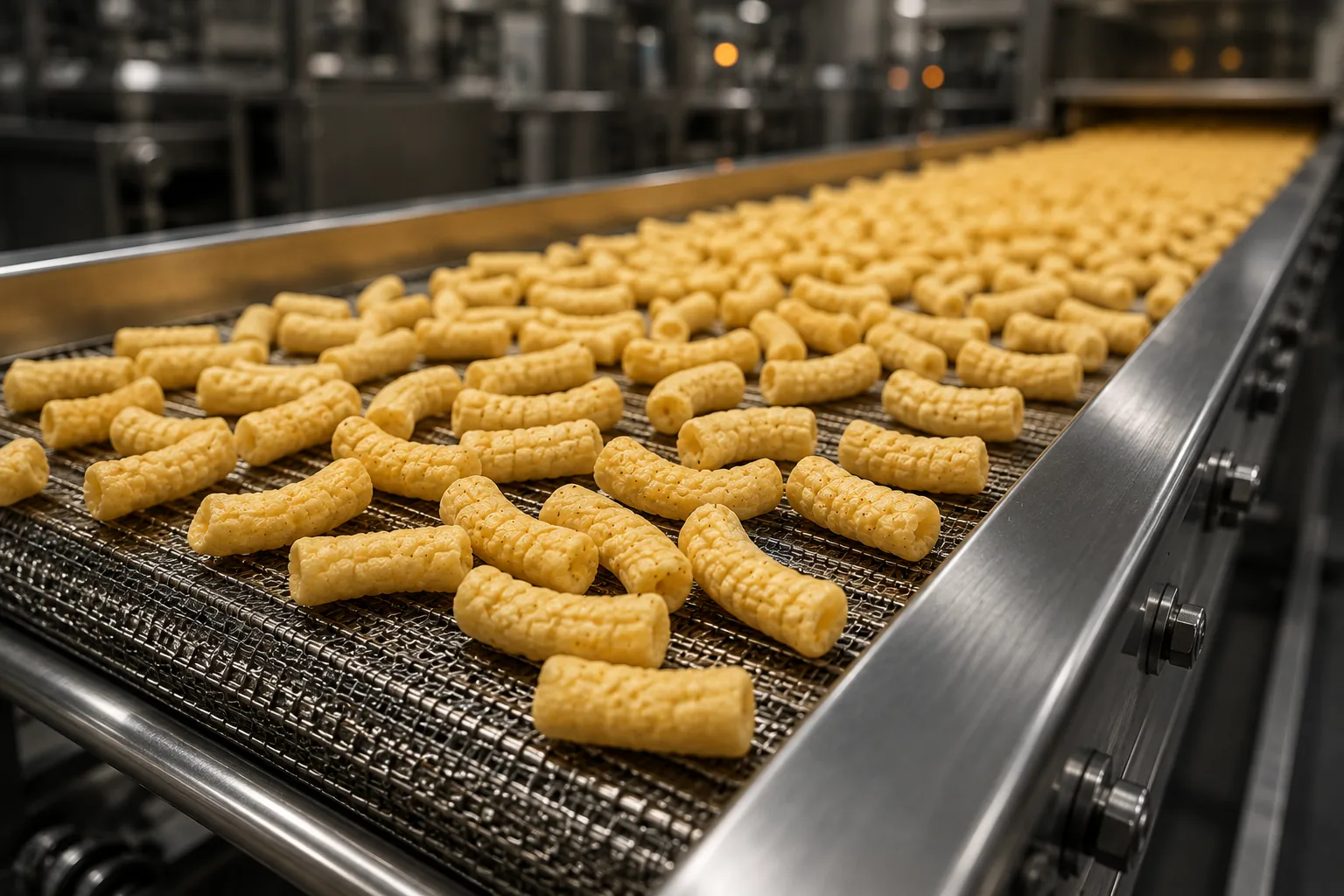
Extruded pet food production with potato ingredients on an industrial line

Six-Step Supplier Trial for Potato Ingredients in Pet Food

Use a representative manufacturing trial instead of approving an ingredient from appearance or a simple water test. Keep the control formula and process fixed, then document the ingredient’s effect from raw-material handling through finished-product storage.

01 — Define Formula Role

State whether the potato ingredient is intended as whole-potato solids, functional carbohydrate, binder, starch source, texture component or dry-blend component. Also record target species, product format and destination market.

02 — Lock the Control Formula

Keep the same protein, fat, fiber, minerals, moisture, palatants and other major ingredients. Change one meaningful potato-ingredient variable at a time.

03 — Standardize Processing

Use the same mixer, preconditioner, extruder or oven settings, throughput, water or steam addition and residence time. Record any process-load changes created by the candidate.

04 — Measure Finished Structure

Compare density, dimensions, hardness, breakage, fines, internal structure, surface condition and coating behavior using the same sampling method.

05 — Verify Storage & Acceptance

Measure final moisture or water activity as required, observe package stability and perform the customer’s normal acceptance or palatability procedure. Do not infer palatability from ingredient name alone.

06 — Lock Commercial Specification

After the process trial passes, confirm exact grade, TDS, agreed test methods, packaging, COA items, traceability, MOQ and change-control requirements for repeat supply.

OEM / ODM application development: customize the ingredient around your process

For OEM or ODM pet-food ingredient projects, start from measurable process and finished-product targets rather than broad claims. Depending on technical feasibility, discuss particle profile, bulk-density direction, hydration, binding or starch functionality, packaging, multilingual labels and private-label requirements. Any nutrition or label claim belongs to the finished pet-food formula and its supporting evidence, not to a generic raw-material promise.

Product Attribute Targets

Depending on the product family, discuss particle profile, bulk density, reducing sugar direction, hydration, free starch, viscosity, water retention, binding or other measurable attributes that are relevant to the finished product.

Application-Led Grade Development

Share a benchmark product, current supplier specification or target process result. The technical discussion can then shortlist a suitable grade and define what must be demonstrated in the sample or pilot trial.

Packaging & Private Label

After the product specification is approved, discuss bag weight, bag material, multilingual labels, private label, barcode / QR, outer marks, palletization and container-loading requirements.

Scale-Up & Batch Control

A successful lab sample is not the end of qualification. Confirm scale-up behavior, the first commercial batch, retained samples, agreed COA items and the change-control process for repeat orders.

Use samples, TDS and COA as one qualification package

Supplier qualification should connect the exact commercial ingredient to its current TDS, batch COA, ingredient identity, available certifications, traceability and any market-specific documentation required by the buyer. For pet food, also confirm that the ingredient declaration and intended use fit the destination market and the customer’s formulation policy.

Sample

Use a representative sample in the real or representative process. Record formulation, equipment settings, test conditions and finished-product results so the trial can be repeated.

TDS

Use the Technical Data Sheet to understand the intended grade, specification framework, relevant analytical limits, storage and packaging. Confirm that the TDS refers to the exact commercial grade being offered.

COA

Use the Certificate of Analysis to verify the actual shipment batch against agreed tests and limits. The COA should support—not replace—the signed commercial specification.

Certification & Compliance

Check certificate scope, site, validity, ingredient statement and destination-market requirements rather than relying only on certification logos displayed on a website.

Why this route is worth testing

Compare Pet-Food Potato Ingredient Suppliers by Process Consistency, Not Price per Ton Alone

A cheaper ingredient can increase total cost if it creates feed instability, higher fines, inconsistent density, extra drying, breakage, rework or label/compliance issues. Compare the candidate in the same formula and process, then evaluate usable finished output, repeatability and documentation quality.

  • Exact commercial grade and ingredient identity
  • Current TDS and agreed analytical methods
  • Moisture, particle profile and bulk density as relevant
  • Dry-blend flow / feeder consistency
  • Extrusion or cooking behavior under the same process
  • Finished density, hardness, breakage and fines
  • Final moisture / water activity and storage behavior
  • Batch COA and traceability
  • Destination-market ingredient / labeling review
  • MOQ, lead time, packaging and shipping terms

Pet Food Buyer Questions

Can food-grade Potato Flakes be used in pet food?

They can be evaluated in selected pet-food formulations, but food grade alone does not establish automatic suitability. Confirm the formulation role, target species, process, label declaration, analytical requirements and destination-market rules before commercial approval.

What is the difference between Potato Flakes and Potato Granules in pet-food processing?

Potato Flakes are lower-density whole-potato solids that generally hydrate faster and can add body, while Potato Granules are denser, free-flowing solids with more controlled hydration and lower-stickiness direction. Compare them under the real dry-blend, extrusion or cooking process rather than substituting 1:1.

When should Native Potato Starch be tested in pet food?

Use Native Potato Starch as a functional starch route when the heated process needs binding, structure or gelatinization. Verify performance under the actual moisture, temperature, shear and complete formula because starch behavior changes with the surrounding protein, fat and mineral system.

Can Potato Flakes or Potato Granules replace potato starch directly?

No. Flakes and granules are dehydrated whole-potato ingredients, while potato starch is selected mainly for starch functionality. They can coexist in one formula, but the roles and inclusion levels must be designed separately.

What should I provide when requesting a pet-food ingredient sample?

Provide the product format, target species, formula role, current benchmark ingredient, expected inclusion range if already defined, process type, moisture addition, extrusion or cooking conditions, target density or texture, packaging and destination market. This allows a more relevant sample route.

Can you support OEM or ODM potato ingredients for pet food?

Technical customization can be discussed within feasible production limits, including particle profile, bulk-density direction, hydration or functional targets and packaging. Final values require a controlled sample trial, agreed test methods, MOQ review and a signed specification. Finished-product nutrition and label claims remain the customer’s formulation and compliance responsibility.

RFQ · Samples · TDS · COA

Build the Potato Ingredient Trial Around Your Pet-Food Process

Tell us the pet-food format, target species, formula role, dry-blend or extrusion process, water / steam addition, target texture or density, packaging and destination market. We can help shortlist Potato Flakes, Potato Granules or Potato Starch for a controlled trial and provide the relevant TDS / COA route for supplier qualification.