
Stable Feeding & Dry Blend Flow
Fine powders, flakes and granules differ in bulk density and flow. If the blend segregates, bridges or feeds unevenly, extruder moisture and torque can fluctuate even when the recipe on paper has not changed.
Application Solution · Extruded Potato Snacks
If you manufacture extruded potato snacks, pellets, expanded shapes or potato-based savory products, ingredient selection should be tied to feed stability, water demand, extruder load, expansion, cell structure and finished texture. Potato Flakes, Potato Granules and Native Potato Starch can play different roles, so the right starting formula depends on your equipment and target product rather than one universal inclusion rate.
Use this page to build a practical trial plan for potato flakes for extruded snacks, potato granules for extruded snacks and potato starch for extrusion. Share your dry blend, total moisture, extruder type, screw configuration, temperature profile, die, drying or frying step and target texture so candidate ingredients can be compared under meaningful conditions.
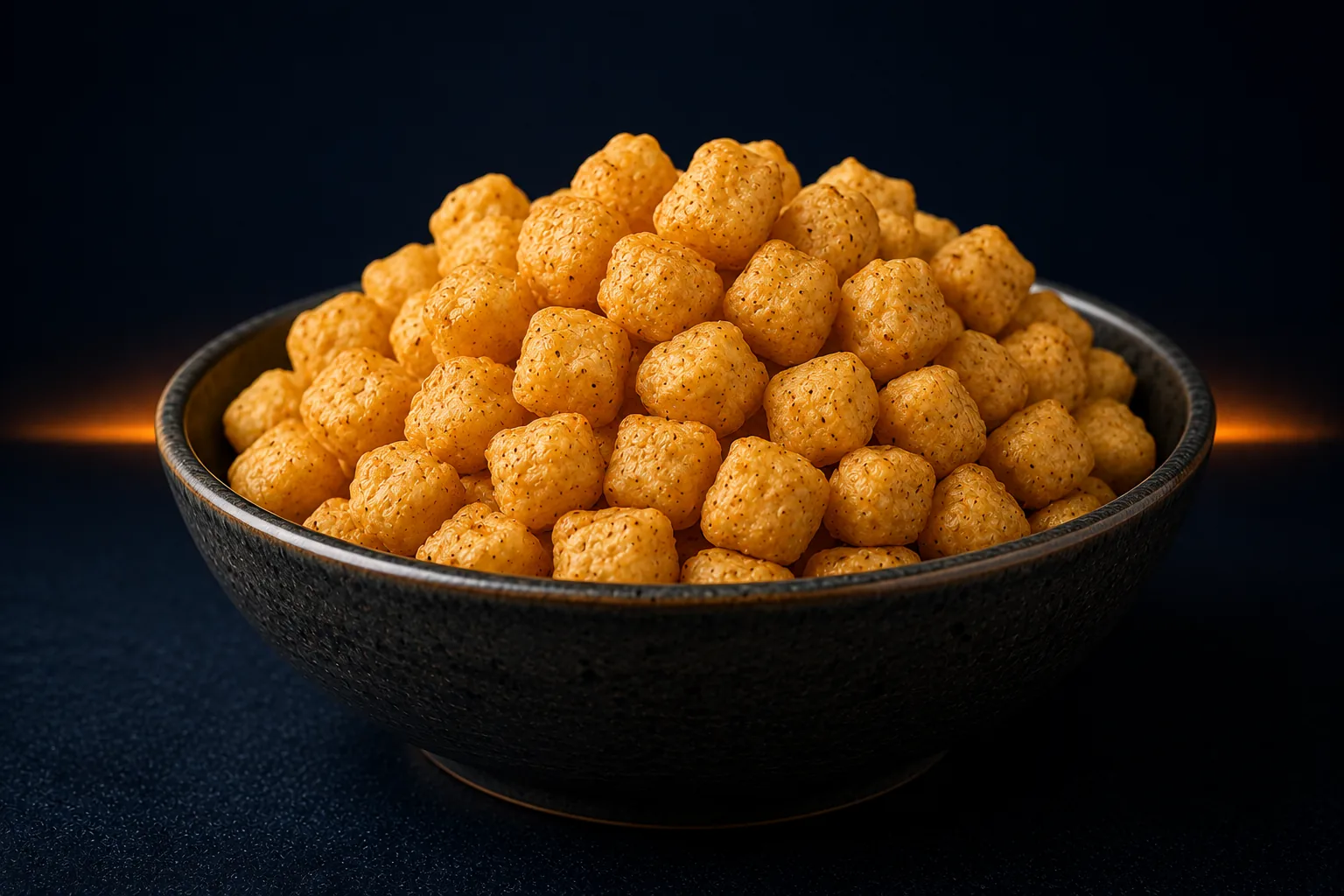
A good extruded snack raw-material decision begins with the processing problem, not with a product name. Define what must stay stable on your line and what the consumer should feel in the finished snack.
Fine powders, flakes and granules differ in bulk density and flow. If the blend segregates, bridges or feeds unevenly, extruder moisture and torque can fluctuate even when the recipe on paper has not changed.
Expansion depends on total starch system, moisture, thermal and mechanical energy, die conditions and potato solids. Compare diameter or sectional expansion together with cell uniformity, density and collapse after cooling.
A snack can be highly expanded but still feel too hard, too fragile or too glassy. Define the target bite, fracture, crispness and breakage level before selecting the potato ingredient system.
Surface structure after extrusion, drying or frying affects oil and seasoning adhesion. Evaluate pickup, dust loss and eating quality together because stronger adhesion is not useful if the finished snack becomes greasy or overly salty.
Potato Flakes and Potato Granules are the core dehydrated whole-potato ingredients on this website, while Native Potato Starch contributes a more concentrated starch function. They may be used separately or in a formulated system depending on the snack and process.
Best starting route when you need dehydrated potato solids, fast rehydration, potato flavor and body. Frequently evaluated for fabricated chips, instant mash, bakery, croquettes, snacks and prepared foods. For fried applications, reducing sugar and frying color deserve specific attention.
View product details →Best starting route when you need dehydrated potato solids with controlled rehydration, lower-stickiness direction, dense bulk handling and good dry-mix behavior. Especially relevant to instant mashed potatoes, foodservice, portioned dry mixes and selected prepared foods.
View product details →Best starting route for heated systems that need thickening, gelling, binding or moisture management without a modified starch. It generally requires sufficient heating to gelatinize and should be tested with the actual pH, solids and shear conditions.
View product details →Before comparing suppliers, write down the same operating window for every sample. This prevents a change in water, feed rate or barrel settings from being mistaken for an ingredient effect.
Potato Flakes + Potato Granules
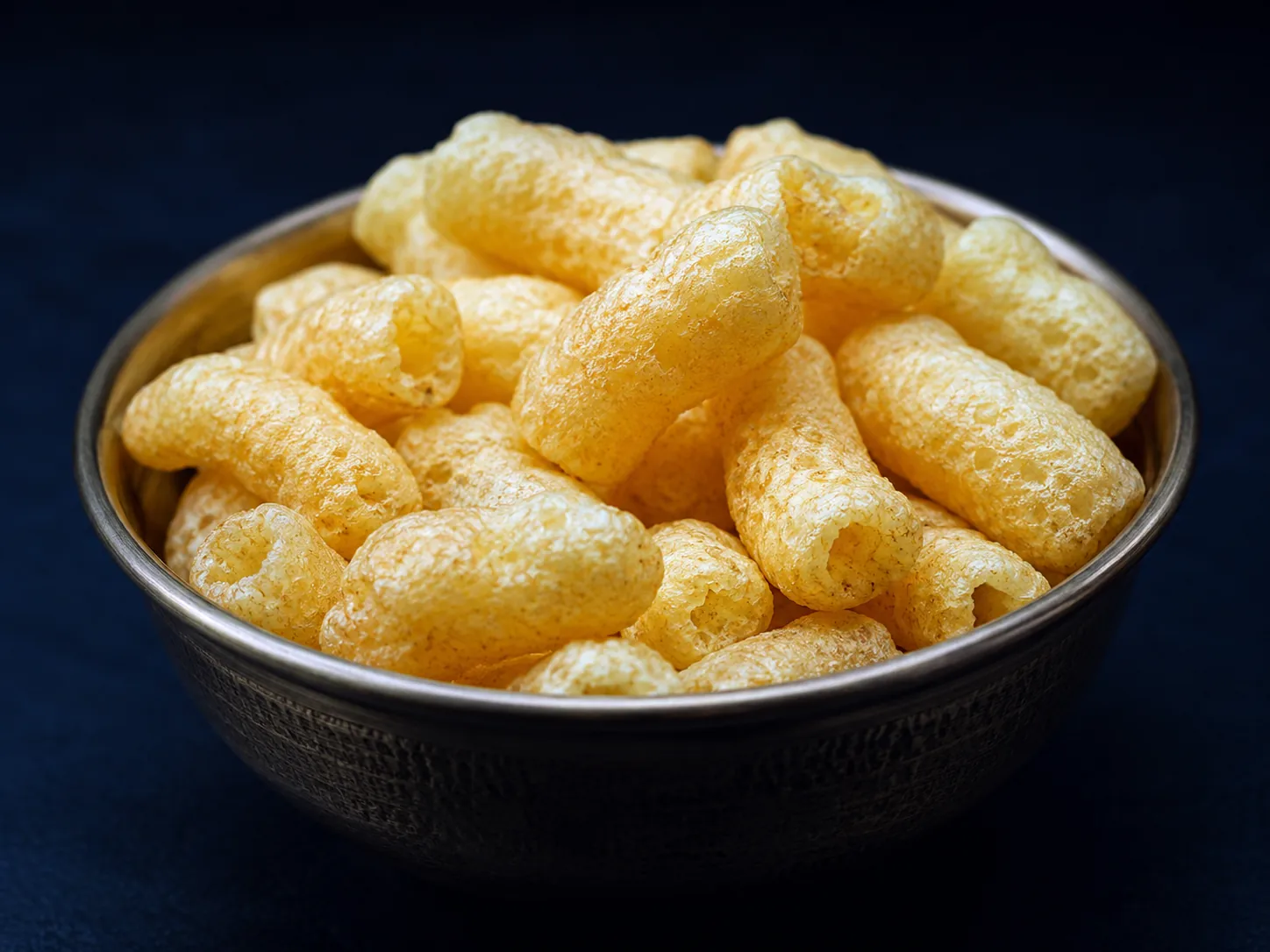
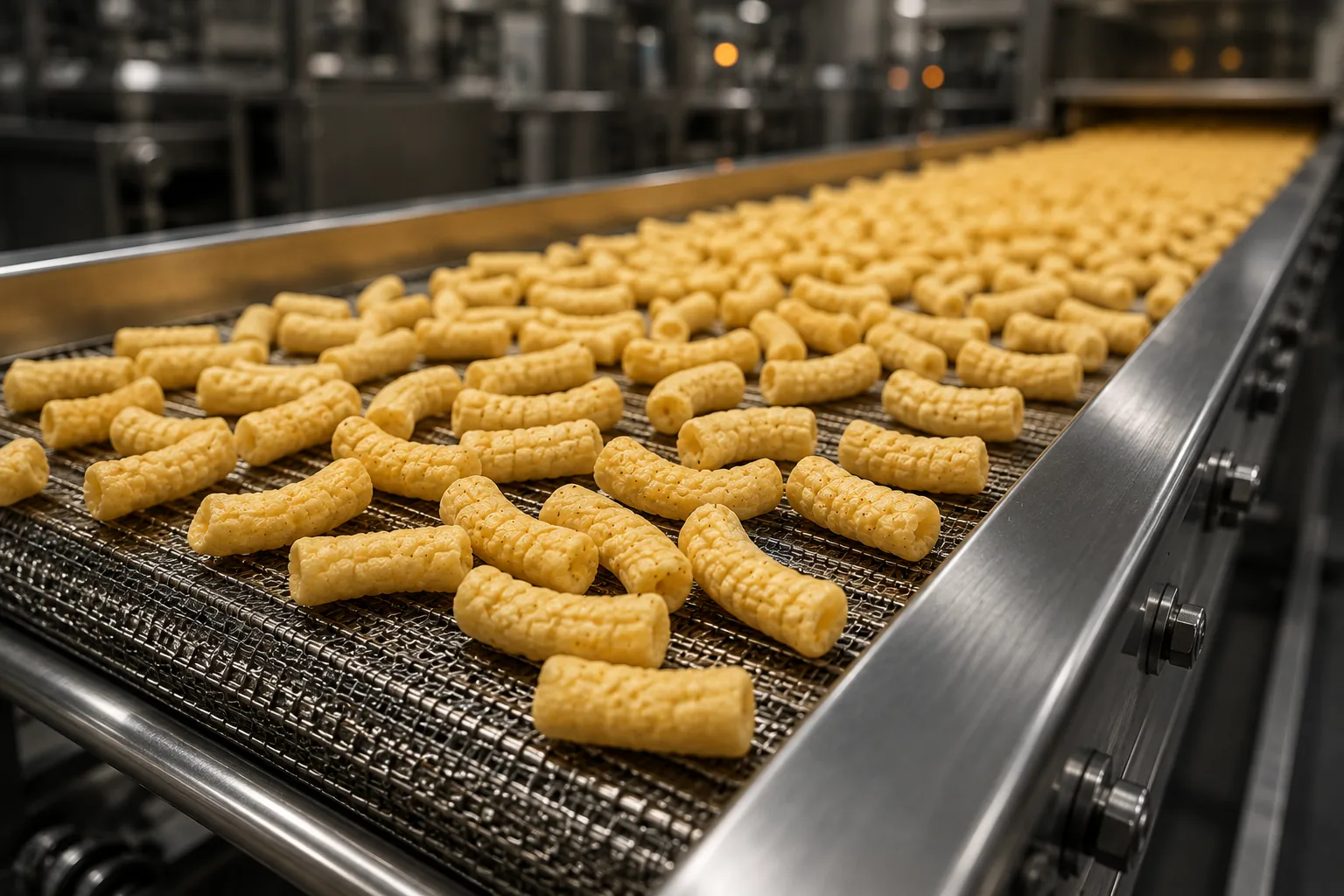
Potato Flakes for extruded snacks can provide recognizable potato solids, flavor and rapid hydration. Potato Granules can provide the same potato category relevance with denser dry handling and more controlled hydration. The best choice depends on the extruder, water strategy and target texture.
Do not assume the ingredient with the highest potato content will automatically give the best expansion. More potato solids can change melt viscosity, water distribution and mechanical energy. Compare the complete system against a control formula and keep operating conditions documented.
Potato Flakes and Potato Granules can also be blended when the formulation needs a balance between potato body, dry-flow behavior and hydration. Use staged blend ratios rather than copying a ratio from another extruder, because screw design, die geometry and throughput can change the result substantially.
Native Potato Starch
Native Potato Starch can support expansion, binding and crisp texture, but its effect depends on the total starch system and extrusion conditions. It should be treated as a functional formulation component, not as a direct replacement for Potato Flakes or Potato Granules.
If the process needs a different stability profile, rapid prehydration or other specific functionality, Modified Potato Starch or Pregelatinized Potato Flour may also be evaluated. The correct route should be selected from actual process stress and target texture rather than adding another starch by default.
Use the same sequence for the approved control and every candidate sample. Record process readings as well as finished-product results so you can identify whether the ingredient improved the line or merely shifted the operating window.
Confirm formula, ingredient lot, particle distribution and blend order. Watch for segregation between low-density flakes, denser granules and fine starch.
Set a stable mass feed and document water addition. A small moisture change can alter torque, pressure and expansion, so do not adjust water without recording it.
Record barrel temperature profile, screw speed, torque, motor load, pressure and throughput. Note surging or unstable discharge instead of judging only the final snack.
Check strand or piece shape, surface, cut consistency and immediate expansion. Die geometry and cutter settings must remain constant during supplier comparisons.
Use the same post-extrusion drying or frying condition. Record final moisture, color, oil pickup and any collapse or deformation after cooling.
Evaluate seasoning adhesion, breakage, bulk density and texture after packing. A line trial is incomplete if the product is only judged directly at the die.
These ingredients are not interchangeable at 1:1. Use the table as a starting point, then confirm the system on your own extruder.
A useful sample is not the one that looks best in a laboratory cup. It is the one tested against your current approved control under the same extruder settings and with enough records to explain the result.
Record the current formula, ingredient lots, feed rate, water addition, screw speed, temperatures, torque, die and post-processing before introducing a new potato ingredient.
Test one candidate ingredient or one blend ratio at a time. If water, throughput and screw settings all change together, the trial will not show what caused the improvement.
Retain control and candidate pieces after drying, frying and seasoning. Compare texture, density, flavor and breakage after cooling and, where relevant, after storage.
When a standard grade does not fit your extruder or target snack, we can discuss technically feasible product and packaging adjustments. Final values require sample validation, agreed test methods, MOQ review and a signed specification.
Discuss Potato Flakes or Potato Granules particle direction when feed behavior, hydration or surface texture needs adjustment.
Where technically feasible, evaluate bulk-density and flow direction together with feeder performance and blend segregation rather than as an isolated number.
Define the desired water demand, stickiness, dough or melt behavior and finished texture so the candidate grade can be screened against measurable targets.
Discuss bag weight, multilingual label, private label, barcode or QR, palletization, shipping marks and container requirements for commercial supply.
A successful pilot run is only useful if later batches are controlled against the agreed commercial grade. Use the TDS, signed specification and batch COA together with your own critical extrusion checkpoints.
Review the commercial grade, specification framework, packaging, storage and relevant analytical limits before approving the ingredient.
Confirm the agreed batch-level tests for commercial shipments and compare them with the specification used during qualification.
Keep the formula, line settings, process readings and finished-product score from the approved trial so future deviations can be investigated.
Confirm lot traceability, ingredient statement, available certifications and destination-market requirements as part of supplier approval.
Why this route is worth testing
Price per metric ton is only one part of the decision. A cheaper ingredient can cost more if it causes unstable feeding, narrower operating windows, lower expansion, more breakage or additional process adjustments.
Compare suppliers using the same formula and line protocol. Include ingredient consistency, technical response, document quality, lead time and your own finished-product yield when making the commercial decision.
Yes, Potato Flakes are commonly worth testing when the formulation needs whole-potato solids, potato flavor and rapid hydration. Their final effect on feed, torque, expansion and texture depends on the complete recipe and extrusion conditions, so qualification should be done on the actual line or a representative pilot extruder.
Potato Granules are useful to compare when the dry blend needs denser handling, controlled hydration or a lower-stickiness direction. They are not a universal replacement for Potato Flakes, and the same weight can occupy a very different volume because bulk density is different.
Native Potato Starch can contribute starch functionality related to binding, expansion and crisp texture. The result depends on moisture, heat, shear and the other starches in the system, so it should be optimized as part of the total formulation rather than evaluated alone.
Possible causes include ingredient moisture, particle profile, free starch, bulk density, feed behavior and water demand. The apparent ingredient effect can also come from an unrecorded change in feed rate, total moisture, screw load, temperature or die condition.
Yes, they can be evaluated together when you want to balance potato body, dry-flow behavior and hydration. Use staged blend ratios under the same operating protocol because a ratio that works on one extruder may not transfer directly to another.
Provide the target product, current dry formula, potato ingredient percentage if known, total moisture, extruder type, screw configuration if available, throughput, temperature profile, die, post-drying or frying step and the main problem you want to solve.
OEM or ODM discussion can cover technically feasible particle profile, bulk-density direction, hydration or other functional targets together with packaging. Final values must be validated by sample trials and fixed in the agreed commercial specification.
Request the current TDS, agreed specification, batch COA route, ingredient information, available certifications and traceability details. Keep your approved extrusion trial record so incoming batches can be compared with the same process checkpoints.
RFQ · Samples · TDS · COA
Send us your target snack, dry formula, moisture strategy, extruder conditions, desired expansion and texture, trial quantity and destination. We can help you shortlist Potato Flakes, Potato Granules and potato starch routes for a controlled evaluation.